Valentine’s Week is no longer just about love and romance. It has evolved into one of the most profitable seasonal marketing windows for brands. Across India, brands treat February as a strategic opportunity to influence young consumers. They design emotional occasions that naturally lead to higher spending decisions.
In 2025, India’s Valentine’s Week sales reached nearly ₹25,000 crore. This number reflects that growing power of manufactured emotional marketing. From gifting platforms to quick commerce apps, everyone sees a spike in youth spending. These moments are not organic celebrations; they are designed to convert emotion into revenue.
The Valentine’s Week Spending Funnel
Each day in Valentine’s Week plays a specific role in the brand marketing journey. Rose Day creates the first emotional purchase trigger for youth. It encourages affordable symbolic gifting that feels socially necessary. Chocolate Day shifts spending toward indulgence and food based emotional rewards. This increases order volumes on food delivery and quick commerce platforms.
Teddy Day introduces lifestyle gifting, encouraging higher value purchases than previous days. Promise Day strengthens emotional intensity and perceived commitment between young couples. By the time Valentine’s Day arrives, brands have already conditioned consumers to spend. The final day becomes the most profitable stage of this structured emotional funnel.
This is not random behaviour. It is a deliberate upselling strategy crafted through emotional sequencing.
Why Young Consumers Respond So Strongly
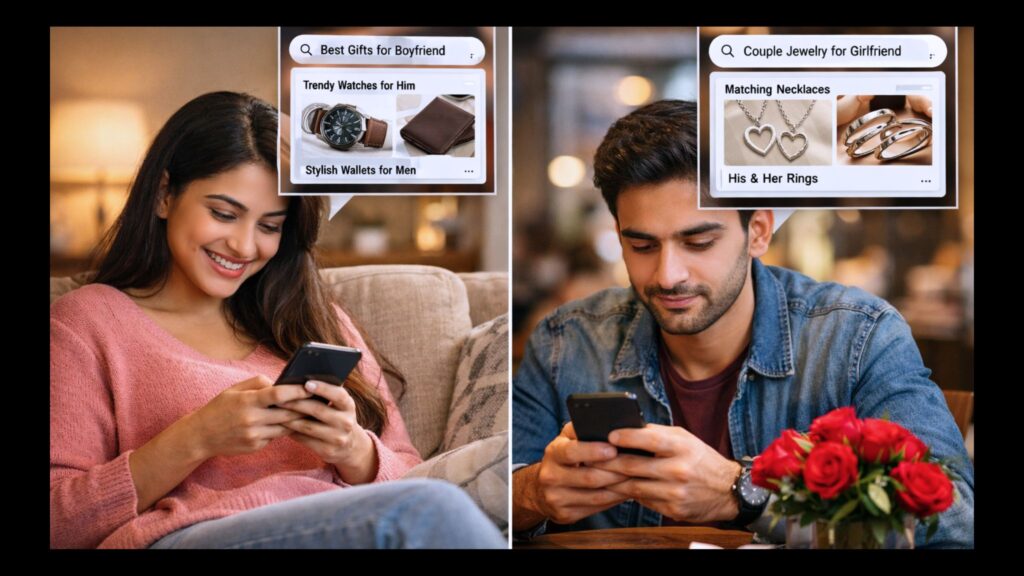
Modern youth spending is driven less by need and more by emotional validation. Young buyers want gifts and celebration to reflect identity, relevance, and belonging. In India Valentine’s Week has grown into a full week of commercial rituals. E-commerce data shows over 10 million orders placed online during Valentine’s Week. Social media amplifies emotional triggers through constant comparison and peer visibility. Posts, stories, reels, and curated moments raise expectations for the perfect celebration. Research confirms digital emotional cues influence consumer decisions more than price.
Young consumers willingly pay for visibility, not just value. A rose isn’t just a flower, it becomes emotional artefacts worth posting online. This aligns with broader human psychology linking visibility with social status. The psychological mechanism here is deeply strategic, not accidental. Marketers design emotional escalation to build a spending ladder every year. The first small purchase builds psychological commitment, lowering resistance for bigger buys.
When consumers invest emotionally early, they feel compelled to continue spending. This is the core of the sunk-cost effect, where small starts lead to big commitments. Youth are influenced by aspirational messaging from brands and creators. Context matters too, youth often equate love with social acknowledgement. Shared experiences and gifts in group settings reinforce belonging. Even non romantic variations like Galentine’s and self love celebrations emerge. This widens the market beyond traditional couples into broader lifestyle engagement.
Emotional narratives tap into peer pressure and social comparison. When friends share their celebrations online, others feel pressure to match up. This dynamic moves spending from personal choice to social expectation. Youth spending during Valentine’s Week is marketing constructed, not purposeless. Brands use emotional escalation, social visibility, digital influence, and peer comparison. This creates an emotional buying journey, not a series of isolated purchases. Each step nudges youth toward higher value engagement and spending commitment.
Quick Commerce Drives the Valentine’s Funnel
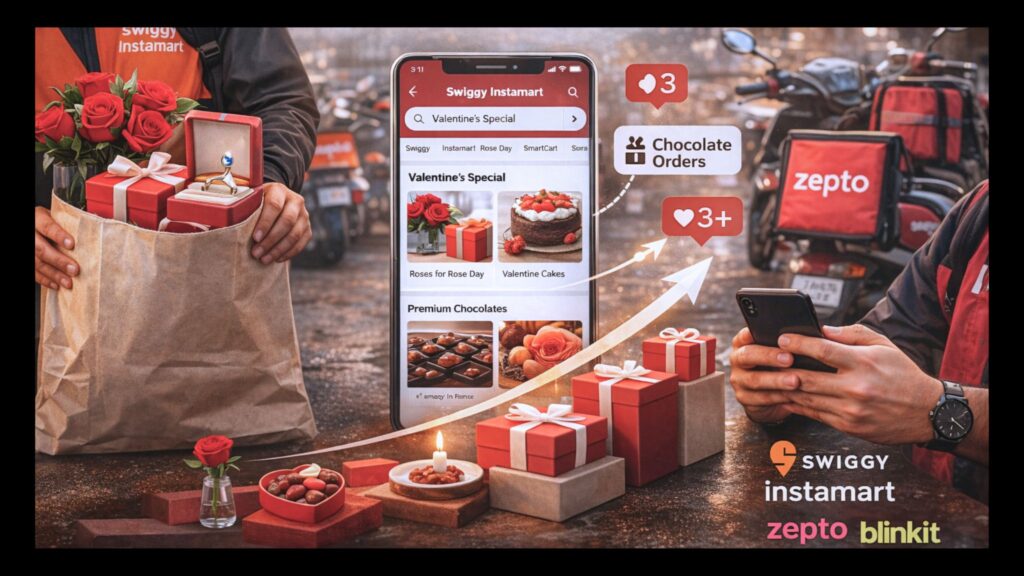
Quick commerce platforms are central to Valentine’s Week spending success. Swiggy Instamart sells hundreds of roses every minute during Rose Day. Zepto and Blinkit report over three times higher chocolate orders that week. These platforms convert emotional demand into instant, measurable transactions. Convenience is the catalyst for youth spending, while brands capture predictable revenue.
How Leading Brands Perfect the Strategy
- Cadbury Silk positions chocolates as symbols of affection, not mere confectionery.
- Nykaa curates Valentine’s gift bundles combining beauty, skincare, and self love themes.
- Tanishq and Mia launch couple oriented jewellery collections, linking romance with aspirational storytelling.
- Ferns N Petals’ “#PyaarAisaKaro” campaign encouraged meaningful gifting in partnership with 165+ brands.
- Zepto’s “Gifts for Every Love Story” campaign highlighted diverse relationships and gift options.
- Swiggy’s “Food Is Love” campaign offered curated meal deals for couples, singles, and groups.
- Myntra’s “Fashionable Together” drives curated couple fashion looks and influencer activations.
These brands don’t just sell products, they sell relevance, participation, and belonging. This demonstrates how manufactured moments translate into predictable business growth
Gujarat’s Own Valentine’s Campaign Success Stories
In Gujarat, brands are not just passive observers of Valentine’s Week, they are active storytellers. Havmor Ice Cream’s #BeMyHeartbeat campaign turned the season into a multi-city celebration. Between February 8 and 14, Havmor executed engaging activations across Ahmedabad, Baroda, Surat, Rajkot, and Gandhinagar, blending product launches with on-ground pop-ups, mall installations, and experiential moments. Its limited-edition Heart Beat Red Velvet Ice Cream Cake became both a social photo moment and a consumer favourite, while the Ahmedabad Riverfront cruise for couples anchored the campaign in emotional experience.
From Culture to Commerce
Manufactured moments replace traditional festivals in shaping youth spending behaviour. Brands now create occasions to ensure consistent seasonal engagement and sales. Instead of waiting for Diwali or Navratri, they engineer culturally relevant events. Valentine’s Week proves how emotional marketing becomes a repeatable, data driven growth engine.
Youth spending becomes measurable, scalable, and predictable. Brands convert emotion into a structured consumer journey, reinforcing loyalty and relevance.
Conclusion
Valentine’s Week shows how brands convert emotions into measurable spending behaviour. From Rose Day to Valentine’s Day, each occasion functions as a conversion step. Youth progress from small symbolic gifts to premium experiences and lifestyles purchases. Quick commerce platforms, influencers campaigns, and social media amplify this behavior. Success lies in selling participation, identity, and social validation, not just products. Manufactured moments are the blueprint for future youth driven marketing.
For more such marketing insights on brands shaping Gujarat’s consumer culture, explore Gujpreneur.