Gujarat has always celebrated festivals in a way that feels both deeply personal and collectively visible. Streets change character, routines shift, and familiar spaces begin to carry a different energy. Maha Shivratri in Gujarat is one such occasion where faith quietly transforms the social and cultural landscape of the state. It is not only a night of worship dedicated to Lord Shiva, but also a moment when temples, travel, and local communities come alive in a distinctive way.
Unlike many festivals centered on daytime rituals, Maha Shivratri unfolds primarily after sunset. Devotees observe fasts, visit temples, and remain awake through the night. The atmosphere feels calm yet vibrant. There is no loud spectacle, yet the scale of participation is unmistakable. From major pilgrimage centers to neighborhood shrines, the night carries a steady flow of movement and devotion.
Temples at the Heart of the Celebration
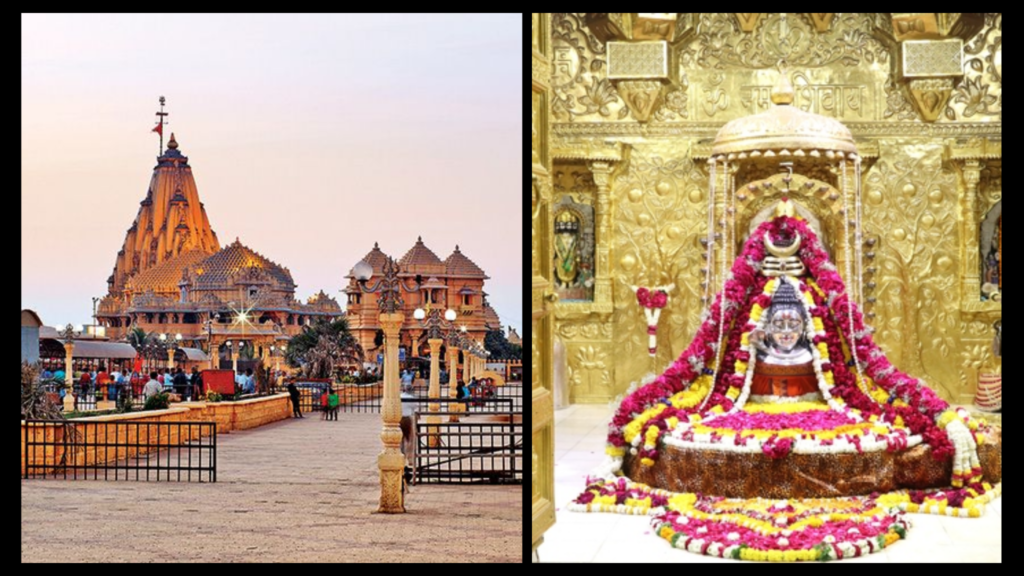
The most striking expression of Maha Shivratri can be seen in its temples. Somnath, one of the twelve Jyotirlingas, becomes a focal point of spiritual attention. The temple’s coastal setting already offers a sense of grandeur, yet during Maha Shivratri, the experience feels even more immersive. Long queues of devotees, rhythmic chants, and the continuous ringing of bells create an atmosphere that is both intense and serene.
The visual appeal of Somnath during the festival is difficult to overlook. Illuminated pathways, decorated sanctum spaces, and the quiet discipline of waiting pilgrims together shape a scene that feels timeless. Visitors often describe the experience as more than a religious visit. It becomes a moment of reflection, patience, and shared belief.
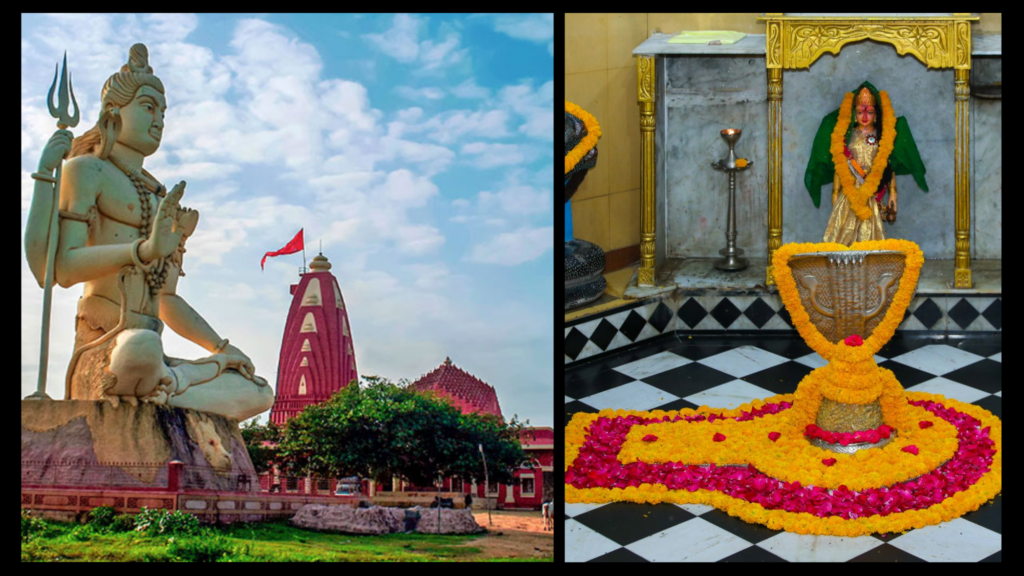
Nageshwar Jyotirlinga near Dwarka draws a similar sense of reverence. Surrounded by an open landscape, the temple attracts devotees traveling from across Gujarat and beyond. Urban temples in Ahmedabad, Vadodara, and Rajkot also witness significant gatherings. Despite differences in scale, the emotional tone remains consistent. Devotion takes precedence over display.
The Beauty of the Temple Experience
Maha Shivratri offers a unique opportunity to observe Gujarat’s temple culture in its most active form. Temples remain open late into the night, allowing devotees to participate in rituals that unfold gradually rather than hurriedly. The fragrance of incense, the glow of diyas, and the soft murmur of prayers create an environment that feels deeply rooted in tradition.
Architecture too plays an important role in shaping the experience. Gujarat’s Shiva temples, whether ancient stone structures or modern complexes, reveal a blend of artistic detail and spiritual purpose. Carvings, pillars, and sanctum layouts become more noticeable when seen through the lens of festival participation. The physical space of the temple becomes inseparable from the emotional energy of the night.
For many visitors, Maha Shivratri becomes a time for temple journeys rather than single visits. Families often travel between multiple shrines, combining worship with travel and shared time. This movement naturally adds to the sense of a statewide celebration.
The Mahashivratri Mela
The Mahashivratri Mela, popularly known as the Girnar Maha Shivratri Mela, is one of Gujarat’s oldest and most sacred festivals dedicated to Lord Shiva. It is held every year at the Bhavnath Mahadev Temple at the foothills of Mount Girnar near Junagadh, usually in February or March, and lasts for about five days.
Thousands of devotees, saints, and visitors gather to celebrate, especially on the holy night of Maha Shivratri, which is believed to be spiritually powerful. A major attraction is the grand arrival of Naga Sadhus, who take ritual baths at Mrigi Kund before offering prayers at the temple. The midnight Mahapuja is the most important ceremony of the event.
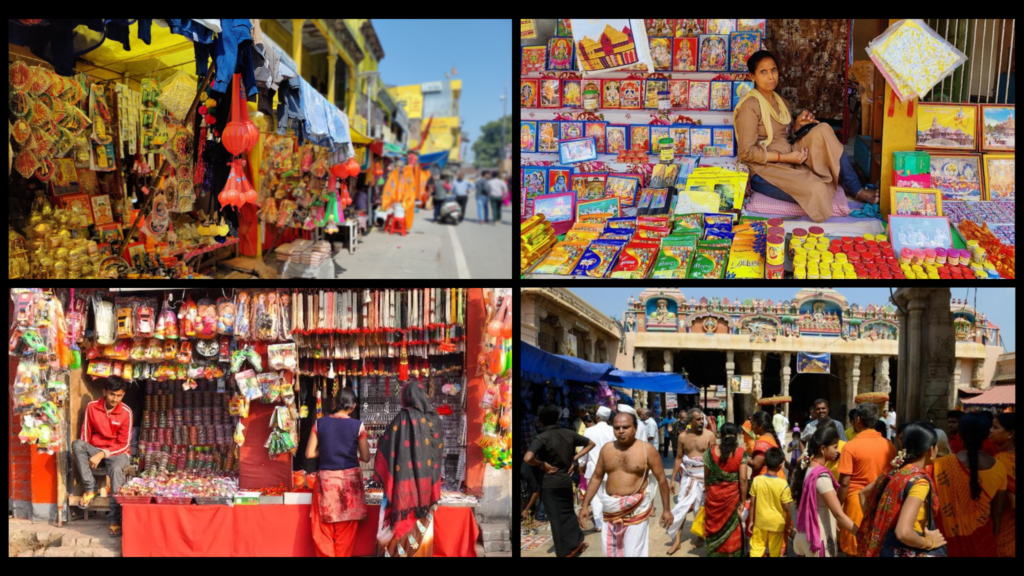
Beyond religious rituals, the fair also showcases Gujarat’s cultural spirit through bhajans, folk performances, food stalls, and local handicrafts. The mela beautifully combines devotion, tradition, and vibrant community celebration.
Festival Travel and Cultural Movement
One of the less discussed yet significant aspects of Maha Shivratri is its influence on travel and short term tourism. Pilgrimage routes become active, and temple towns witness a steady influx of visitors. Somnath, Dwarka, and other temple centers experience heightened activity as devotees plan trips aligned with the festival.
Hotels, guest houses, and local eateries observe increased occupancy and customer flow. Even modest accommodations benefit from festival driven travel. Restaurants extend operating hours to serve visiting pilgrims. Tea stalls and small refreshment outlets remain active well past midnight.
The Role of Local Commerce
While devotion remains central, the festival also sustains a visible layer of local commerce. The areas surrounding temples gradually turn into active marketplaces. Vendors selling flowers, coconuts, sweets, and puja items line the streets. Temporary stalls emerge, offering devotional goods and simple refreshments.
For small sellers, Maha Shivratri represents a valuable business period shaped by predictable demand. A single night of strong temple footfall can generate earnings that rival several regular working days. Flower vendors, prasad sellers, and snack providers prepare specifically for this surge.
Consider a busy temple attracting 50,000 visitors during the festival night. If average incidental spending per devotee ranges between ₹100 and ₹200 on offerings and small purchases, the immediate commercial circulation around that single location may range from ₹50 lakh to ₹1 crore. Larger temple centers naturally exceed these figures.
Unlike structured retail seasons driven by promotions, this economic activity remains decentralized and tradition driven. Demand is created by participation rather than marketing campaigns.
Small Businesses and the Night Economy
The nighttime nature of Maha Shivratri creates distinct opportunities for small businesses. Devotees who remain awake through the night require refreshments, transportation, and basic services. Tea sellers, snack vendors, and small eateries observe continuous customer flow.
Transport providers experience extended working hours. Auto rickshaw drivers and local taxi operators witness increased ridership as visitors move between temples, accommodations, and markets. For many drivers, festival nights produce noticeably higher earnings compared to typical days.
This pattern highlights a recurring feature of Gujarat’s festival economy. Cultural observances often generate short-duration yet high-intensity business activity that supports micro-entrepreneurs and informal-sector workers.
A Festival That Reflects Gujarat’s Social Rhythm
Beyond temples and commerce, Maha Shivratri in Gujarat reveals something fundamental about the state’s social character. The celebration is large in scale, yet restrained in tone. There is collective participation without excessive spectacle. Devotion, patience, and continuity define the experience.
Public spaces remain active yet orderly. Families, elderly devotees, and young visitors share the same queues at the temple. Conversations remain soft, movements deliberate. The festival feels less like an event and more like a lived tradition that unfolds each year naturally.
Understanding the Broader Significance
Festivals often appear symbolic when viewed casually. Observed closely, they reveal patterns of movement, cultural continuity, and economic interaction. Maha Shivratri illustrates how Gujarat’s religious traditions continue to shape social behavior and local marketplaces simultaneously.
Temples anchor the celebration, travel sustains regional movement, and small businesses adapt to the rhythm of demand. The cycle repeats annually, offering both spiritual meaning and practical economic opportunities.
In Gujarat’s cultural landscape, Maha Shivratri stands not only as a night of worship, but as a reflection of how tradition, space, and livelihood remain closely connected.
To explore more stories, culture, and hidden gems across Gujarat, head over to Gujpreneur.