
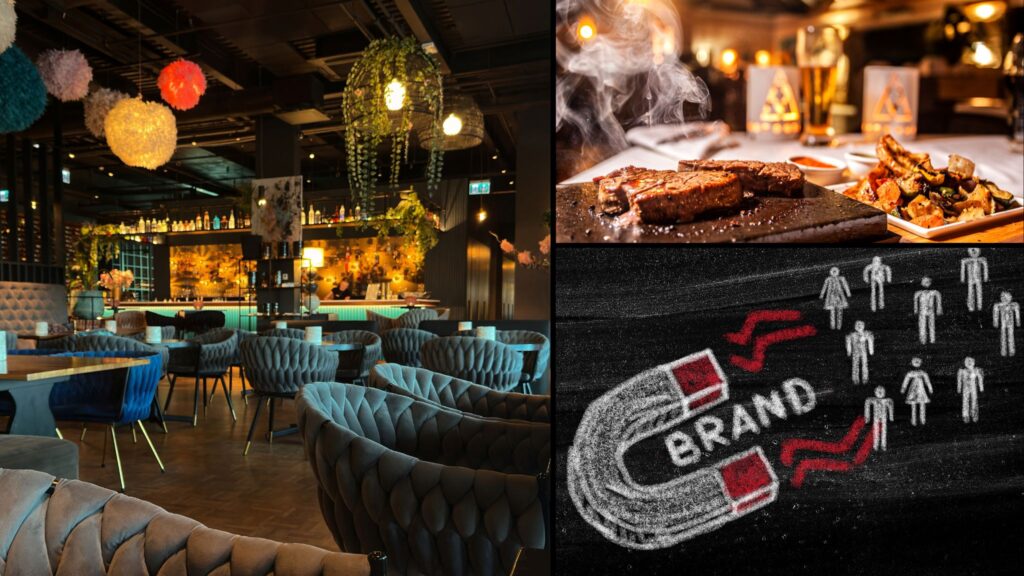
If you walk into any busy restaurant on a Friday evening and observe the room carefully. Some guests are taking pictures of the ambience before the food arrives. Some are recording reels of cocktails being poured. Others are celebrating birthdays, hosting meetings, or simply enjoying the atmosphere.
In today’s hospitality landscape, something subtle but powerful has changed. Restaurants are no longer just places where people eat. They have become experiences, identities, and brands.
Across Gujarat’s food ecosystem, from fine dining establishments to rooftop cafés and new-age food startups, entrepreneurs are realising that good food alone is no longer enough. Guests now look for something deeper: atmosphere, storytelling, community, and emotional connection.
This shift reflects the growth of entrepreneurship in the hospitality sector. Restaurants today are evolving into lifestyle spaces where design, service, culture, and cuisine merge into a single brand identity. To understand this transformation in Business in Gujarat, Gujpreneur spoke with founders, restaurateurs, chefs, and food entrepreneurs who are shaping this new dining culture.
Their perspectives reveal why the restaurant business is no longer just about menus. It is about experience.
1. Trust and Brand Recall: The Foundation of Modern Hospitality
One of the strongest examples of a restaurant evolving into a brand is The House of Makeba, founded by Nipun Kanodia & Ram Singhal.
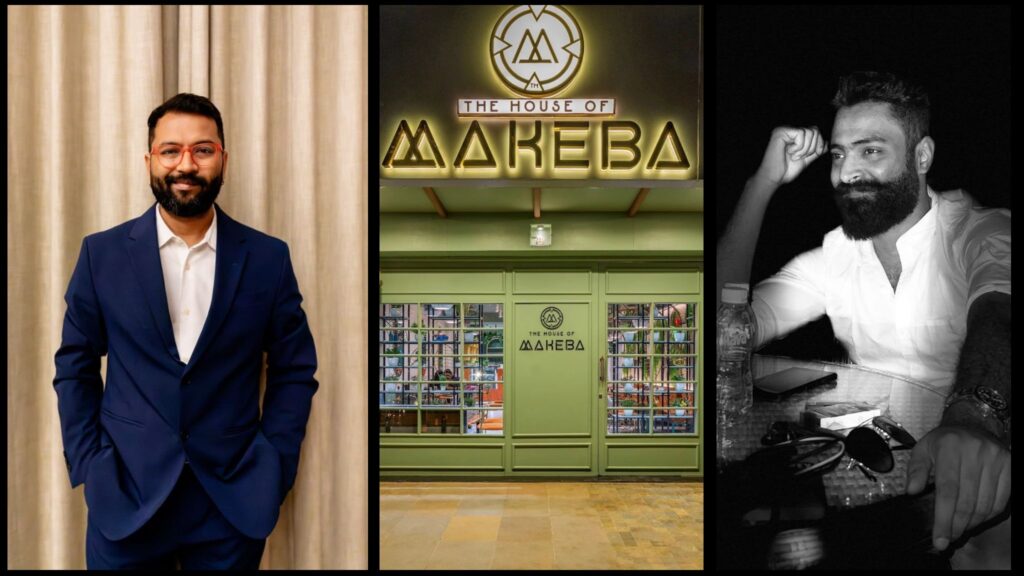
Makeba has grown into one of Ahmedabad’s most recognisable dining spaces, not only because of its menu but because of the experience it creates for guests.
The co-founder, Ram Singhal believes the real differentiator today is trust:
“In today’s market, food is expected – trust is earned. When guests repeatedly choose you for birthdays, business meetings, and family dinners, it’s not about the menu anymore. It’s about the confidence they have in your brand.”
This trust is what transforms a restaurant from a place people visit once into a place they return to again and again.
2. Restaurants as the Pulse of a City
For Mayank Gautam, Director of Afro House Ahmedabad and winner of Hospitality Entrepreneur of the Year 2024 & Restaurateur of the Year (Times Food Awards), restaurants are far more than food outlets.
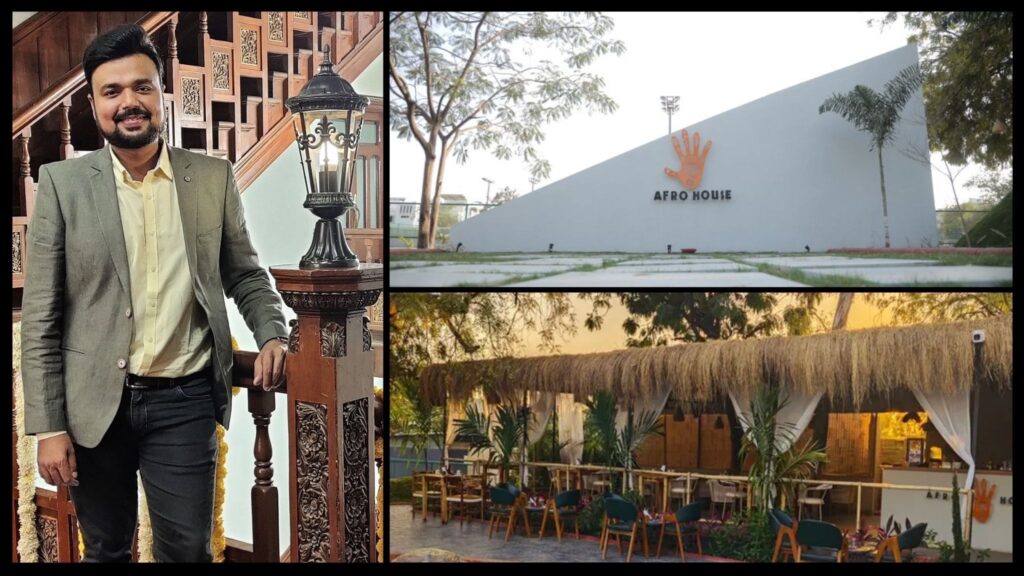
They are reflections of the city itself.
“Understanding the customer & it’s requirement is the most significant part of a restaurant process. Every geography has a different buyer behaviour. The behavior is only understood with experience.”
He believes restaurants shape the social identity of cities.
“Restaurants are not just food places. Restaurant brands are the pulse of the city & It’s a mirror of how a city interacts with each other. A city is described by the restaurants it offers. The Buildings of the city are categorised by the level of restaurants in its ground & first floors.”
In many ways, restaurants today act as cultural landmarks within urban life.
3. The Experience Economy in Fine Dining
For Mihir Shah, owner of Mauve Ahmedabad, the transformation of dining culture is especially visible in fine dining.
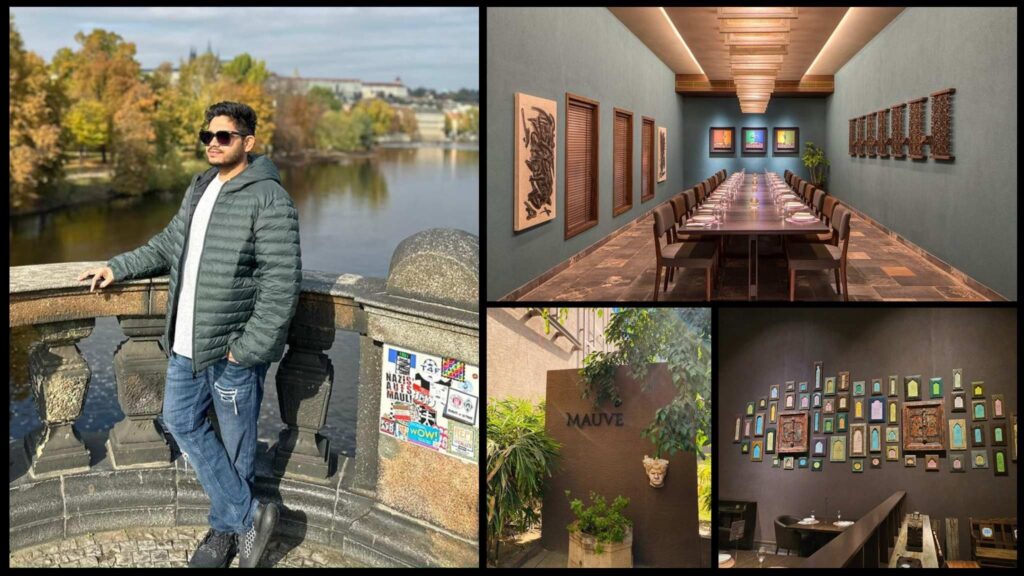
“In fine dining today, guests are paying for a complete experience, not just food. Ambience, service, presentation, and hospitality create emotions and memorable moments.”
He also points out how aesthetics have become a powerful driver in modern dining.
“The food must be pleasing to your eyes first and then to your palate. Likewise the ambience matters a lot in today’s time the guest look for instagramable places more than any other place with just good food.”
Restaurants today are investing heavily in design and visual storytelling because the dining experience now extends far beyond the plate.
4. The Rise of Experience-Led Restaurant Brands
Among Ahmedabad’s new generation of restaurateurs, Udeet Shah, founder of Ananda, Bottega, and Itameshi, believes experience has become the core of restaurant branding.
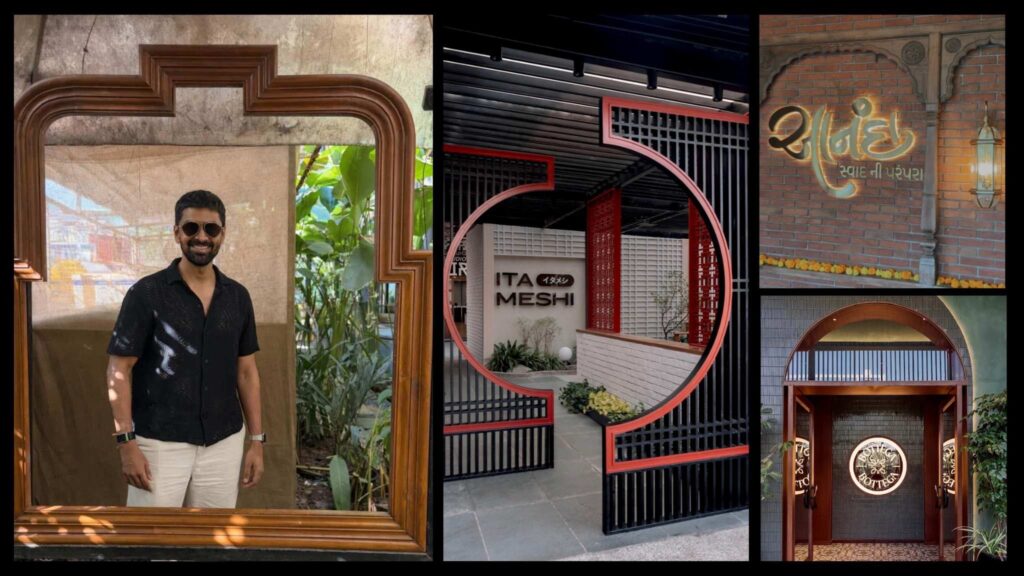
“Today, people don’t just step out to eat – they step out to feel something. The menu may bring them in once, but the experience, emotion, and storytelling are what turn a restaurant into a brand. The future belongs to spaces that create memories, not just meals.”
This mindset reflects how young businesses in hospitality are thinking today. Restaurants are no longer just culinary ventures. They are brand ecosystems.
5. Dining Out Is Now a Complete Experience
For Bobby Thakkar, Founder and Director of Martinoz’ Foods Private Limited, dining out today is about far more than satisfying hunger.
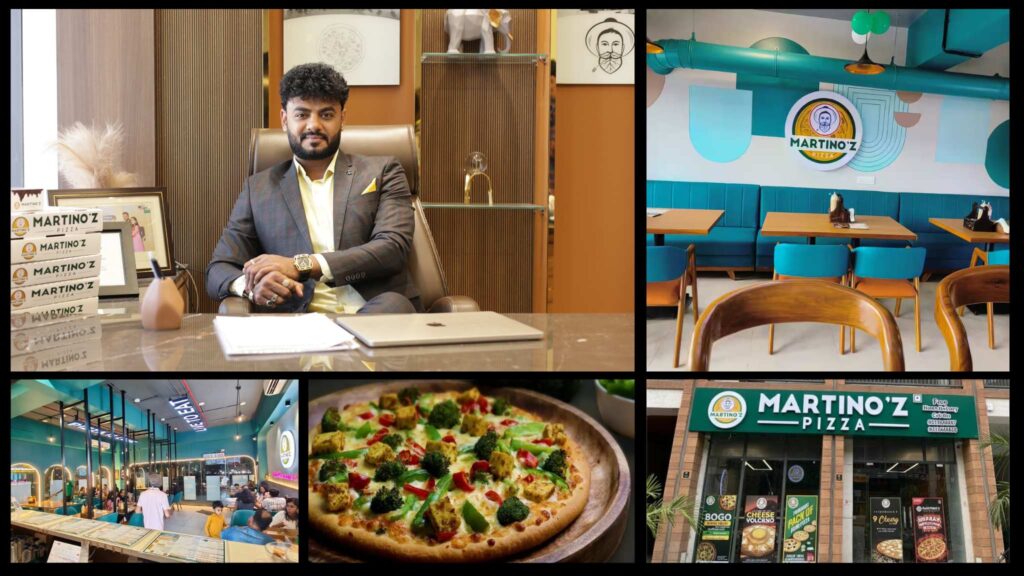
“I believe that today dining out is no longer just about satisfying hunger—it’s about creating a memorable experience. While a good menu is important, what truly makes a place stand out is the overall feeling it offers to guests.”
He explains how every detail contributes to the brand.
“The ambience, design, music, service, presentation, and even the story behind the brand all come together to shape how people connect with a restaurant.”
6. Storytelling and Community in Modern Dining
For Mihir Soni, founder of The House of Earthmonk, restaurants that succeed today understand storytelling.
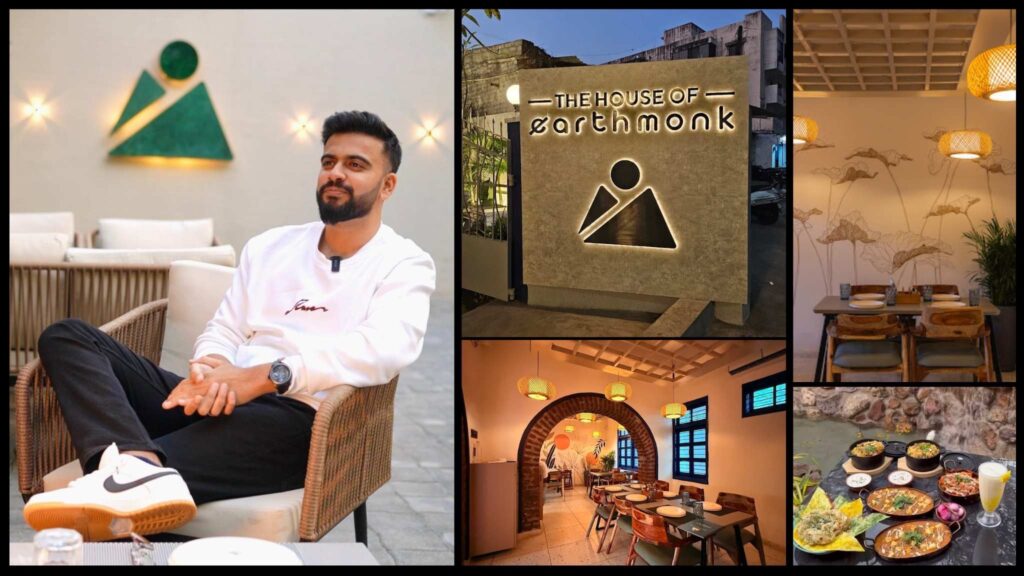
“In the last 3–4 years, dining out has evolved beyond just food. The modern diner is looking for a moment worth sharing which is why trends like experiential dining, curated menus, and design-led spaces are rising. Restaurants that build storytelling and community into the experience are the ones transforming from eateries into real brands.”
7. Community-Driven Food Brands
For Hetal Chheda, founder of Not A Chef and Unbox Jalso, restaurants today build communities.

“Today, diners are not just looking for good food – they’re seeking a feeling, a memory, a story they can connect with.”
She adds that restaurants are evolving into brands through identity and connection.
8. The Consultant’s View of the Industry
Restaurant consultant Suril D. Udeshi, Founder of SRC – Suril Udeshi Restaurant Consultants, sees experience as the defining force shaping the future of hospitality.
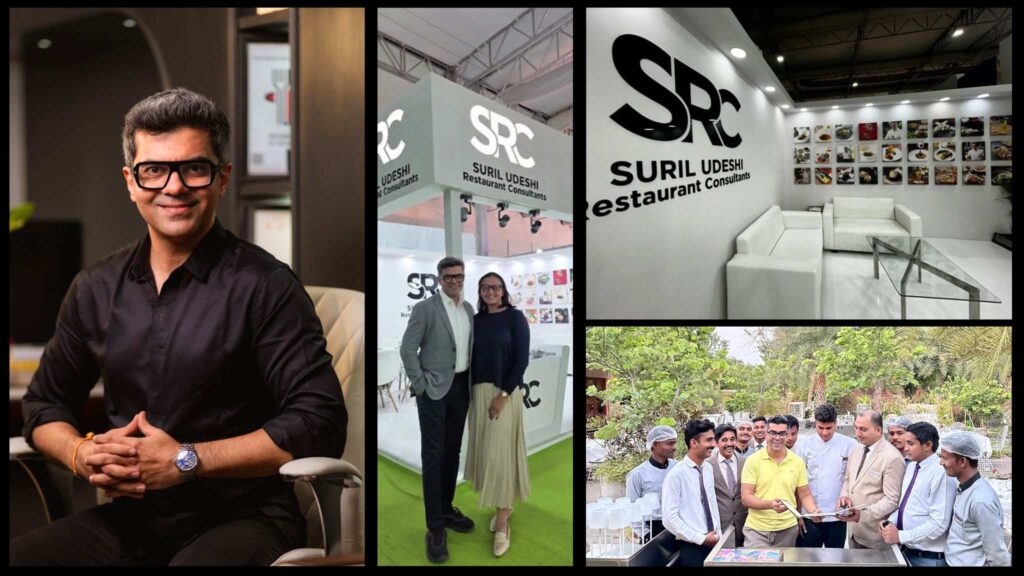
“Today, guests don’t step out just to eat – they step out to feel something, something exclusive. The menu may bring them in once, but the experience brings them back and turns them into loyal ambassadors.”
He also added that restaurants today must curate hospitality with as much care as their menu.
“SRC managed restaurants are no longer just food places; they are emotion-driven brands. The future belongs to those who curate memories, storytelling, and hospitality as carefully as they curate their menu.”
9. The New Generation of Experience-Driven Restaurateurs
Founders Pankaj Sheliya and Krushangi Raval, behind K’s Charcoal, highlight the emotional aspect of dining.
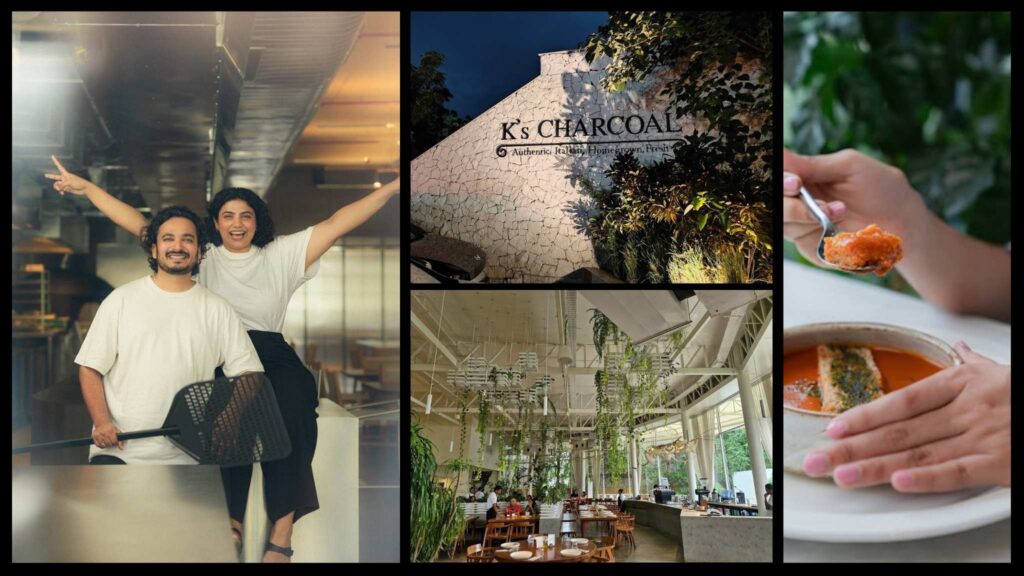
“Good food today is almost a given; what truly lingers is the experience that surrounds it. From thoughtful hospitality to music, atmosphere, and the overall rhythm of a space, guests remember how a place made them feel.”
They also explain how restaurants evolve into brands.
“Restaurants today are evolving into distinct brands because people rarely return for just a single dish, they return for a feeling.”
Their philosophy of hospitality remains simple.
“Our intention has always been simple: clean food, people first. We don’t believe in shortcuts. That’s not a policy, it’s just who we are.”
10. Experience as the Core of Modern Dining
For Ronit and Kritika, co-founders of Campanella Rooftop Restro-Cafe, modern hospitality revolves around emotion.
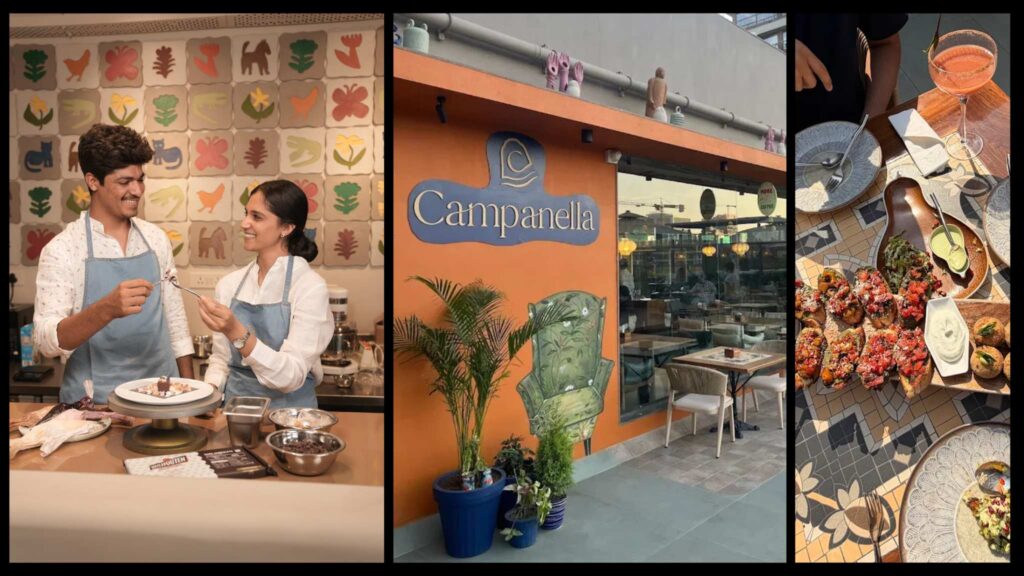
Ronit explains:
“People don’t just yearn for good food now. An experience that doesn’t leave once you exit the space is what makes memories and is cherished.”
Kritika adds:
“Experience to me is the most important thing. The perspective of exploring life through feelings and emotions is far greater than what commodities you consume.”
11. When Restaurants Become Lifestyle Destinations
For Devang, Co-Founder of The Heritage Palace, Rajkot, the transformation of restaurants into brands is tied to how guests experience a place beyond the plate. He explains the shift clearly:
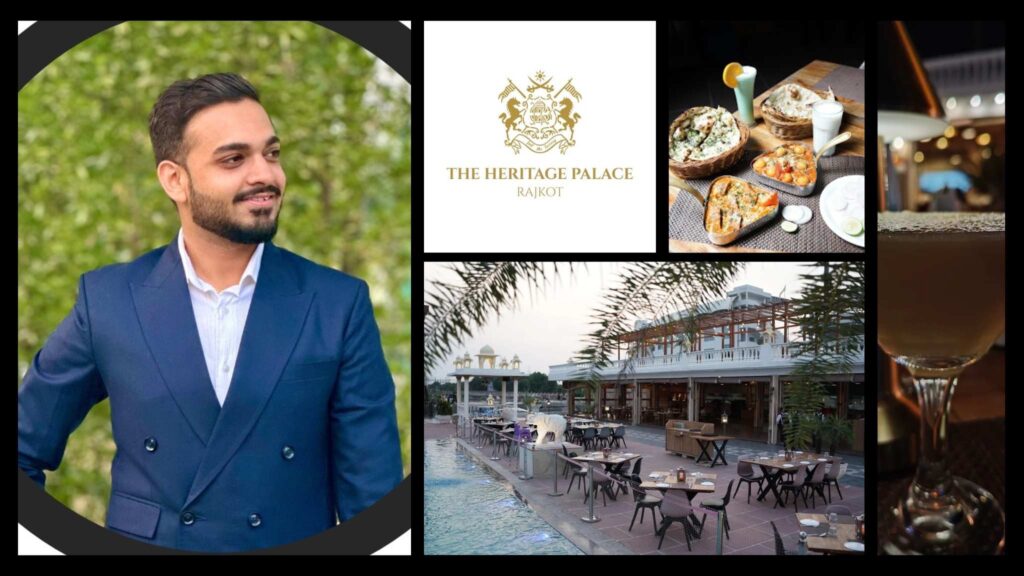
“Food brings guests to the table, but experience brings them back. Modern restaurants are transforming into lifestyle destinations where every touchpoint, from design to service, communicates a larger brand philosophy. The future belongs to those who craft moments, not just menus.”
For entrepreneurs entering the hospitality industry, this insight highlights a crucial lesson in learning about entrepreneurship in the experience economy: serving good food may attract customers once, but crafting memorable moments is what builds long-term loyalty.
12. Experience Even Shapes Food Startups
Commonly known as Fruitpreneur, Jay Gohil is the founder of Apnafal India. He believed that the experience economy is visible beyond restaurants as well for which he said:

“Today, people don’t just go out to eat, they go out to feel something. The experience from ambience and storytelling to service and presentation is what creates emotional connection and brand recall beyond the menu.”
13. Hospitality as an Emotional Craft
For Shahaan Bhicaji Davierwalla, Director of Trezoro and Cream N Crust, hospitality remains deeply personal.
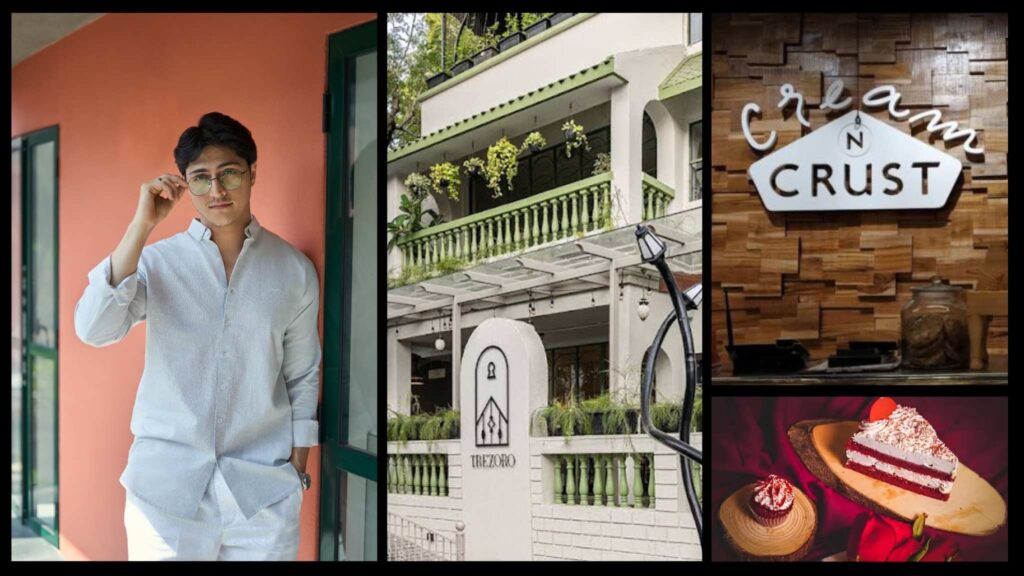
“Guests come for the first time with the imagination of what they think they will feel. When they come back, that’s because of how you actually made them feel.”
He even believes food itself carries emotional meaning.
“Food is very personal. And because of that there is no wrong or right way. Always respect both yours and your guests’ opinion.”
“Food is a love language that we like to speak every day. Cooking is an act of love.”
14. Longevity Creates the Brand
Chef Pranav Joshi, co-founder of Grilled Baked Boiled, believes time defines a brand.
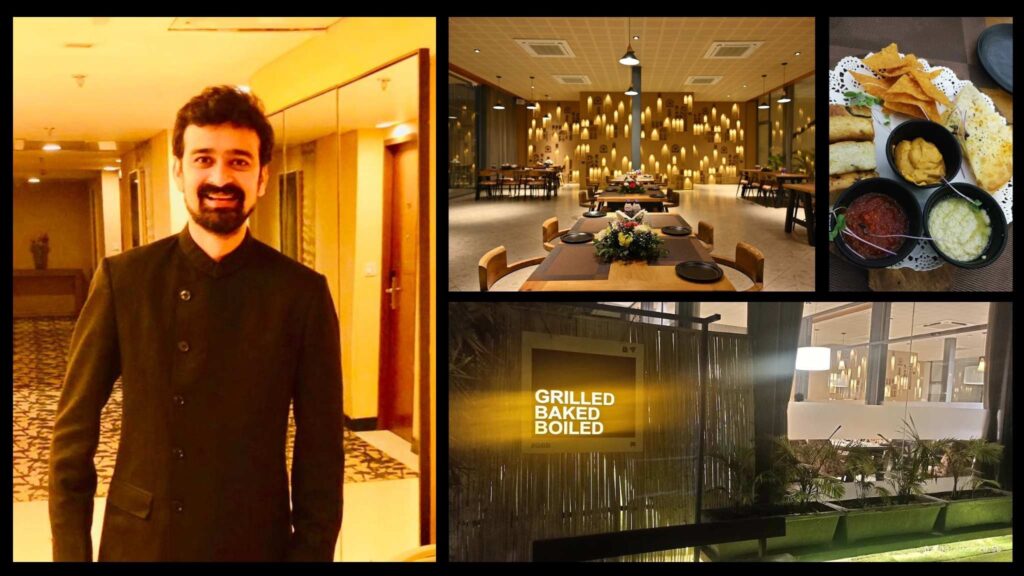
“Food evolves like clothes, every 2 to 3 years and first one to tap that becomes popular and others copy and more or less all do the same using the same ingredients but it only becomes brand if they survive 5 years !”
15. Experience Cannot Be Copied
For Shriwar Jha, founder of Pizzaiiolo India, the difference between restaurants and brands is simple.
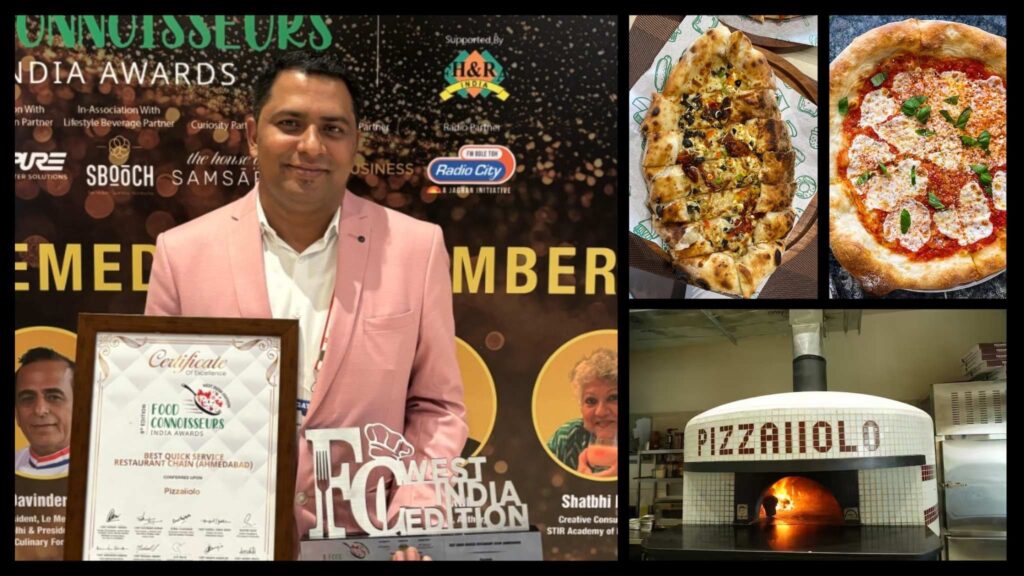
“Menus can be copied, experiences can’t — At Pizzaiiolo we believe people remember how a place made them feel more than what they ate. Great food is the foundation, but the experience is what turns a restaurant into a brand.”
Conclusion: The Future of Restaurant Entrepreneurship
Restaurants today are not competing only on taste. They are competing on identity. The ambience, service, story, feeling a place leaves behind. Because while a good menu may attract guests once, experience builds loyalty. And loyalty is what turns a restaurant into a brand.
In the evolving landscape of Entrepreneurship Stories in India, Gujarat’s food entrepreneurs are proving that hospitality is no longer just about serving food.
It is about creating moments people want to return to.
Keep visiting Gujpreneur for more such interesting insights!