
Introduction
Trust is a simple word. But building an entire business on it takes years. When the foundation is strong, the journey becomes less complicated. That is exactly what Litmus Branding has stood for over the years — work built on honesty and trust.
As Kapil Vaishnani says, “Client ne khabar che ke amna jode jaisu toh kam thai jase.”
(Clients believe that if they go to Litmus, their work will be taken care of.)
That kind of trust is built over years of consistent work, honest conversations, and delivering what you promise. For more than two decades, Litmus Branding has become a recognised name in Ahmedabad. Behind this journey is Kapil Vaishnani, Founder of Litmus – a person deeply connected with creativity, observation, and honesty.
Today in Gujpreneur, we explore his thoughts on business, mindset and his story of building Dhandho.
The Beginning – When Art Found Its Direction
Before Litmus became a recognised branding name, the story began in a very simple way — with art.
Kapil Vaishnani completed his diploma in art in 2000. Drawing and creativity had always been an integral part of his life. In fact, his parents once imagined a different path for him. But sometimes things unfold in their own way and lead to unexpected outcomes.
Art kept pulling him in its direction. During those early years, Kapil often travelled to Mumbai to explore different art schools. The curiosity to learn never left him. Later, while working in a 9-to-5 job, he realised he could start his own business. That thought,“Dhandho karvo che” stayed with him, and that is how Litmus began.
Starting Litmus – A Simple Idea Called “Dhandho”
Litmus started with no big investments or elaborate plans, but with a simple thought — “Dhandho karvo che.” The urge to build something of their own. Kapil Vaishnani moved to Ahmedabad with almost nothing in his pocket and a loan on his shoulders. The early days were uncertain, but the intention was clear, there was no second option.
As Kapil believes, “When there is no Option B, execution becomes sharper.”
And that mindset shaped the philosophy of Litmus Branding. Together with his brother, he began with screen printing, learning every step of the process. By 2001, that small beginning had formally become Litmus Branding. Even the name came through deep thinking. Kapil often carried a pocket dictionary, exploring words and ideas. He wrote names from A to Z, but nothing clicked until the idea of Litmus came to mind.
Just like the litmus test is the final test in checking a product, every design should pass a Litmus test before reaching print.
The Philosophy – Truth, Energy, and Ethics
Every business reflects the thinking of the person building it. The foundation for Lithmus has always been simple — truth, energy, and ethics.
Kapil says: “Be true to yourself. Mistakes are part of learning, but lying to yourself only slows growth.”
Another thing he often emphasises is energy. Every day should begin with intent and commitment. Over the years, this mindset shaped Litmus as well. The work is not about shortcuts or quick results, but honesty in thinking and clarity in execution.
For Kapil, leadership begins with staying true to your own work.
What Branding Actually Means
Branding often gets reduced to logos and social media creatives. But it’s more than that.
“Brands are not built by founders. They are validated by consumers.”
Building on this, a brand comes from the people, while social media is a tool to amplify the message. It cannot replace a strong product or service. He also believes many new entrepreneurs misunderstand branding. They think they can build a brand within a year or two. But the real game of branding requires patience.
“Brand identity will always outlive a brand name.
Names are created by founders.
Identity is created by consistency.”
He says that if he ever got the chance to observe how global agencies like Ogilvy work across countries, he would sit there and listen. In the end, branding is not about tactics — it is a long-term game of patience.
Lessons from 25 Years – Patience and Observation
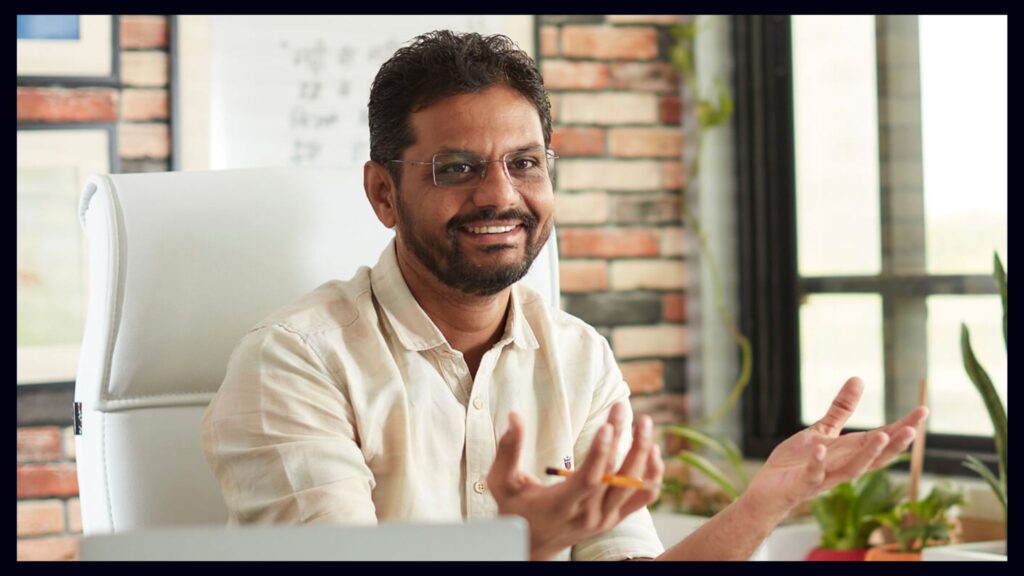
Spending more than two decades in the branding industry teaches lessons that no textbook can. For Kapil Vaishnani, two things stand out the most: patience and observation. Many new entrepreneurs enter the market expecting quick recognition. But strong brands are never built overnight. Time, consistency, and patience shape real growth.
Kapil also believes observation plays a huge role in business, understanding how people think and respond, and how markets behave. Observing these aspects sharpens decision-making. With time, technology evolves, and adapting to it becomes necessary. But clarity of thought provides the real advantage.
As he puts it: “A wavering mind never takes you where you want.”
Staying focused and thinking clearly often makes the biggest difference in the long run.
Beyond Business – The Inner Work
After many years in business, Kapil Vaishnani began paying attention to the spiritual side of life. Since 2018, he has practised spending thirty minutes with himself every day, observing the thoughts running through his mind.
For him, inner thinking shapes outer decisions, “Your thoughts are your real assets.”
Kapil also believes success often invites comparison. People measure themselves against others. But success looks different for everyone. That is why staying grounded matters.
As he simply says: “Pag jameen par rakhva joiye.”
Keeping your feet on the ground keeps the mind steady.
Conclusion
Building a brand is rarely about speed. It is about consistency, patience, and trust built over years. Litmus Branding’s journey shows how honest thinking and clear work shape credibility in the market.
Kapil Vaishnani sums it up simply:
“Kyare vechvani koshish na karta — je che ae batavanu.”
Never try to oversell. Show what truly exists.
In the long run, honesty travels further than exaggeration.
If you enjoy reading such entrepreneurial insights follow Gujpreneur for more such business stories from the people building businesses around us.







Comments
heard about this on mbube radio, decided to give it a try.