
Labour Day Special | Gujpreneur
Employee wellbeing is becoming an important factor in Gujarat manufacturing. On paper, factories look highly productive and efficient. Output per worker is strong, machine use is optimized, and costs remain competitive.
But a bigger question is rising on factory floors. Are manufacturers measuring the right KPIs today? Or are they missing the factor that actually drives productivity?
From Rajkot to Morbi, machines alone do not decide output. People play the most important role in factory performance. This applies across engineering, ceramics, and FMCG manufacturing units. Employee wellbeing is not just an HR topic anymore. It directly impacts productivity, quality, and overall profits.
The Reality on the Factory Floor
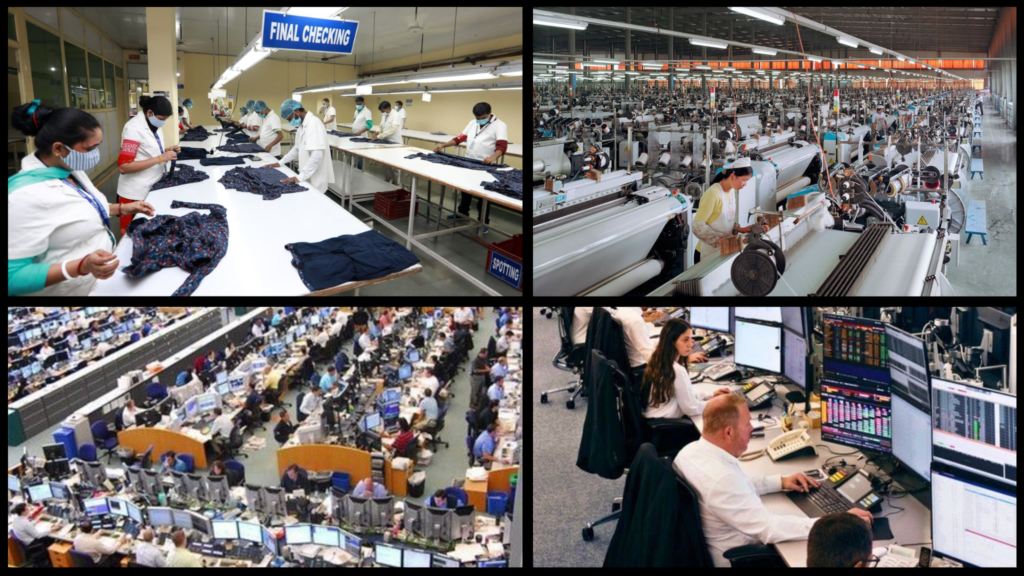
Walk into any medium-sized factory in Gujarat and operations appear efficient; machines run smoothly, processes are defined, and targets are clear. But when employee wellbeing is ignored, absenteeism rises, delays increase, and defects grow. These issues don’t begin with machines; they begin with disengaged employees.
Low morale reduces focus, leading to mistakes, rework, and fatigue, creating a cycle that impacts output. Many promoters still treat employee happiness as an HR concern, but it is a core operational factor. Engaged teams deliver better quality and consistency.
This is especially visible in FMCG production lines, where precision is critical. Shudhhata, based in Gandhinagar, uses traditional cold-processed methods, where product quality depends heavily on human precision, making workforce wellbeing essential.
As they highlight:
“In our specialised niche, cold-processed flour and stone-pressed oils—the human element is the primary guardian of quality. If our workforce is fatigued or disengaged, the nuance of the ‘cold process’ is lost.
Absenteeism: A Hidden Business Loss
In Rajkot, many manufacturing units operate on tight margins. Even a small increase in absenteeism can create serious problems. A 3–5 percent rise can disrupt operations significantly. Machines remain idle. Skilled workers are unavailable. Replacement workers reduce efficiency. This affects the entire production flow.
Late deliveries can lead to penalties. Customer trust starts weakening.
In FMCG units, delays directly affect distribution cycles. Stock-outs impact retailer relationships and shelf presence. Most factories track attendance, but very few analyze the real reasons behind absenteeism.
Important questions remain unanswered:
- Why are workers taking frequent leave?
- Why are some shifts more affected?
- Why does attrition increase after busy cycles?
Common reasons include heavy workload, unsafe conditions, poor supervision, and salary dissatisfaction. These factors are measurable, but rarely included in performance dashboards.
Morbi Ceramics and FMCG: Speed vs Stability
Morbi is a major ceramic manufacturing hub, known for its scale and exports. But scale does not always ensure stability. The work involves heat, repetition, and long hours. Workers often feel tired. Tired workers miss small mistakes. Stressed workers ignore minor defects.
Over time, small issues become big problems. Breakage increases. Rejection rates go up. Costs rise due to rework. FMCG manufacturing faces similar pressure at high volumes. Packaging errors or quality issues can quickly affect brand trust.
Engaged workers behave differently. They stay alert, solve problems early, and work carefully. This directly improves productivity and margins.
Why Current KPIs Are Not Enough
Most factories track production, machine usage, rejection rates, cost per unit, and inventory. These metrics are important, but they only show results. They do not show the real causes. Employee wellbeing is a leading factor. Production numbers are lagging results. By the time defects increase, morale has already declined.
As highlighted by Shudhhata:
“Most manufacturers are still hyper-focused on output per hour and OEE. While these are vital, they often miss skill retention and craftsmanship consistency.”
Smart factories now track deeper insights such as employee engagement, absenteeism patterns, safety issues, and overtime linked to defects.
They also emphasize a shift in thinking:
“We need to start measuring human sustainability. Employee longevity and satisfaction are strong indicators of long-term product quality and brand trust.”
FMCG brands are also adopting these workforce metrics to maintain consistency. This is not just HR data, it is business-critical information.
Wellbeing Improves Business Results
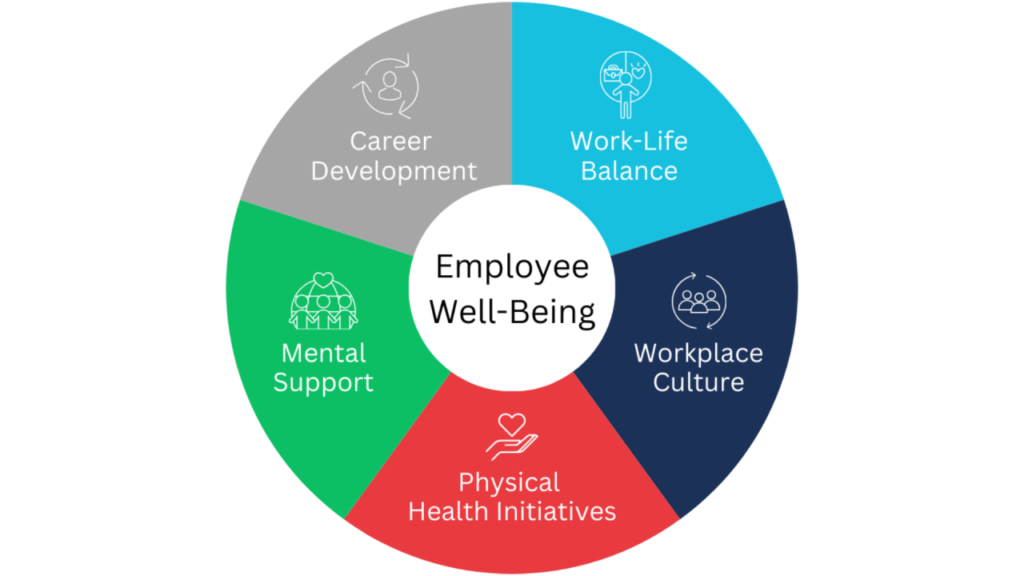
Employee wellbeing has a clear financial impact. Even small improvements can create strong results. Fewer defects reduce costs. Lower absenteeism improves stability. Reduced attrition lowers hiring costs. Engaged teams deliver higher productivity.
In FMCG, this ensures consistent product quality and stronger customer trust. At Shudhhata, this is approached through practical, on-ground initiatives:
“We focus on holistic stability—providing food and accommodation, and giving workers a sense of pride in preserving traditional processes.”
These improvements do not require heavy investment. Simple steps can create strong impact:
- Clear salary communication
- Skill development programs
- Safe working conditions
- Growth opportunities
- Recognition systems
These are low-cost actions with high returns.
Changing Workforce Expectations
Today’s workforce is different. Employees expect respect, dignity, and growth opportunities. They value communication and feedback. Ignoring these expectations leads to disengagement. Factories that listen to employees perform better. Workers raise issues early, helping prevent bigger problems. Good communication improves productivity and coordination.
Conclusion: Measure What Truly Drives Growth
For years, manufacturing success has been measured through machines and output. But the next phase of growth depends on people. Employee wellbeing is not a soft metric. It directly drives productivity, quality, and profitability. Factories that rely only on traditional KPIs will react late. Those that track workforce signals will act early and perform better.
In Gujarat’s competitive landscape, advantage will not come from scale alone. It will come from combining operational efficiency with human insight.
At Gujpreneur, we believe the future belongs to businesses that measure what truly matters. Because strong factories are not built on machines alone—they are built on people.