By Jayesh Purohit, Senior Copywriter at Praveg Limited
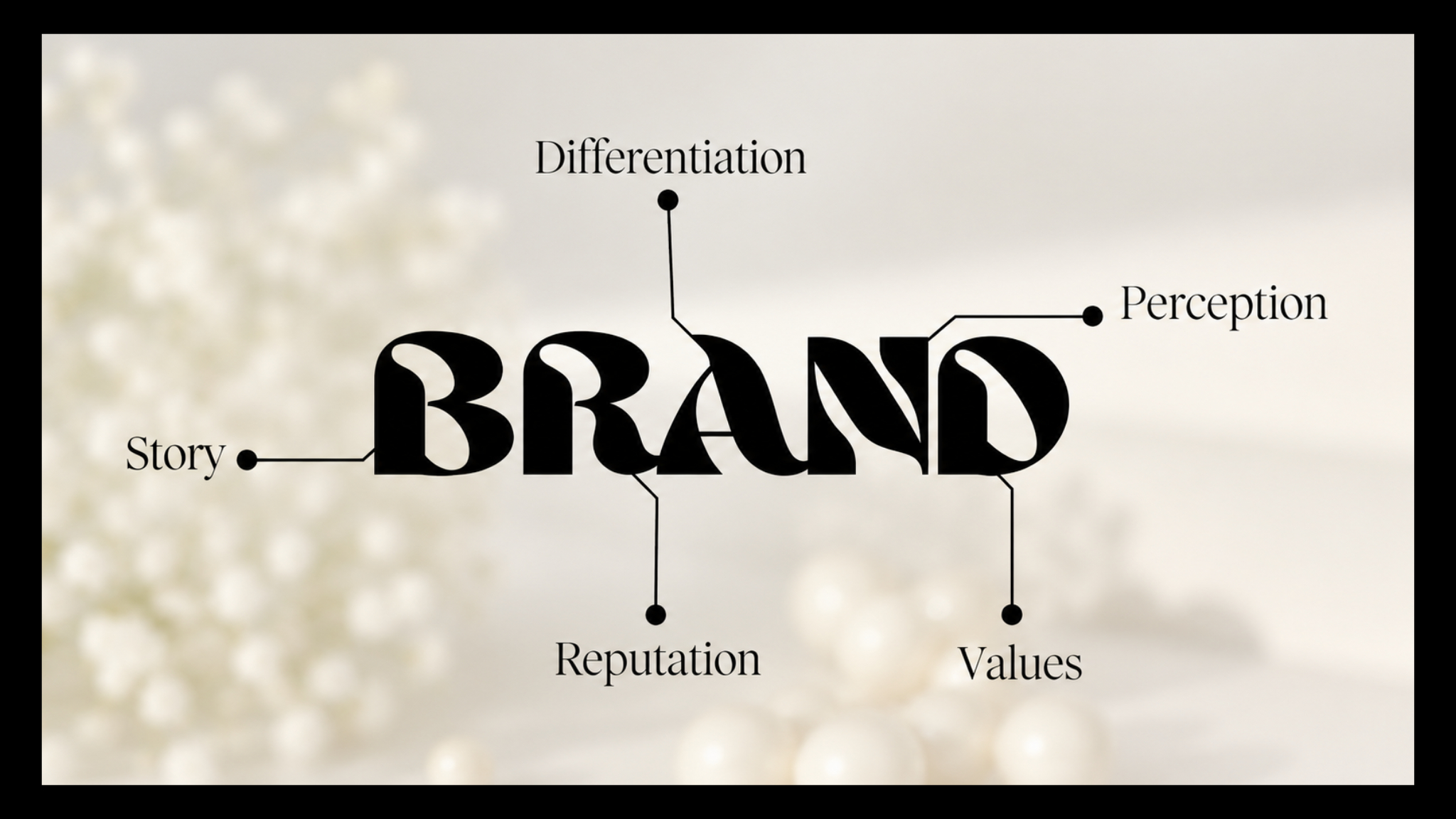
Many words, upon entering the world of business, lose their essence and value. Branding is no exception. Often confused with advertising and marketing, branding is reduced to a collection of visual elements, a catchy tagline or an expensive advertising campaign. What gets overlooked is a simple truth: branding gives a product, service or company its identity, personality and purpose.
Think of a brand as a living being. To be precise, think of it as a human being.
We have ambitions, emotions, dreams, aspirations, challenges, fears and whatnot. We communicate, make promises, keep them, sometimes fail, sometimes succeed, and gradually evolve. Brands do much the same. They have tangible goals and emotional aspirations. They speak to people, evoke feelings, build relationships and, over time, earn trust. The process of shaping this identity, nurturing these relationships and fulfilling the promises made is what branding is all about.
Yet, many clients struggle to grasp the intangible aspects of branding. They can see a logo, so they want one. They can see colours, fonts and visual elements, so they want those, too. What they cannot see as easily is the perception taking shape in a customer’s mind. Consequently, the logo becomes the centre of their attention, almost as though a striking visual identity alone could make a brand stand out in a crowded marketplace.
A logo is important, but it is only the beginning. It may help people recognise a brand; it cannot, on its own, give them a reason to believe in it. Behind every successful brand lies a multitude of decisions, experiences, communications and promises. Branding is the larger story; the logo is merely one of its storytellers.
Broadly speaking, a brand must work towards two things: shaping perception and making promises it can fulfil. The two are closely connected, but they are not interchangeable.
Perception can be shaped through storytelling, symbolism, public appearances and carefully crafted communication. Promise, however, demands performance. A brand may persuade people to believe in it, but it must give them reasons to continue believing. Otherwise, the perception it creates begins to crumble.
The distinction becomes particularly interesting when we step outside the world of business.
Politics: The Power of Perception
In politics, perception can sometimes overshadow performance. A politician’s image, rhetoric and public persona may influence voters as much as, or even more than, a detailed assessment of their record. Political loyalties can be remarkably resilient, even when public figures change positions, abandon earlier convictions or disappoint those who once trusted them.
People do not always vote on the strength of facts alone. They vote on hope, identity, emotion and the stories they believe about their leaders. We have witnessed this repeatedly in public life.
Perception, therefore, can be a formidable political asset. But there is a difference between shaping an image and earning trust. The former may win admiration; the latter requires consistency and accountability.
Cinema: When the Actor Becomes the Image
Cinema offers another fascinating illustration of how perception works. An actor spends years playing characters who may be nothing like the person behind the screen. Yet, when a role resonates deeply with audiences, the character’s qualities can become inseparable from the actor’s public image.
Salman Khan offers an interesting case to examine.
During the late 1990s and the years that followed, his public image attracted considerable scrutiny. His relationship with Aishwarya Rai, allegations concerning links with the underworld, a rash-driving case and the blackbuck poaching case all became subjects of extensive media attention. These controversies formed part of the public narrative surrounding him, though their legal circumstances and outcomes differed.
Over the years, however, Salman Khan’s public persona has also been shaped by his films, charitable initiatives, personal appearances and association with cultural traditions. His participation in Ganesh Chaturthi celebrations, for instance, has been widely visible. Such public gestures can contribute to an image of cultural affinity and accessibility, although their precise impact on audience perception is difficult to establish.
His cinematic roles offer another dimension to this discussion. In films such as Wanted, Dabangg and Tiger Zinda Hai, audiences saw him as a forceful protagonist who fought crime, confronted enemies and protected the nation. The characters differed, but many shared an unmistakable appeal: strength, loyalty and a readiness to take action when others could not.
There is an interesting contrast here. Salman Khan, a Muslim actor, has frequently portrayed characters associated with Hindu cultural settings, including police officers, while some of his films have featured Muslim antagonists or terrorists. The significance of these roles lies not simply in the religious identities of the actor and his characters, but in how cinema constructs heroism, patriotism and the moral boundaries between good and evil.
Audiences may know that an actor is performing a role, yet the emotions generated by that performance can spill beyond the screen. The hero’s courage becomes part of the star’s appeal; the character’s loyalty adds to the audience’s affection for the actor. Fiction begins to influence the perception of reality.
Could this be considered a form of image-building? Certainly, it can be examined through that lens. Whether particular elements were deliberately orchestrated by a PR team, however, would require evidence. A celebrity’s public image is rarely the product of a single strategy; films, media coverage, audience preferences and personal choices all play their part.
Salman Khan’s enduring commercial success illustrates how a public figure’s image can evolve despite years of controversy. His journey may be read as an example of the complicated relationship between celebrity, public perception and the power of popular cinema.
Perception May Open the Door. What Happens Next Matters.
This brings us back to branding.
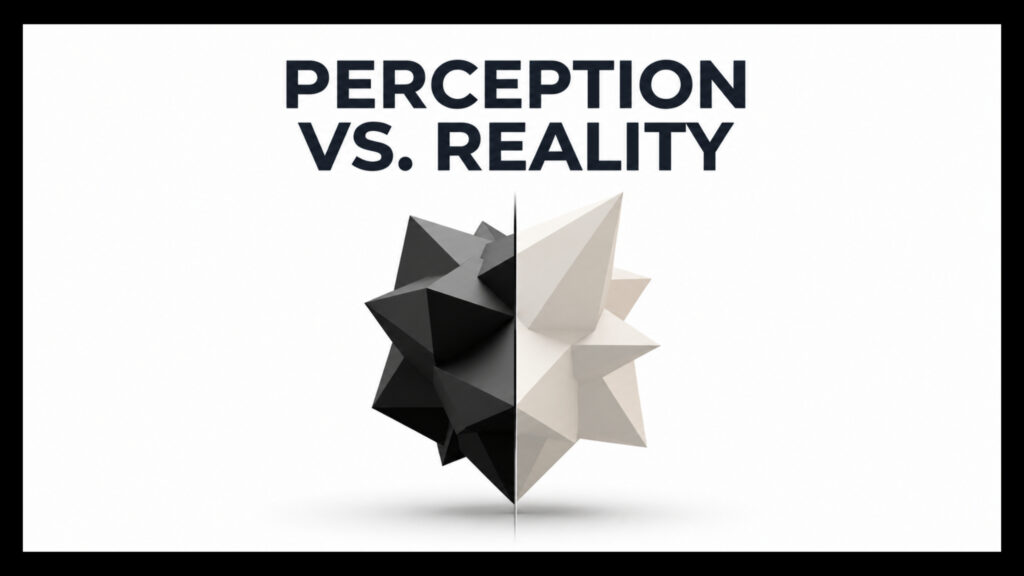
A business can use advertising to attract attention, a politician can use rhetoric to inspire confidence, and an actor can use memorable performances to win affection. In each case, perception shapes the audience’s first impression. But the relationship between perception and reality is never quite so simple.
In business, a promise that remains unfulfilled can cost a brand its customers. In politics, a gap between words and actions can erode public trust. In cinema, audiences may forgive a star’s shortcomings, separate the performer from the person, or continue to enjoy the fantasy that the screen offers.
The expectations differ, and so do the consequences.
Branding, therefore, is not merely about making people see us in a certain way. It is about understanding what they see, what they feel and why they choose to believe in us.
A logo may catch the eye. A story may capture the imagination. A carefully cultivated image may win hearts.
But the real strength of a brand lies in the meaning people attach to it, and the reasons they continue to do so.
Read more founder stories, business insights, and startup perspectives from Gujarat on Gujpreneur