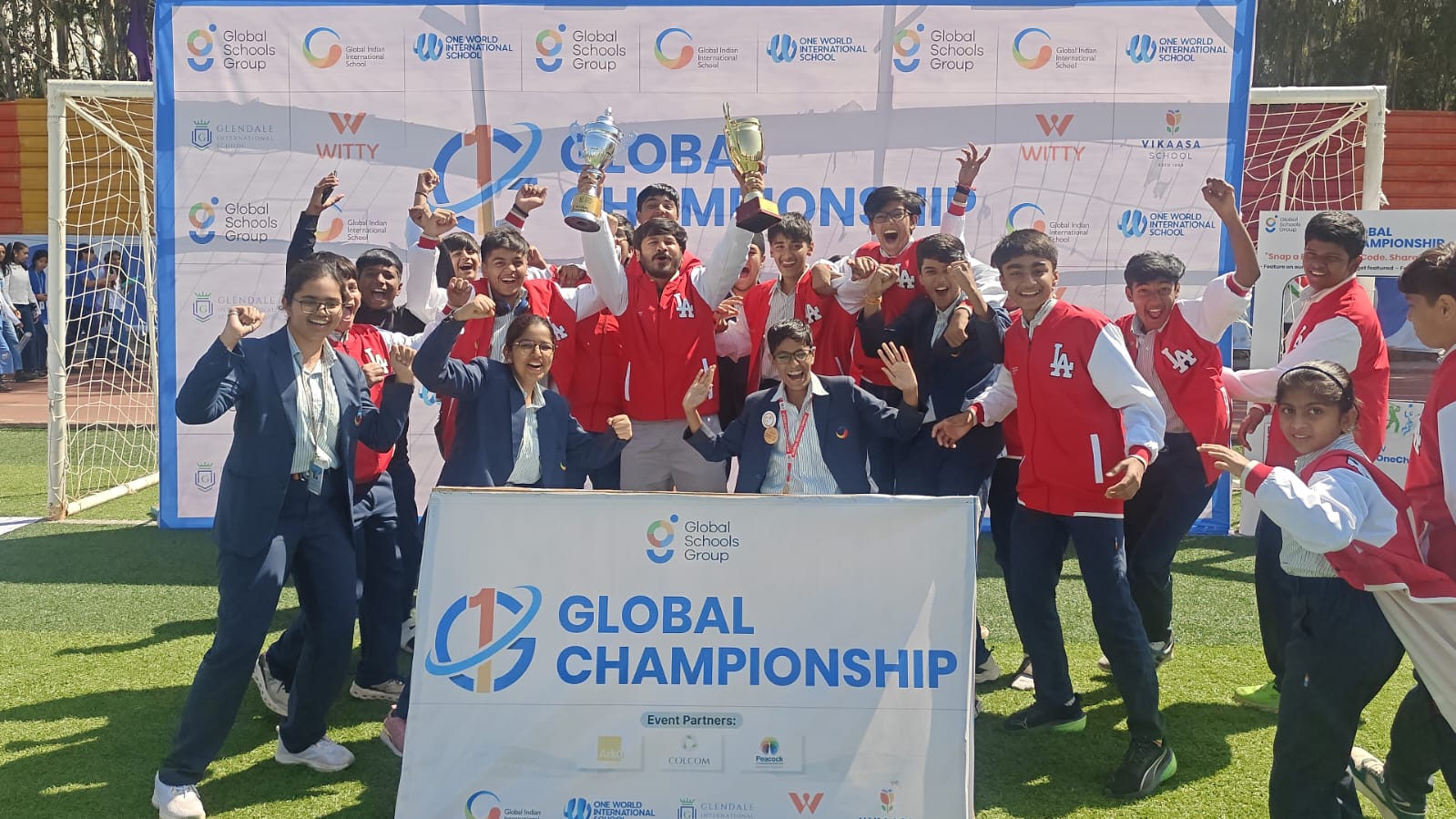
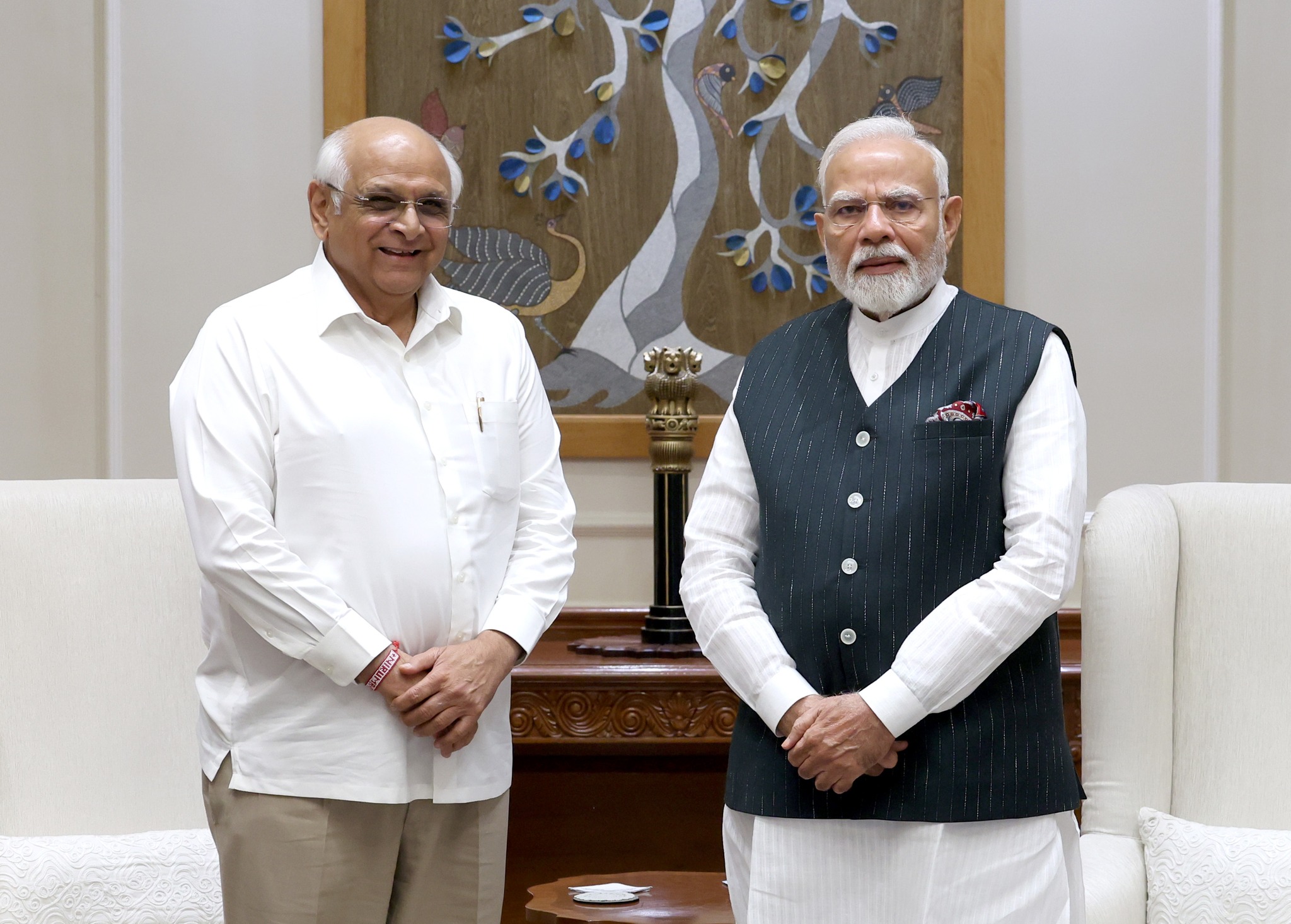
The sports ecosystem in Gujarat is undergoing a major transformation. What was once largely seen as a recreational activity or a school-level pursuit is now emerging as a viable business sector. From private academies and astroturf grounds to youth leagues and coaching programs, sports is increasingly attracting entrepreneurs, investors, and families.
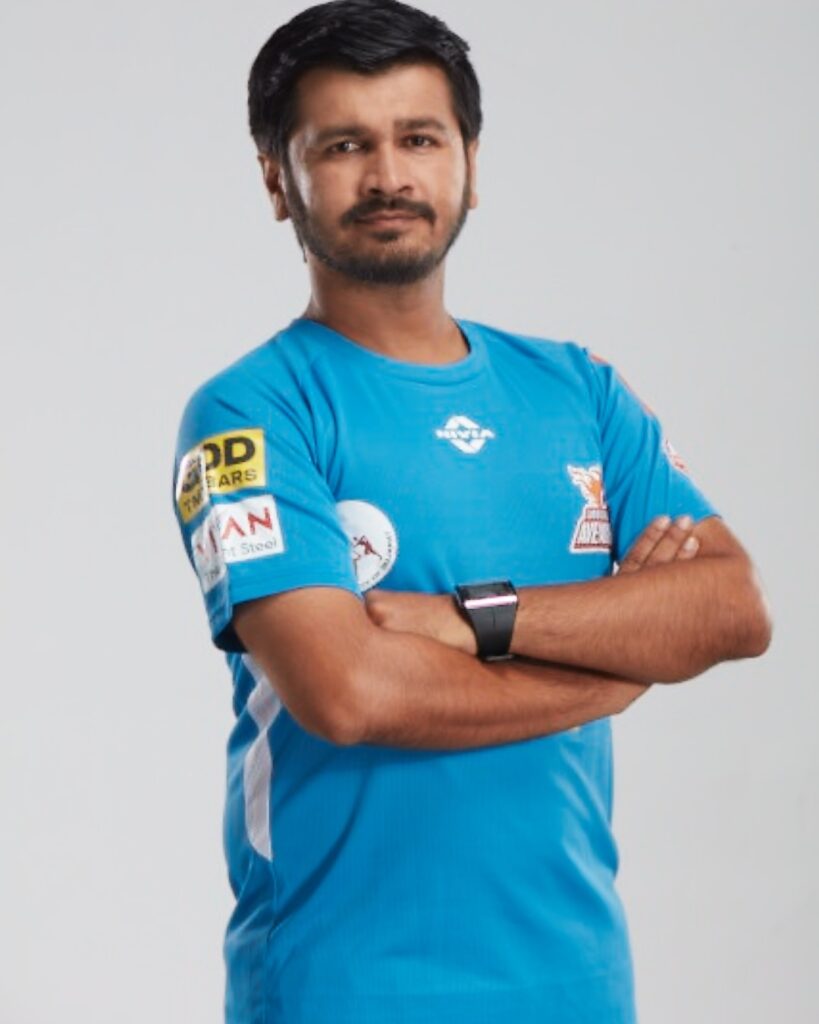
The rise of organized training academies, the development of new infrastructure, and growing health awareness among parents have created a fertile environment for sports-based enterprises. Football, in particular, has seen a surge in participation in cities like Ahmedabad. Industry insiders say the growth is not only changing how children engage with sports but also creating new revenue streams and professional opportunities.
Entrepreneurs who entered the sector early are now witnessing the scale of this transformation.
Early Passion Turns Into Enterprise
For many sports entrepreneurs, the journey began with a simple desire to provide better opportunities for young players.
“I started my football academy in 2007. I was hardly 17 years old. I started with an objective that a lot of players who were not finding clubs, playing in society, gardens, were not having proper tournaments, and so on. So, I formed a club, where we collectively gathered school kids and started training in some grounds, and gradually started participating in tournaments that happened on weekends,” Kshitij Jain told Gujpreneur in an exclusive interview.
Jain’s story reflects a common theme across the sports ecosystem in Gujarat. Many academies were founded by former players or enthusiasts who noticed a gap in structured training opportunities.
Earlier, young athletes often practiced informally in open grounds, housing society parks, or school fields. Professional coaching, proper tournaments, and systematic development programs were limited. Entrepreneurs like Jain stepped in to fill this gap by creating organized training environments.
Over time, these small initiatives began evolving into full-fledged academies with structured programs, regular competitions, and growing enrollment numbers.
Changing Attitudes Towards Youth Sports
A key factor behind the rapid growth of sports academies has been the changing mindset of parents.
Earlier, sports training was usually introduced to children at a later age. Many parents believed that younger children were too fragile to participate in physically demanding sports.
“Before the COVID-19 situation was different. Earlier, the children who used to enroll in the academy, having the eagerness to learn, all started from 7 years and above. Everybody had a mindset that small kids might not be able to play football, they might get injuries, and they might not enjoy it much,” Jain said.
However, this perception has shifted significantly in recent years. Parents are increasingly recognizing the role of sports in overall development. Physical fitness, mental agility, teamwork, and discipline are now seen as key benefits of early sports exposure.
This shift has broadened the market for sports academies, with younger children joining training programs than ever before.
Post-Pandemic Health Awareness Drives Demand
The COVID-19 pandemic played an unexpected role in accelerating this trend.
Health concerns during the pandemic made many families more conscious about physical activity and fitness. As a result, sports academies began witnessing higher enrollment numbers once restrictions were lifted.
“But after COVID-19, due to health awareness, now the kids who are 3-4 years old are enrolling in the academy’s toddler program. Due to this, the development of the brain has been very fast. Due to the introduction of a league for U-5 onwards, children get a lot of fun, competitive atmosphere. That’s why the revenue of the academy has increased,” Jain added.
This younger demographic has opened up entirely new segments within the sports industry. Toddler programs, beginner leagues, and early development training modules have become popular offerings.
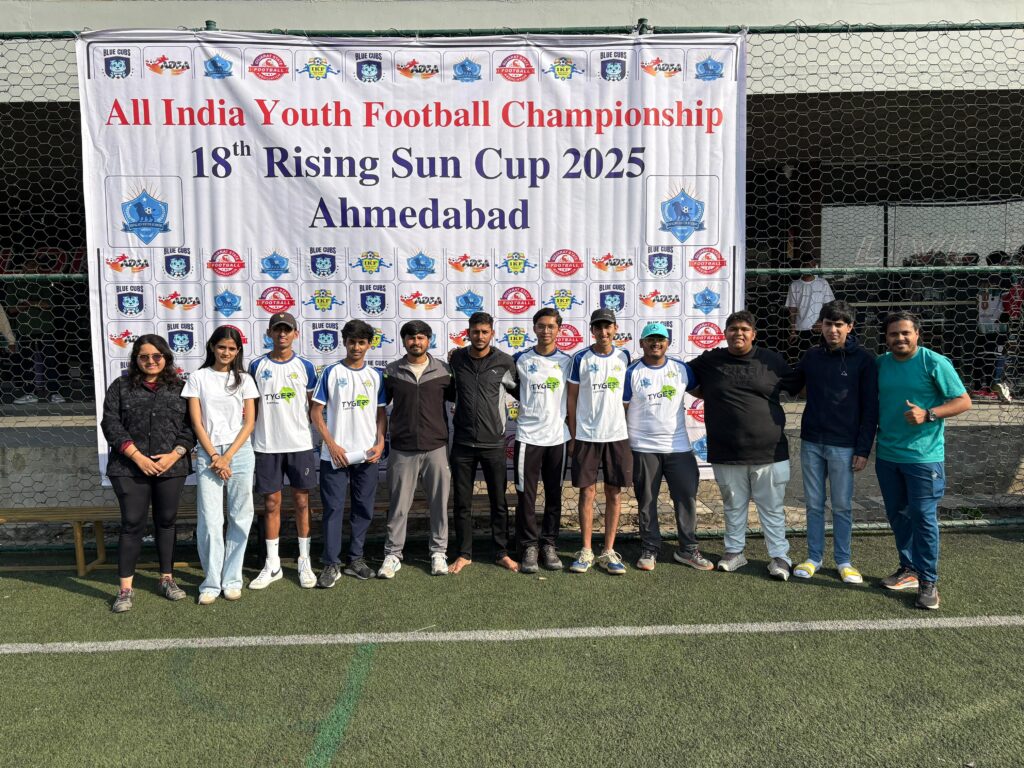
For academies, this means longer engagement with students and more sustainable revenue models. Children who join at three or four years of age often continue training for many years, creating long-term relationships between academies and families.
Infrastructure Boom Fuels Growth
Another major driver behind the expansion of sports businesses in Gujarat is the rapid development of infrastructure.
Astroturf football grounds, indoor sports arenas, and professionally managed facilities are becoming increasingly common in urban areas. These facilities not only attract young players but also create opportunities for recreational sports among adults.
“A lot of infrastructure is developing. As a result, many youngsters who used to play on unstructured, uneven grounds now have many more options to play. Even family members are playing together on weekends because they enjoy the good atmosphere on the astroturf field. Everybody wants to play in a safe, healthy atmosphere; they don’t want to go back to the mud, where there can be dust allergies. Investors have started putting money into the turf. Coaches can afford to purchase the ground on a rental basis,” Jain said.
The astroturf model has proven particularly attractive for investors. Turf grounds can be rented out for coaching sessions, amateur leagues, corporate tournaments, and weekend recreational games. This creates multiple income streams from a single facility.
For coaches and academy operators, renting these facilities provides access to professional-quality grounds without the need for heavy upfront investment.
Location and Lifestyle Factors
While infrastructure growth has created opportunities, it has also highlighted the role of location and lifestyle preferences in shaping demand.
In affluent urban areas, parents often prioritize safety, hygiene, and accessibility over purely competitive training.
“The growing price of infrastructure can be a concern in some parts. Karnavati and SG Highways are areas where people are coming from well-settled families and business families. Hygiene is more of a concern now, along with security, rather than the learning part. For them, their child should be safe, there should be no nuisance, over traffic, and they must be closer to home,” Jain said.
These preferences influence where academies and sports facilities are built. Areas with high residential density and strong purchasing power tend to attract more sports infrastructure investments.
For entrepreneurs, understanding these demographic patterns has become crucial. Facilities located close to residential clusters, with proper lighting, parking, and security, are often more successful in attracting families.
Football Participation Surges
The overall participation in football has also grown dramatically in Ahmedabad in recent years.
“In the last 3-4 years, Ahmedabad football has grown rapidly. The growth is 300 to 400 per cent. A huge number of children have started to play actual sports instead of playing those TV games,” Jain mentioned.
This surge in participation reflects broader societal changes. With increasing awareness about screen addiction and sedentary lifestyles, parents are encouraging children to spend more time outdoors.
Sports academies are benefiting directly from this shift. Regular leagues, weekend tournaments, and structured coaching programs have made football more accessible to beginners.
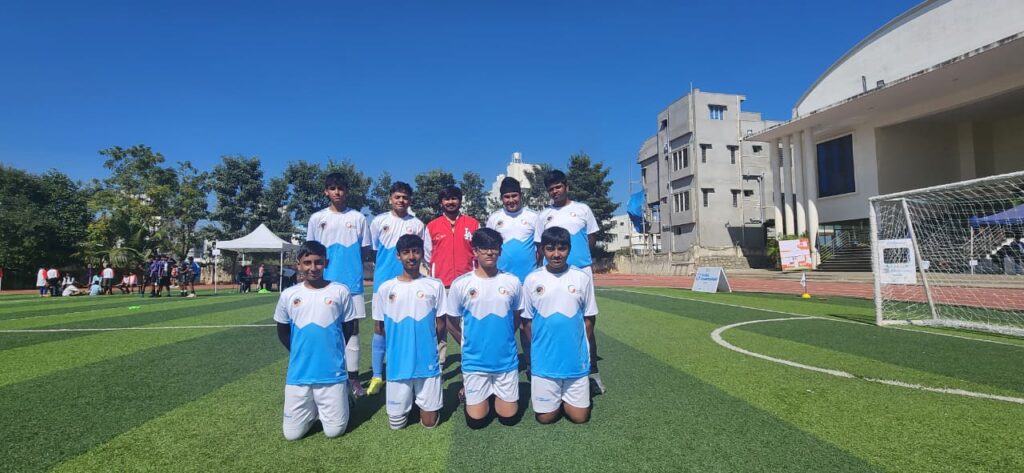
The competitive environment created by youth leagues also motivates children to train consistently and improve their skills.
Demand For Coaches Rising
While participation has surged, the rapid growth has also exposed gaps in the ecosystem.
One of the biggest challenges facing sports academies today is the shortage of trained coaches.
“In terms of academies, the older players were more passionate, skilful, and willing to play. This generation is coming in huge quantities. But to develop these quantities, we need more coaches. In Ahmedabad, the participants are more, and the coaches are less. So, the grounds and academies are increasing but Ahmedabad needs more coaches to develop the kids,” Jain said.
This shortage represents both a challenge and an opportunity. As more academies open and participation grows, the demand for certified coaches, fitness trainers, and sports educators is increasing.
Training programs and certification courses for coaches could become an important part of the sports business ecosystem in the coming years.
A Growing Sports Economy
The evolution of sports in Gujarat reflects a broader shift in how society views athletic activities.
Sports is no longer limited to professional athletes or school competitions. It has become part of urban lifestyle culture. Families now see sports as an essential component of physical and mental well-being.
This shift is creating a vibrant sports economy that includes academies, infrastructure developers, equipment suppliers, event organizers, and training professionals.
Entrepreneurs who entered the sector early are now witnessing rapid expansion, while new investors are exploring opportunities in sports infrastructure and youth training programs.
As participation continues to rise and infrastructure expands, Gujarat’s sports ecosystem is likely to play an increasingly important role in the state’s economic landscape.
For many entrepreneurs, the message is clear. Sports is no longer just a game. It is becoming a serious and sustainable business opportunity.
If you like exploring more articles like these, follow us on Gujpreneur and subscribe to our newsletters.