The Union Budget 2026 has triggered wide reactions across Gujarat’s political and business landscape. Responses ranged from strong endorsement by the state government to cautious optimism among industry leaders. The debate has largely centred on manufacturing incentives, export opportunities, infrastructure spending and sector specific policy clarity. Gujarat’s industrial ecosystem, which is closely tied to national investment trends, is expected to feel the impact in several ways.
Political Reactions from Gujarat
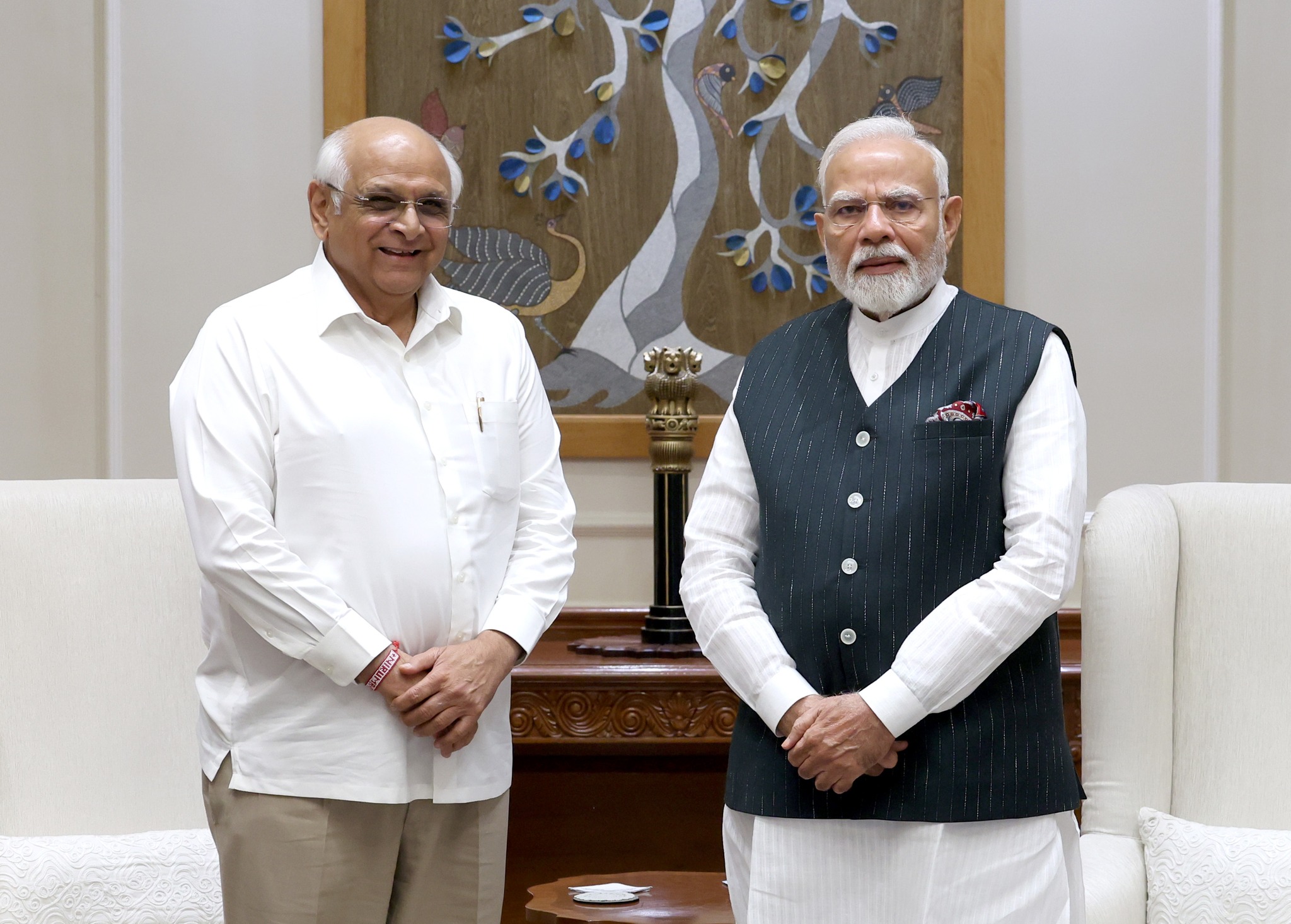
Chief Minister Bhupendra Patel welcomed the budget and emphasised its potential to accelerate industrial expansion in the state. He highlighted that sectors such as MSMEs, pharmaceuticals and semiconductors could gain from the allocations and policy focus announced by the Centre. He framed the budget as aligned with long term development goals and supportive of investment driven growth in Gujarat’s economy.
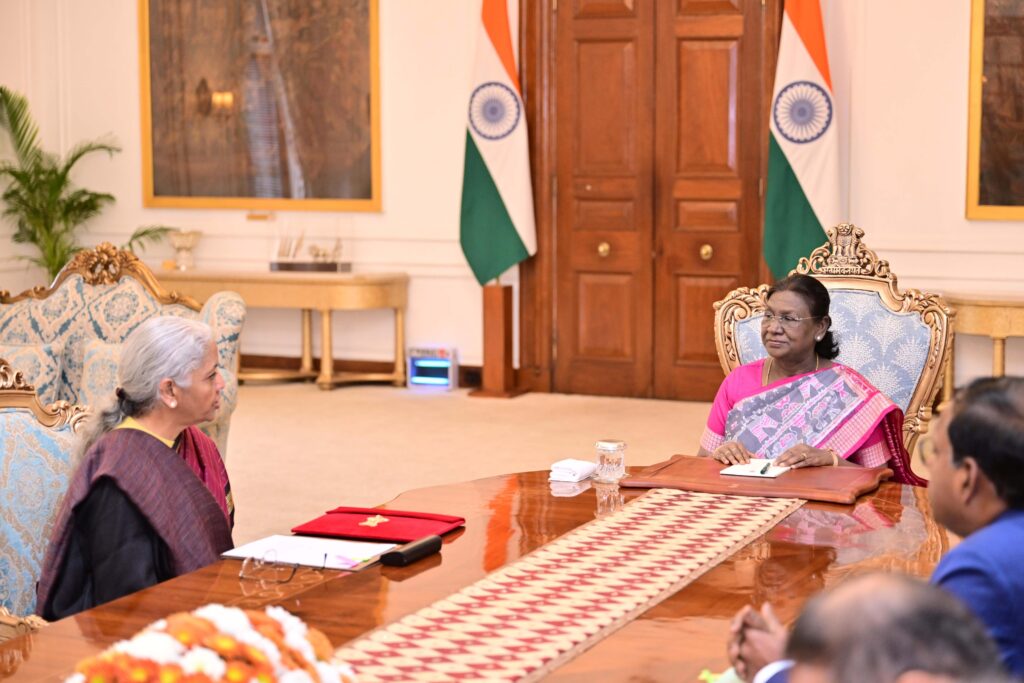
The state government has also indicated plans to align departmental strategies with national schemes. Officials discussed using central initiatives to strengthen manufacturing, agriculture, tourism, energy and skilling programmes. Policy planning included exploring a dedicated chemical park and advancing the state semiconductor mission in response to national funding allocations.
Patel further pointed to opportunities for MSMEs and financial services linked to GIFT City. According to the state leadership, these initiatives reinforce Gujarat’s role as a hub for innovation, financial services and industrial production.
At the national political level, reactions were more divided. Opposition voices criticised the budget’s overall priorities, arguing that broader economic concerns such as employment and inequality required more attention. These contrasting reactions shaped the wider political discourse around the budget, including debates involving state leaders across India.
Industry Leaders and Business Community Views
Business leaders in Gujarat largely responded positively. Many pointed to policy stability and tax certainty as encouraging signals for investment planning. Industry representatives across sectors such as gems and jewellery, real estate, healthcare and services expressed optimism that the investment push would strengthen long term growth prospects.
“The extension of the tax deduction window… coupled with a clearly defined 15 per cent tax rate thereafter, offers clarity and predictability that global financial institutions and investors look for when making long-term location and capital allocation decisions,” Sanjay Kaul, MD & Group CEO, GIFT City noted.
Export oriented sectors echoed similar sentiments. Trade leaders observed that frameworks supporting exports and industrial collaboration would help strengthen global competitiveness. In particular, the diamond and jewellery ecosystem in Surat could benefit from expanding opportunities in lab grown diamond exports and international trade engagement.
The Union Budget “sends a strong signal of long-term economic stability and growth,” and increased capital expenditure will “boost demand and support industries like automotive and manufacturing,” Shailesh Chandra, President SIAM and MD & CEO, Tata Motors Passenger Vehicles.
“The message is clear. Growth will come from building strength, not from shortcuts,” Somdutta Singh, Founder & CEO, Assiduus Global said.
“Freight corridors… waterways… and support for city economic regions all help goods move faster and more reliably,” she added.
Infrastructure and energy linked industries also welcomed the spending emphasis. Companies connected to petrochemicals, refineries and power supply viewed the budget’s support for chemical parks and carbon capture technology as creating future demand and investment stability. Increased capital expenditure was seen as improving industrial activity and project financing prospects.
Overall, the business response combined optimism with strategic caution. Leaders noted that execution and implementation would determine the actual outcomes of the policy announcements.
Several sectors connected to Gujarat’s economic strengths are positioned to gain from the budget’s direction.
Measures in the Budget “will accelerate investment, employment generation, and long-term economic resilience,” Sandeep Engineer President, Gujarat Chamber of Commerce and Industry said.
The Budget “lays out a strong roadmap” focused on manufacturing and reforms”. It focuses on “manufacturing, infrastructure, and structural reforms… while maintaining prudence,” Mihir Joshi Managing Director, GVFL said.
Manufacturing and MSMEs
The policy push toward domestic production and investment backed growth supports Gujarat’s strong manufacturing base. National initiatives targeting container manufacturing, capital goods and industrial equipment aim to create globally competitive production ecosystems.
Pharmaceuticals and Biopharma
Funding for biopharma research, clinical trial expansion and medical infrastructure is expected to enhance export competitiveness. Gujarat’s established pharma industry may benefit from these developments and improved regulatory support.
Semiconductors and Electronics
Expanded allocation under the semiconductor mission signals continuity in building domestic chip manufacturing capability. Gujarat’s semiconductor initiatives are aligned with this direction and are expected to attract investment and technology development.
Textiles and Rural Industries
Integrated programmes for textiles, skill development and fibre production are likely to support employment intensive clusters. Gujarat’s textile hubs could see modernisation and export competitiveness improvements through these schemes.
Infrastructure, Logistics and Energy
Higher capital expenditure and initiatives like freight corridors and waterways strengthen logistics networks. Industrial gas supply, petrochemicals and related sectors may gain from infrastructure expansion and chemical park development.
Gems and Jewellery
Trade policy developments and export frameworks create new possibilities for Gujarat’s diamond sector, particularly in emerging segments such as lab grown stones.
Balancing Optimism and Caution
While political leadership has largely projected confidence, industry stakeholders remain attentive to execution timelines. Past experience suggests that policy benefits often depend on implementation speed, regulatory clarity and funding flow.
Nevertheless, the combination of manufacturing incentives, export support and infrastructure investment aligns closely with Gujarat’s industrial profile. This alignment explains the generally favourable reaction among business groups and the proactive planning visible within the state government.
Conclusion
The response to Budget 2026 in Gujarat reflects both political endorsement and industry optimism. State leaders see the allocations as reinforcing development ambitions, while businesses anticipate expansion opportunities across manufacturing, technology and exports. The sectors most closely tied to Gujarat’s economic identity appear well positioned to benefit.
However, the ultimate impact will depend on delivery and coordination between state and central authorities. The coming years will reveal whether the expectations voiced by politicians and business leaders translate into measurable economic gains for the state. If you enjoy reading such reactions from Gujarat state leaders then stay tuned with us on Gujpreneur.