Gujaratis are an enterprising business community in the United States. Their significant presence is notable in the motel industry, where the Indian-American citizens take life risks to run their businesses successfully. This ability has not just allowed them to survive in the motel business but also to become the undisputed kings in the sector.
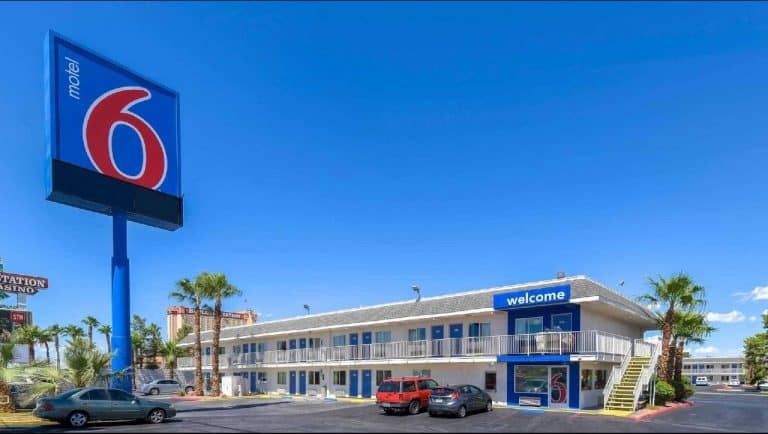
Notably, in the United States, over 60% of Indian-Americans own motels, with 80% of the owners coming from the districts of Anand, Surat, and Navsari. It is highly likely that people will find a Patel family behind the reception of highway stops and small towns like Royal Motor Inn, Sunset Lodge, or Budget Inn.
When Did Gujaratis Begin Motel Business In US?
The Gujarati community began setting up motel businesses in the US, in the early 1970s. With little education and an instinct for trade and survival, the Gujaratis saw this opportunity, says Paresh Mistry, a motel owner and community observer based in Los Angeles, to India Today.
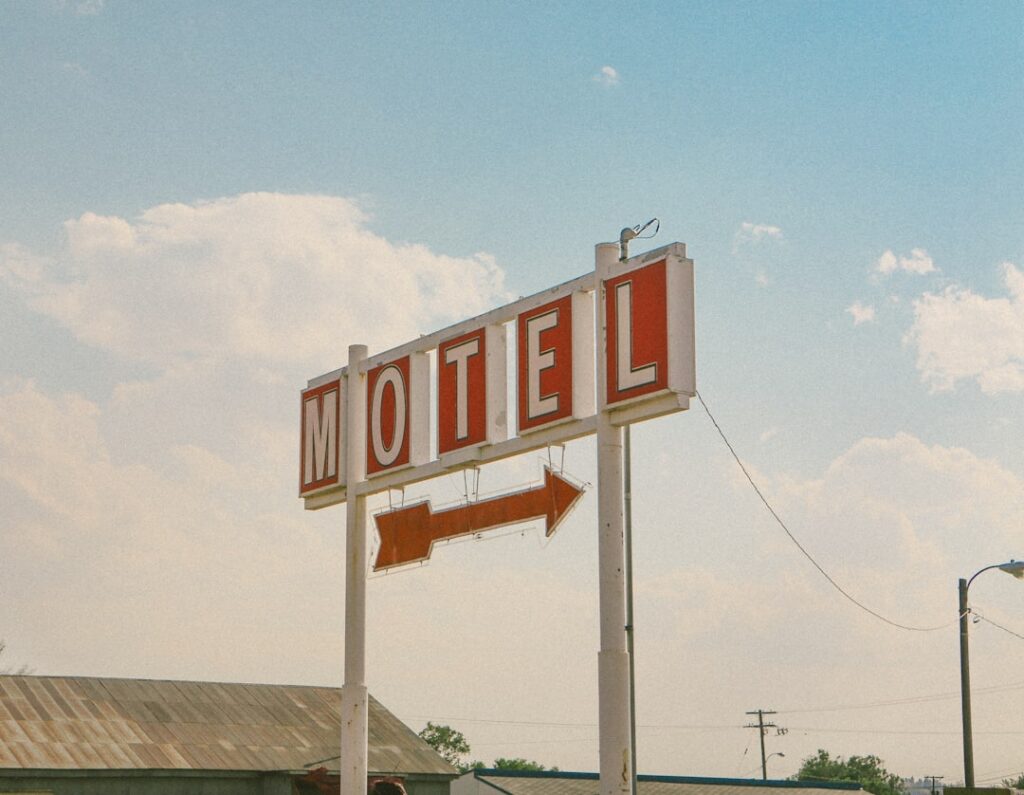
Over the years, the motel business has changed shape. It began as an affordable business as the owners bought rundown roadside inns in remote locations and managed them as families before turning it into a multi-billion dollar empire over the next five decades. Most of the Gujarati families in the motel business stayed in the property, cleaned rooms, and managed front desks before reinvesting every penny into the business.
“In hotels, you are able to stay with your family 24 hours, which is our culture,” says Patel. “We see more success because we work more hours and value the opportunity,” he added.
Staying in the motel — behind the lobby or upstairs — exposes the Gujarati motel owners to risking their lives due to racism, gun violence, and arguments resulting into deadly confrontations.
How Risky Is Motel Business In US?
With the increasing risk in the motel business, Gujarat entrepreneurs have adapted to the change by installing bulletproof glass at the reception and keeping only adequate cash to hand over to the robbers.
“In Los Angeles, the population is dense and diverse. Some young people are into robbery or theft—it’s not about Indians; anyone can be targeted,” he says. “If you argue or act rude with someone who is unstable, it is dangerous. You have to stay calm,” he adds.
“Be polite and cool with guests,” says Mistry. “A few hundred dollars won’t make a difference. If someone comes to rob you, give them whatever you have. Call the cops later. Never keep too much money in the cash box and also never keep it empty.”
The Asian American Hotel Owners Association (AAHOA) has raised an alarm on the issue, but the Indian motel owners don’t seem much affected by it. “Racism is everywhere—in every part of the world,” says Mistry. “We have it in India too. This is no different,” he said.
“Criminals target anyone—Beverly Hills jewellery stores, suburban shops. It’s not about race. It’s about opportunity,” he said.
As per a Mumbai-based sociologist, the Indians don’t attribute the deadly scenario to racism, and live in denial.
“Many Gujaratis, particularly first-generation migrants, prefer to attribute misfortune to karma or destiny rather than systemic bias. It’s a survival mechanism that allows them to keep doing business without fear consuming them,” the expert said.
Increasing Death Rate In Motel Business
In the last few months, the death toll has risen in the motel business in the US. It is remarkable how Gujaratis are still staying firm in their business without making a fuss. Recently, two separate killings were reported from Pennsylvania and North Carolina.
A motel owner in Pennsylvania, Rakesh Patel, was shot dead earlier in October while he tried to check the disturbance in his premises. In the same week, a double murder of two Gujaratis was reported from North Carolina.
A Texas-based motel owner, Devendra Patel, has rejected the claims stating that these killings were racially motivated. “When you hear a gunshot, you must move away and protect yourself and others by calling the police. He stood there still, and was shot dead from point-blank range. The real story, we don’t know. But it didn’t look like racism at all,” he said.
“Criminals have nothing to do with race,” says Mistry. “It’s just their mindset. Every day, homicides happen here. More police are killed than Indians. But the Indian media covers only what relates to India.”
Mistry has advised youngsters to be aware of the current situation in US before heading here. “If you want to come here, be aware and pick only clean businesses. Don’t go after quick money. You can make money later. We from India come here to a different culture—a culture that doesn’t have patience. People get killed for no reason (in America). So, I wouldn’t discourage newcomers into the motel industry, but warn them instead.”
Gujaratis have shown that dhando is not just about profit-making but also persistence in the US. We at Gujpreneur enjoy narrating such stories and we hope you enjoy reading it too!