When people talk about travelling to Kutch, the conversation usually starts with visuals — endless white salt deserts, cultural performances under the open sky, colourful tents, and photographs that look almost unreal. For many visitors, the Rann Utsav is a bucket-list experience.
But once you spend time there not just visiting, but observing you realise something deeper. The real story of the Rann Utsav is not only about tourism. It is about livelihoods and planning. It is about how local Gujarati dhandho quietly sustains families, communities, and traditions.
This is the story of how the Rann Utsav helps Kutchi artisans, vendors, and small businesses thrive not through shortcuts, but through structure, patience, and respect for local enterprise.
Rann Utsav: When Tourism Becomes a Business Season
For a tourist, Rann Utsav might last a weekend or a few days. For local entrepreneurs, it defines the rhythm of an entire year. Months before the first tent is set up, preparation begins across villages in Kutch. Artisans start working on embroidery and handicrafts. Vendors begin sourcing raw materials. Transport providers, guides, and homestay owners plan availability and pricing.
This is not random activity. This is seasonal business planning the Gujarati way. Every decision is calculated because this season supports families long after the festival ends. Income earned here often carries households through months when demand is otherwise limited. This is tourism functioning as an economic backbone, not just a celebration.
Kutchi Artisans: Where Craft Becomes Confidence
Kutchi handicrafts and embroidery are deeply rooted in tradition. The skills are passed down through generations, often within families. What has historically been missing is consistent access to buyers who value both the craft and the effort behind it.
Rann Utsav changes that. During the festival, artisans interact directly with visitors from across India and even abroad. There is no aggressive selling. No complicated marketing. The work speaks for itself. A visitor does not just buy a product they hear the story behind it. That interaction builds trust and appreciation.
For many artisans, the income earned during Rann Utsav supports:
- household expenses
- children’s education
- future production planning
But beyond income, something more important happens confidence. Confidence that their work has value beyond local markets. Confidence that their skills are relevant even in a modern economy. This quiet confidence is where long-term inspiration begins.
Small Vendors: The Invisible Pillars of the Festival
While artisans often get attention, the Rann Utsav ecosystem is also powered by hundreds of small vendors who rarely make headlines. Tea sellers who open their stalls before sunrise. Food vendors who manage supplies daily.
Snack sellers, transport drivers, temporary shop owners, and helpers. These micro-businesses operate on thin margins, but during the Rann Utsav, demand becomes steady and predictable. For many families, this seasonal income becomes working capital for the rest of the year.
School fees, medical expenses, home repairs many of these are planned around this season. This is not tourism consumption. This is tourism participation in the local economy.
Women Entrepreneurs and the Power of Visibility
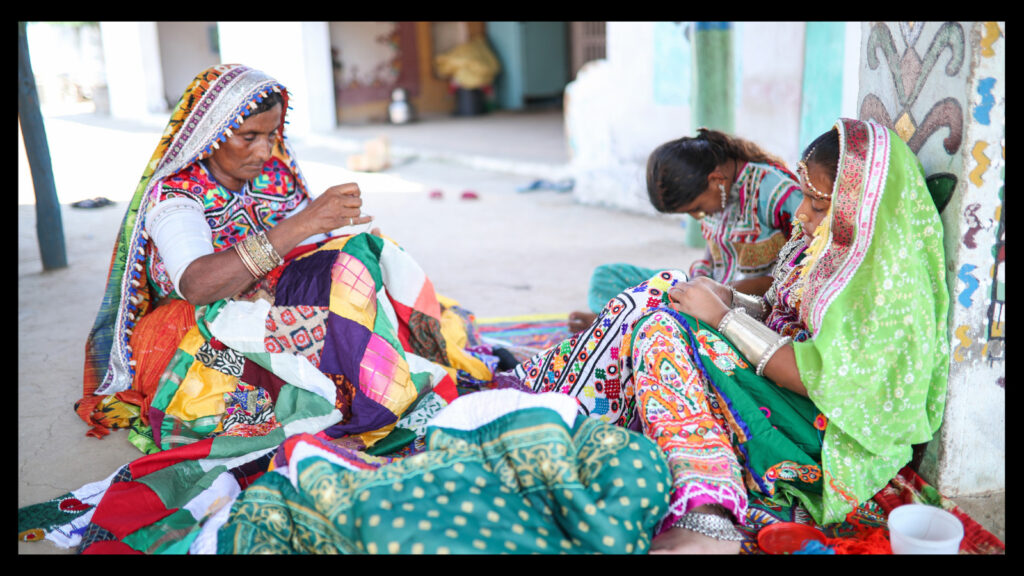
One of the most meaningful outcomes of the Rann Utsav is the platform it provides to women-led enterprises.
Many Kutchi women who earlier worked quietly within their homes now interact directly with customers. They explain their craft, discuss pricing, and handle payments. Over time, they build confidence not just as artisans, but as entrepreneurs.
Some move towards independent branding. Others strengthen collective models that allow multiple women to earn together. This growth is slow and intentional. There is no rush, no hype. It mirrors the Gujarati approach to business steady growth, controlled risk, and long-term sustainability.
Planning Over Luck: Why This Ecosystem Works
The success of the Rann Utsav ecosystem is not accidental. Production is aligned with realistic capacity. Artisans do not overproduce. Vendors stock based on expected footfall and past demand. Transport and logistics are planned carefully.
Cash flow is respected. Expansion is considered only when it makes sense. This discipline reflects how many Gujarati family businesses and startup founders operate. Growth is welcomed, but only when the foundation is strong enough to support it. This planning mindset is what makes the Rann Utsav sustainable year after year.
Beyond Handicrafts: A Chain Reaction of Local Growth
The economic impact of Rann Utsav does not stop at the festival grounds. Local farmers supply produce. Tailors get work. Packaging vendors see demand. Local transport networks remain active. Each layer supports another.
This chain reaction ensures that tourism benefits do not remain limited to a single group. Instead, value flows across the region, strengthening multiple forms of local dhandho.
Why Visiting the Rann Utsav Matters More Than You Think
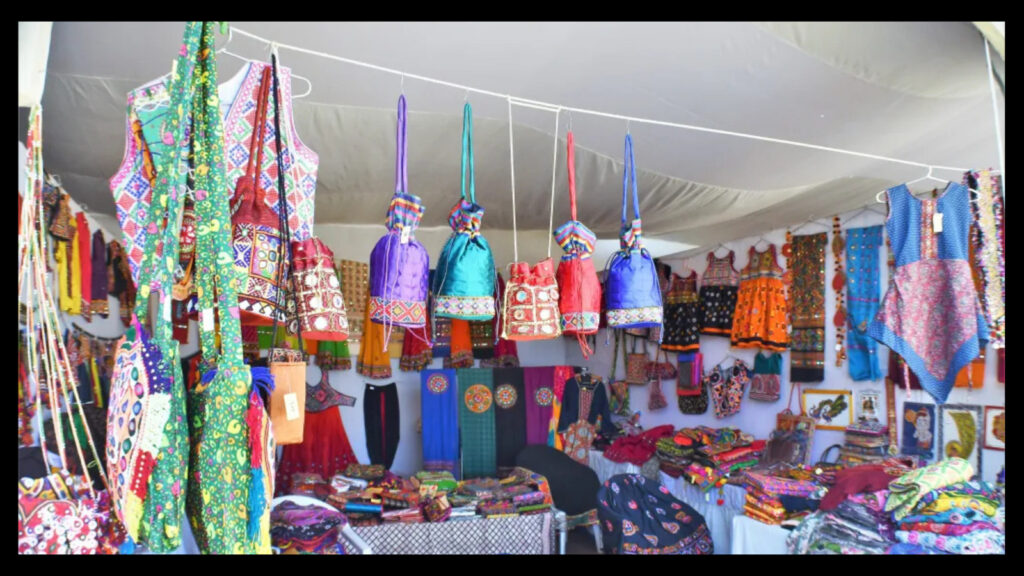
When you visit the Rann Utsav, you are not just travelling to a destination. You are stepping into an ecosystem. Every purchase supports an artisan and every meal supports a vendor. Every booking strengthens a small business.
This is tourism that gives back not through charity, but through participation. For visitors, this creates a deeper connection with the place. For locals, it creates dignity and sustainability.
Lessons for Entrepreneurs Beyond Tourism
There is a powerful lesson here for entrepreneurs across industries. Growth does not always require technology, heavy funding, or aggressive scale. Sometimes, it requires:
- the right platform
- respect for skills
- community involvement
- demand-led planning
This is entrepreneurship at the grassroots level resilient, rooted, and realistic.
Final Thought
The Rann Utsav is not just a celebration of culture. It is a living example of how tourism, entrepreneurship, and community can grow together.
Stay connected with Gujpreneur for more inspiration and updates from the world of entrepreneurs.