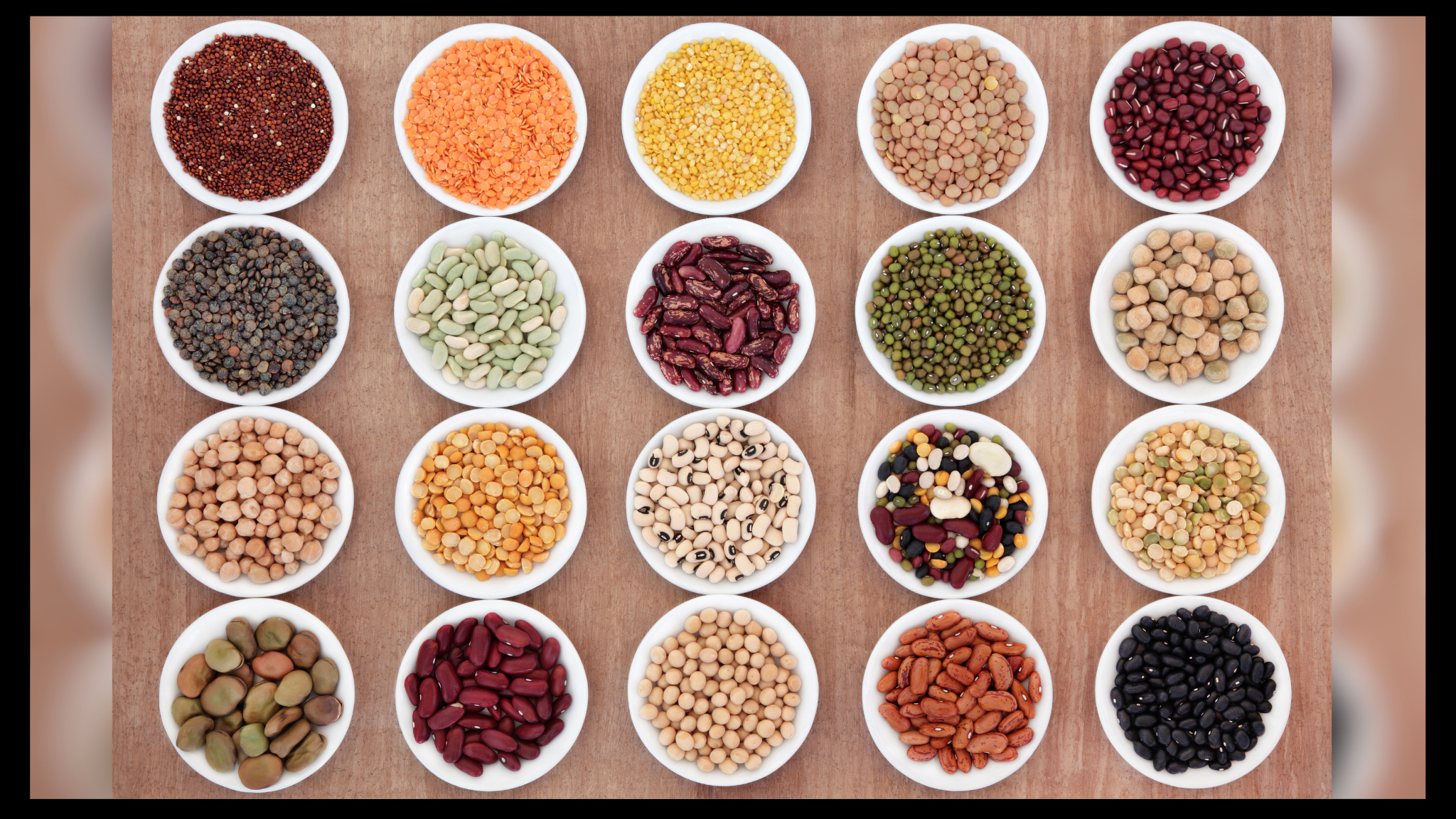
Pulses are part of daily life across India, but they are also big business – especially in Gujarat. On World Pulses Day, it’s a good moment to look beyond just dal on the plate and focus on how pulses connect farmers, processors, startups, logistics, and even exports. What is taking place in Gujarat is neither dusty nor old school; it is practical and evolving, and is more focused on exports. It is an approach that is first taking shape in the fields and the mandi yards and is now stretching as far as the packaging lines, and processing clusters, and international clientele.
In Gujarat’s dry and semi-arid climate, pulses offer farmers a dependable crop. In recent years, both pulse area and output have risen significantly. Gujarat doubled its pulse production as cultivation area and productivity went up between 2019-20 and 2024-25. Chickpeas alone jumped from 6.36 lakh tonnes to 15.63 lakh tonnes and accounted for over 70 % of total pulse production.
Where It Begins: Pulses Farming Town in Gujarat
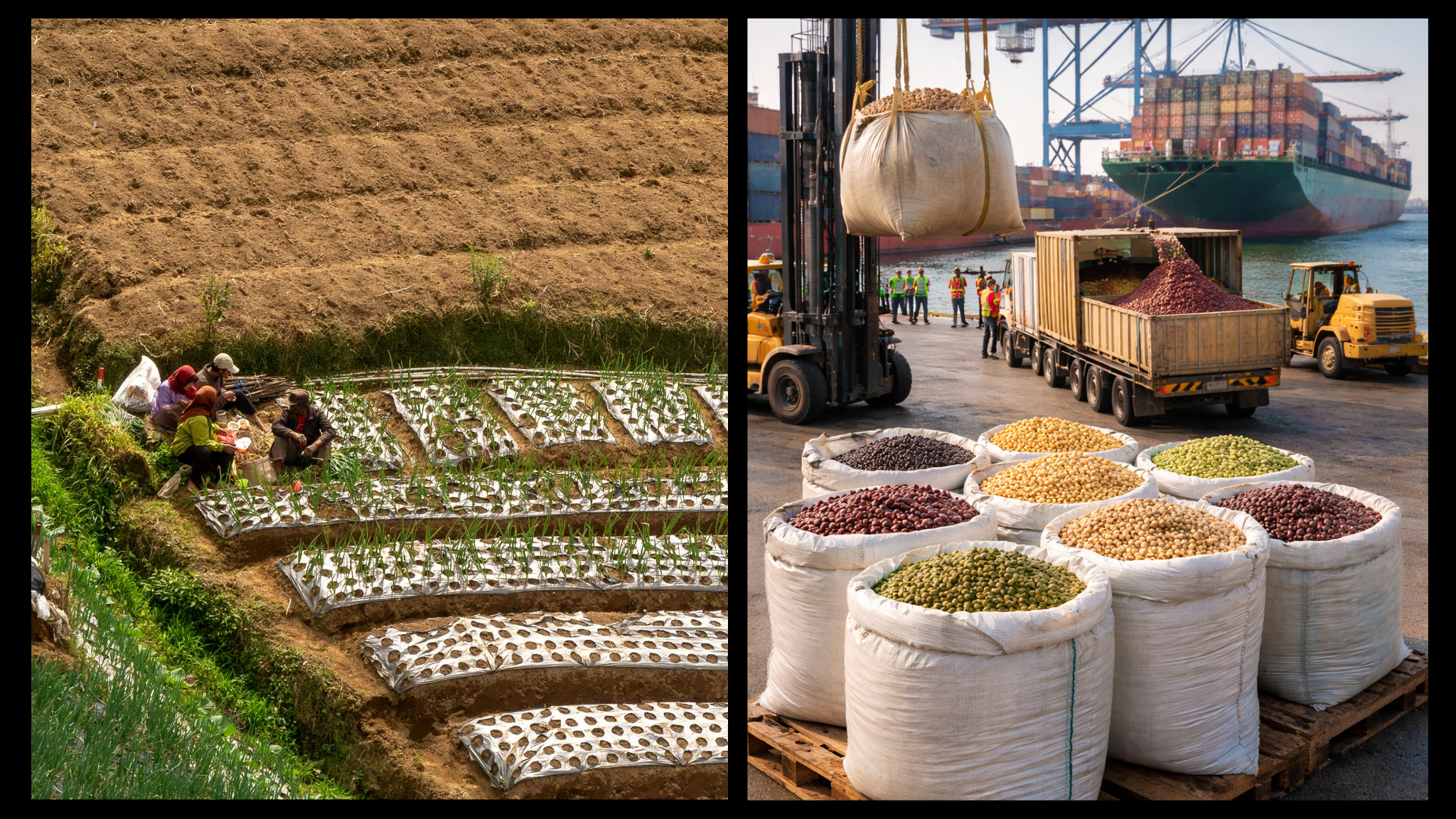
In Gujarat, the pulses and chickpeas farming is done in accordance with the rainfall and the soil, considering the drought resistant pulses and chickpeas. The pulses, tur, chickpeas and moong are grown in plenty in the semi-arid areas of Banaskantha, Sabarkantha, Rajkot, Junagadh and parts of Kutch. These crops provide a source of livelihood to farmers and stimulate the rural economy by providing crop alternatives to farmers to reduce the growing of water-consuming crops.
Farmer Producer Organisations (FPOs), cooperatives, and village aggregators play an important role here. Small farmers bring grain together under these collectives so that they can access bigger markets, negotiate better prices, and reduce post-harvest losses.
Pulses provide farmers with:
- A dependable crop that requires little irrigation to grow.
- A buffer against cash flow challenges caused by irregular monsoons.
- Rotational benefits that improve soil health.
From Raw Grain to Ready Supply: Processing and Packaging
The transformation of pulses begins when they move from farms. The state of Gujarat houses numerous dal mills that clean, split, grade, and polish pulses for retail and export.
Most of these mills are small and medium enterprises (SMEs), and many have been in the business for generations. Over the years, most have modernized their mills and installed packaging lines for converting bulk dal to branded products.
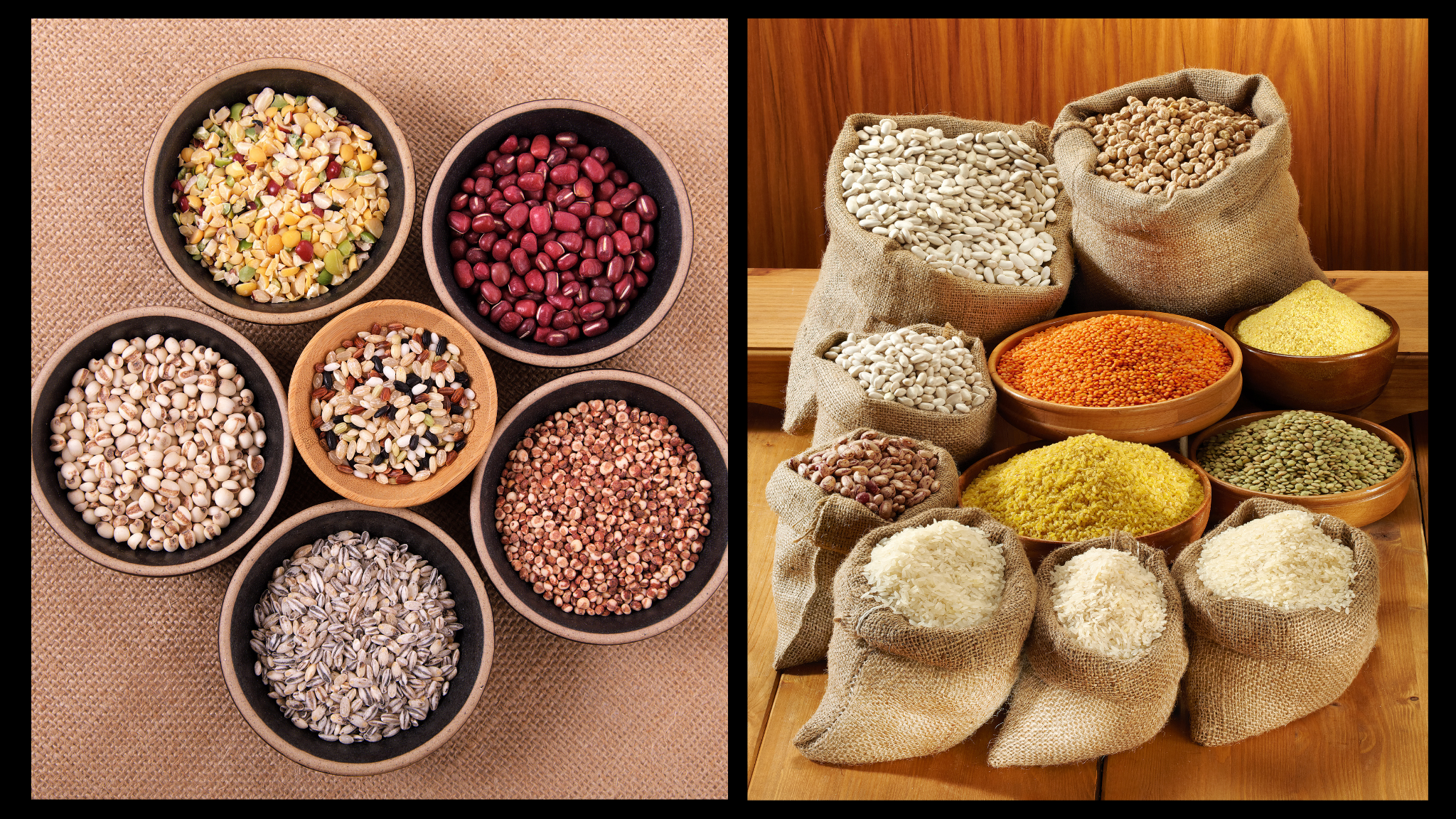
They clean and grade by splitting and polishing the dal to uniformity, and packaging and branding to allow pulses to penetrate organized retail and online markets. This transformation of unbranded bulk dal to branded packets has also allowed Gujarat processors to regain consumer trust and enter new export markets.
The Logistics Layer: How Pulses Move in Gujarat
The Transport network of Gujarat plays an important role to facilitate the connection of production belts to the ports. Pulses and their products can easily be exported to Middle Eastern, African and South Asian countries via the ports of Kandla and Mundra. Also, a network of real-time tracking logistics, warehousing, and cold (for processed and packed goods) storage helps maintain the quality of and reduce the costs of the goods.
The main points here are:
- Better connectivity speeds up delivery to markets.
- Ports give access to global buyers.
- Warehouses and modern storage reduce losses.
Startups Turning Pulses into New Business Models
In the previous years, more entrepreneurs have been making innovative applications in the traditional pulse value chain in Gujarat. Some have created packaged pulse and pulse food products, others branded pulses/dal and some value added mixes.
Here are five Gujarat companies/startups contributing to the pulse ecosystem – either through products, processing, or supply support:
1. Punit Proteins Pvt Ltd – Vadodara
A long-standing name in pulse processing and supply, Punit Proteins works with farmers and processors to supply Indian pulses domestically and abroad. Their plant focuses on high-quality grains, meeting international standards.
2. Reliance Pulses – Himatnagar
Reliance Pulses is an exporter of pulses in dal toor, urad, moong and masoor. They maintain a good quality and source it from the best region which is then sold with branded packaging to appeal to retail and bulk purchasers.
3. Jasvish Enterprise – Surat (Exporter)
Jasvish Enterprise from Surat is focused on exporting Indian grains and pulses after sourcing and packaging them for various countries abiding by the export regulations on quality control.
4. Dipak International – Rajkot (Exporter)
Dipak International is the international trader of Indian pulses especially chickpeas, moong dal, urad dal and is thereby offering Gujarat the opportunity to enter the International Legume Market.
5. Raja Pulse Mill – Savgadh (Sabar Kantha)
A local mill that handles processing and sorting for premium pulses, Raja Pulse Mill supplies high-quality products for both domestic retail and export.
Each of these names shows how the old pulses trade has modernised – combining production, processing, packaging, and export readiness into newer business models.
Export Opportunities: Gujarat on the World Map
Thanks to processing capacity and better logistics, Gujarat is not just selling pulses inside India – it’s sending them around the world. Markets in the Middle East, Africa, and South Asia have long tasted Indian pulses, and now they are adding brands and packaged goods from Gujarat to their demand lists.
Exporters have to meet strict quality standards, document phytosanitary certificates, and ensure consistent supply – and many Gujarat players are already doing this well. The result: pulses from Gujarat now earn foreign exchange, attract international buyers, and build long-term trade relationships.
How MSMEs Are Winning in Pulses
Small and medium enterprises are at the heart of Gujarat’s pulse business. What makes them successful is not luck, but smart execution:
What many of them do well:
- Source directly from farmer collectives to cut middlemen.
- Invest in basic processing for consistent quality.
- Brand and package pulses for urban retail and exports.
- Use government schemes like PMFME for support in branding and technology upgrades.
As a result, small dal mills and processors are becoming recognised names in national wholesale markets and international tenders too.
Challenges That Still Need Attention
There are still numerous issues in Gujarat’s pulses ecosystem:
- Price Volatility: Farmgate prices are subject to significant seasonal variation.
- Storage & Wastage: Pulses lose value when processed due to a shortage of modern warehouses.
- Capital Access: Small mills struggle to acquire financing for technological improvements.
- Certifications & Exports: Meeting export protocols increases costs and complexity.
Conclusion
On World Pulses Day, we should view pulses as a complete business ecosystem and not just food. Gujarat’s pulses business connects farmers, processors, startups, and exporters, showing how a staple crop can become a complete economic ecosystem. From dryland farms in Banaskantha to export orders hitting foreign ports, pulses are no longer just food – they are business assets.
For Gujpreneur-minded entrepreneurs and MSME builders, this is a reminder: traditional sectors like pulses still have room for smart business models, better packaging, and export-ready products. If you look beyond the plate, there’s a full supply chain waiting to be improved – from seed to supermarket, and from Gujarat to the world.
Stay tuned with Gujpreneur for more on agri-business and export-driven growth.