People often say that Gujaratis possess exceptional business acumen from birth. Give them a product or service, and they will know how to find the right buyer, right channel, ideal geography, and the potential of the said business. But do the old methods still sell to this new generation? In short, no. Sales Principals remain, but the approach has changed a lot.
From dairy cooperatives to disposable razors, from children’s toys to industrial pipes, Gujarat has produced an extraordinary number of brands that, although started locally, have established their business as leading national brands.
Let’s take a look at some regional brands that have made national headlines and the smart marketing strategies they are using.
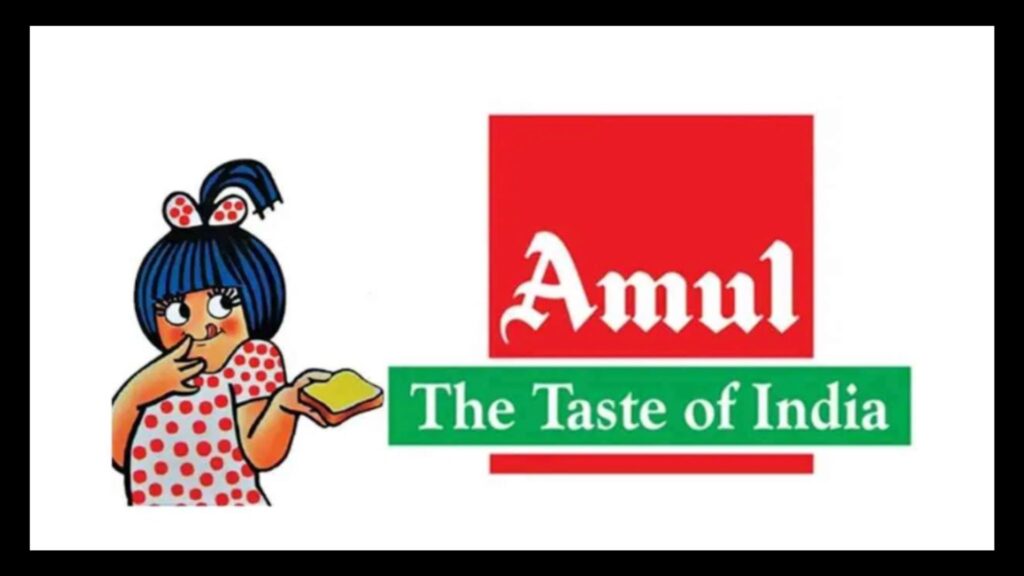
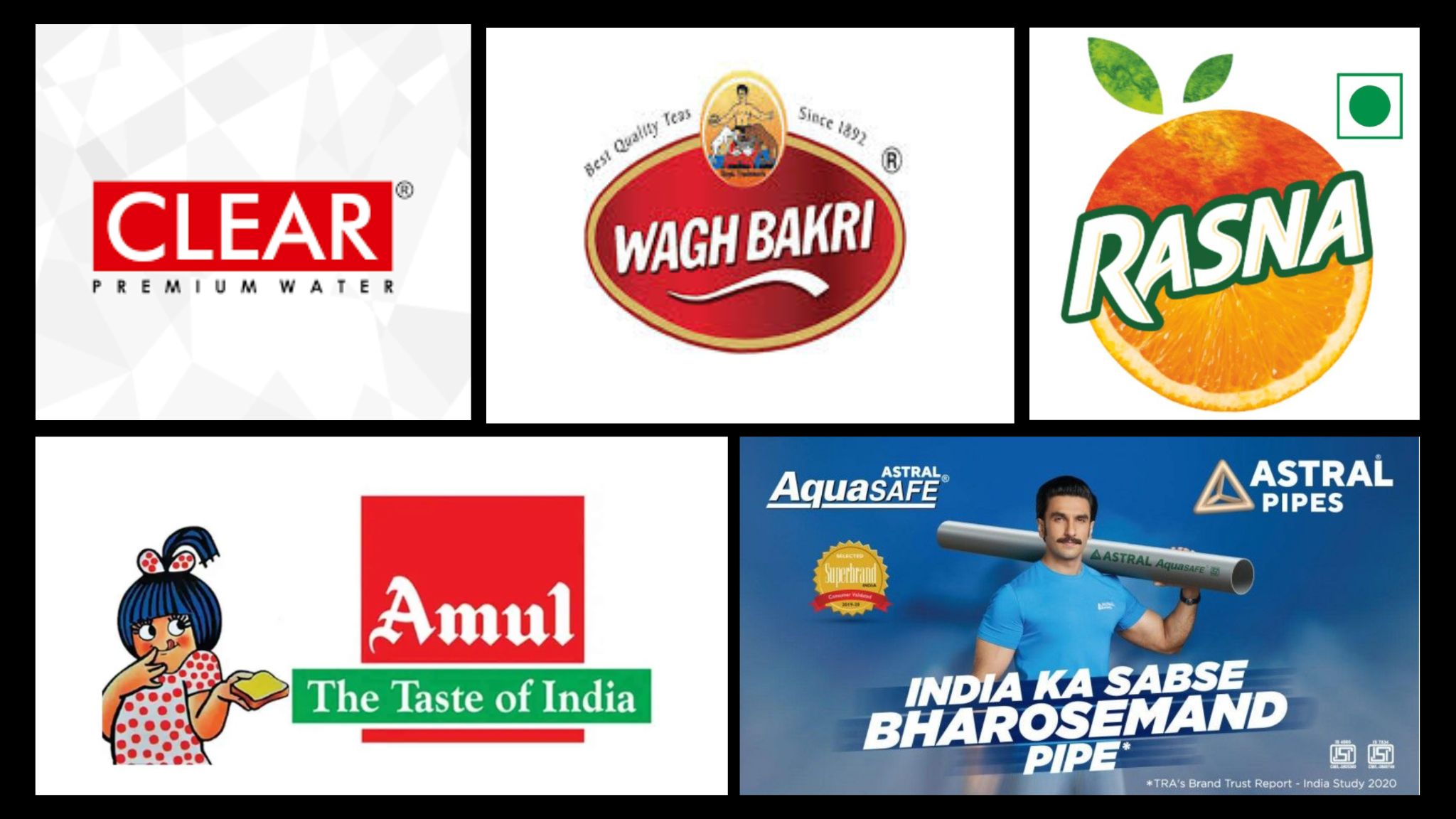
Amul – The Taste of India
Any conversation about Gujarat businesses with national impact is incomplete without mentioning Amul. The brand was started as a farmer’s cooperative under the visionary leadership of the late Dr Verghese Kurien. Amul became the driving force of India’s White Revolution, transforming India from a milk-deficient nation to the world’s largest milk producer.
When expanding the product line, the stakeholders at Amul were worried. “What if the new products don’t perform well? What if the failure of the new product line also takes down already popular milk products?
And so, to mitigate the risk, Amul followed the route of Umbrella Architecture, wherein they introduced curd and buttermilk under the Masti label, ditching the parent brand’s language. When this experiment worked well, Amul followed suit, giving each of its new product lines an individual identity, allowing it to compete across dozens of categories while protecting the parent brand’s equity.
Then there is the iconic Amul Girl brand mascot, which the brand uses for its topical hoardings. From sports to politics to Bollywood, the Amul girl always has a witty take on everything, with timing that probably no other brand or social media team can replicate.
“We have always believed in being a content creator rather than an advertiser. Brands can leverage social media by creating engaging content which would be appreciated by their consumers.”
—Jayen Mehta, MD–GCMMF, Amul
Wagh Bakri – Hamesha Rishte Banaye
Wagh Bakri’s iconic logo and name depict Wagh and Bakri, A tiger and a goat sipping a cup of tea together. Symbolising social equality. Wagh Bakri’s marketing brilliance lies in its emotional positioning of Chai as a ritual of connection. Instead of directly competing with fellow brands, Wagh Bakri consistently markets its tea as an experience, a conversation over a cup of tea, a cosy cup before a busy day.
After dominating Gujarat, between 2003 and 2009, Wagh Bakri eyed national and global expansion. Even though the brand name was unfamiliar to their new audience, the brand’s fresh communication sparked curiosity, and superior taste sparked loyalty.
“There used to be a time when television was the main medium, earlier than that, print. Now, mobile is the main medium. Everywhere, marketing creative has worked along with the evolution of media.” Parag Desai, Executive Director, Wagh Bakri
Tea Lounges: A Refined Tea Experience
Recognising the growing cafe culture in India, WaghBakri launched Tea Lounges, offering a variety of flavoured teas and a premium tea-consuming experience.
Rasna: I Love You, Rasna
Pioma Industries launched Rasna in the early 1980s, with a simple vision to offer an affordable, convenient and flavourful drink that every Indian family could enjoy. This simple idea made the joy of a cold-flavoured drink accessible to middle-class and lower-middle-class Indian families who couldn’t afford bottled soft drinks.
Strategically, the brand offered a budget product, a small sachet that makes multiple glasses of flavoured drink, while hitting hard on nostalgia.
Their “I love you, Rasna” was no normal campaign; it defined a generation of Indian childhoods and demonstrated the power of emotional recall over rational messaging. The brand spoke directly to children, the biggest influencers of FMCG purchases.
Over the years, the brand has consistently reinvented itself, launching a portfolio of products and penetrating international markets across 60+ countries.
Piruz Khambatta, Chairman & MD, Rasna, says that he does not believe in one channel strategy for their media mix. He says, “TV helps build recall—no major brand has been built without it, even YouTube-led brands rely on TV for a boost. For conversions, social media is vital.” Print too is crucial, especially in trade communications and regional markets.”
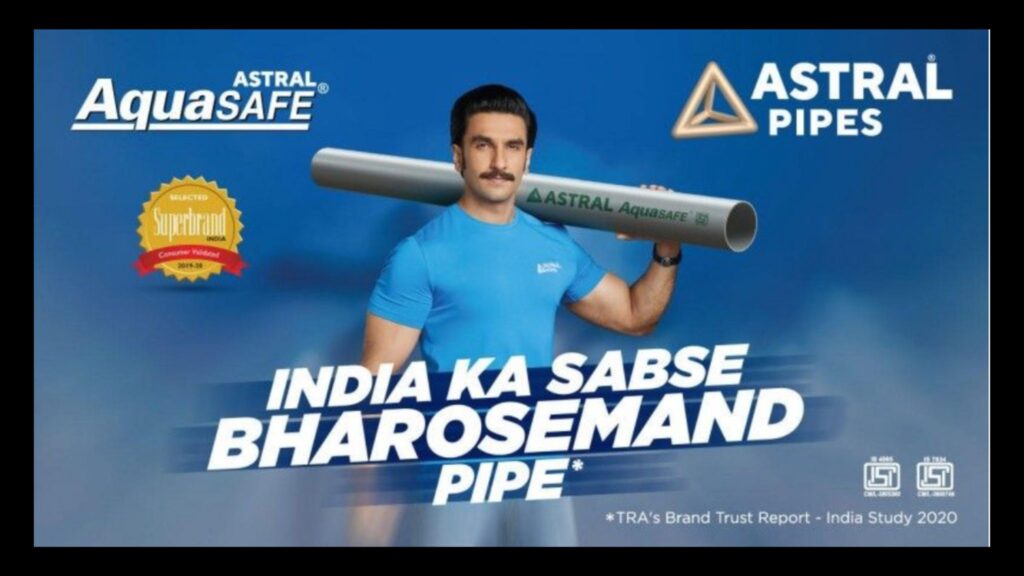
Astral Pipes – India Ka Sabse Bharosemand Pipe
From a marketing stand-point there are very few categories that sound very interesting, plumbing pipes may not be one of them, yet Astral Polytechnik, born in Ahmedabad, has built India’s most valuable building materials brand. While at it, they also reinvented the B2B consumer marketing for industrial products.
Plumbing pipes are an invisible product; once installed, the consumer never sees them again. Even the purchase decision is almost driven by the plumber or contractor, a key influencer in this value chain. The brand heavily invested in
a) massive dealer network
b) relationship-building program with plumbers and contractors
c) Consumer advertising roping in big Bollywood names
Initially, the brand’s strategy was focused on product innovation, educating plumbers and contractors, and overcoming market scepticism. Leveraging their first-mover advantage, they used an “innovation-first” approach as their core communication. Within less than a decade, they were already eyeing national expansion.
When they had a solid foundation, they aggressively built further by roping in top-listed Bollywood celebrities that aligned with the brand’s personality. For example, their collaboration with Salman Khan helped establish Astral Pipes as Dabangg Pipes. Partnership with Allu Arjun cemented this persona, while Ranveer Singh’s presence helped them incorporate a quirky tone in their communication.
Kairav Engineer, VP-Business Development, Astral, once noted that when Astral began advertising, the company started recording 45% consistently, year on year. “There are two things that work well in this country: Cricket and Bollywood. We decided to tap into both by having Salman Khan as our brand ambassador since 2014,” says Kairav.
Renee Cosmetics – Nazar Na Lage
Founded in 2020 by Ashka Goradia Goble and Priyanka Gill, Renee Cosmetics is a very fresh example of how Gujarat’s entrepreneurial culture is adapting to the digital age. In just a few years, the brand has built a loyal following through an aggressive D2C strategy utilising social media, influencer marketing and innovation.
Keeping up with the fast-paced market, the brand focuses on rapid and innovative product launches targeting modern Indian consumers. Renee has backed its social media presence with influencer campaigns and Celebrity association with big names like Mrunal Thakur and Rashmika Mandana.
“Celebrities bring scale and recognition, but consumers are equally inspired by influencers who feel relatable. Our strategy is to balance both marquee faces like Rashmika, which help us build aspiration, while influencer-driven conversations give us credibility and community,” says Ashutosh Valani, the co-founder of Renee Cosmetics.
Clear Water – Make A Clear Choice
How does one penetrate a market as fundamental as drinking water, which is already saturated with legacy players that have earned customer loyalty through decades? Clear water cracked this tough nut. Founded in 2010, the Ahmedabad-based water purifier brand started with producing 700 bottles a day and now delivers over 20 lakh bottles daily. The brand focuses on rapid expansion with 20% ATL and 80% BTL budget split, prioritising high visibility and even custom-branded labelling for the HoReCa segment.
What did they do differently? Incorporating the restaurant, hotel or cafe’s logos in the label, along with their own branding. This helped them offer a premium experience to the customer while promoting both the restaurant and the water brand. The company also uses on-ground activations, POS and promotional schemes to further expand the distributor network.
Partnering with Hritik Roshan with the targeted message “Desh ki Clear Choice” was a key move that helped them stand out from their competitors, while their brand positioning consistently helps them cater to a premium set of audience.
“The media mix for Clear Premium Water will indeed be a blend of traditional and digital platforms. The digital strategy will include social media campaigns, influencer collaborations, and content marketing that highlights the brand’s sustainability initiatives and premium offerings,” says Nayan Shah, Founder & CEO, Clear Premium water.
Stay with Gujpreneur to decode the strategies behind India’s most trusted names.