When you walk through the streets of Patan in Gujarat, it feels like stepping into history. The old houses, the smell of warm food from kitchens, and the sound of weaving looms create a peaceful atmosphere. The walls and windows look old but proud, and the people move with calm confidence. Among all this, something catches every visitor’s attention at Patola sarees.
But another thing is also visible, and that’s plastic waste. Tiny wrappers near shops, plastic bags on the roads, and non-recyclable packaging being thrown away. This creates a strange contrast. The Patola saree is made with love and hard work, while the plastic around it harms nature.
This idea has now started a new direction: Plastic-Free Patola.
So now a new question is arising.
Can Patola weaving become plastic-free and environmentally friendly?
The Story of Patola
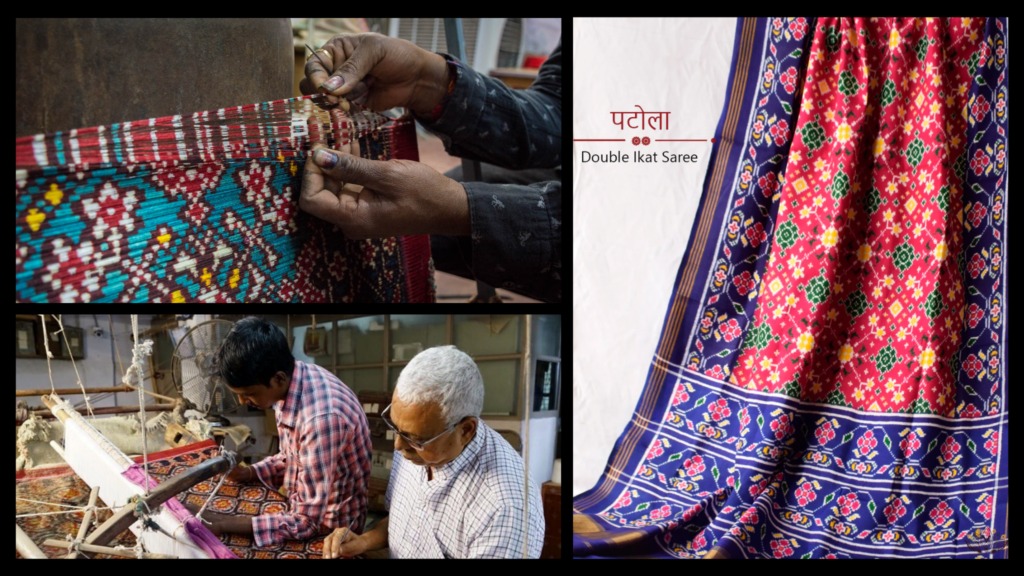
Patola weaving is one of India’s oldest textile arts, over 900 years old, made with the rare double ikat method, where both threads are dyed before weaving.
Because every colour must align perfectly, one saree can take six months to a year to finish.
Earlier, Patola was created with pure silk and natural dyes, but modern demand brought synthetic materials and plastic packaging. Now, many weavers are returning to traditional, eco-friendly methods, keeping Patola alive as true slow and mindful fashion.
Who Is Making Plastic-Free Change in Patan
Many individuals and families in Patan are trying to make their craft more eco-friendly. Some have already changed their packing materials, while others are exploring natural dye processes again.
Below are some prominent makers who are already moving in a greener direction.
1. Patan Patola Heritage
Patan Patola Heritage is run by the famous Salvi family, who have been weaving Patola for many generations. Their workshop and museum are located in Salvi Wado, and visitors from all over India and abroad come to watch how Patola is made.
Their sarees are handmade and follow traditional methods. Many of their customers also request sustainable packaging. The Salvi family sometimes uses wooden boxes and reusable cloth bags when asked for eco-friendly packing.
Wooden storage protects silk well and reduces waste. While they still use some plastic layers for long-distance courier protection, they are open to adopting plastic-free options based on customer demand.
2. Patola by Prakash Bhai
This brand is well-loved and respected in the world of Patola weaving. Their sarees and dupattas carry rich colors, balanced patterns, and a long history of weaving tradition. i
Patola by Prakash Bhai has already taken a good step forward. Many reviews and buyer experiences show that they pack sarees in cotton bags and cardboard or paper-based boxes, instead of plastic.
The packaging feels premium but also eco-friendly. This gives a strong message.
Luxury and sustainability can exist together.
3. Sheetal Patola
A well-known Patola weaving family working since 1947, they have built a strong and trusted reputation over the years. You can explore their official website or reach out to them directly to learn about the kind of packaging they are using today.
They are slowly removing single-use plastic from packaging. Some items come in reusable cloth covers. While the transition is still ongoing, the intention is clear, and they want to honor the earth just as much as their art.
4. Sindhoi Patola Arts
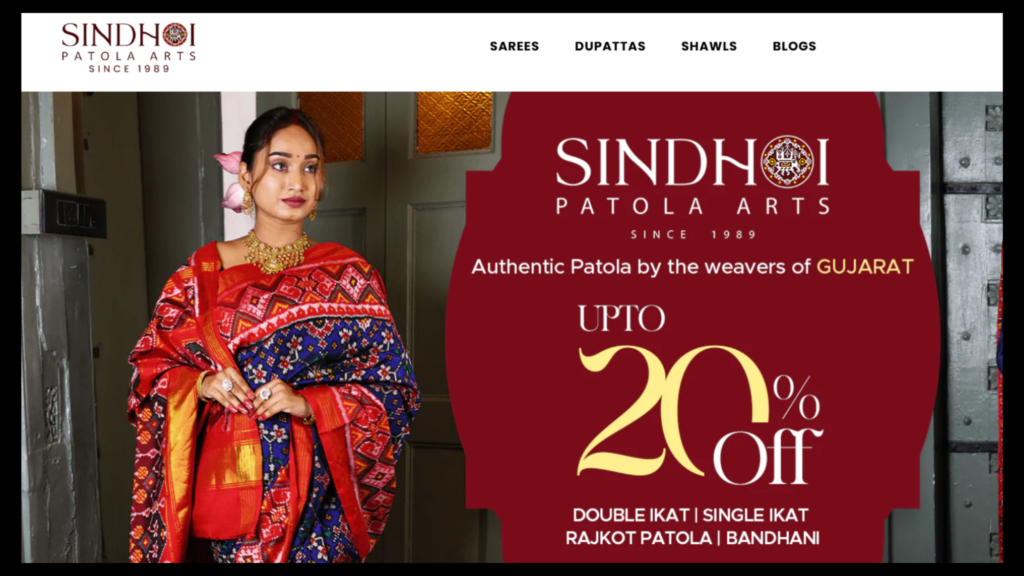
This seller says they use the best quality silk and natural dyes, which makes their products both rich in feel and friendly to the environment.
Patola pieces from Sindhoi Patola Art are usually free from plastic because they are made the traditional way using natural fibres like pure mulberry silk, and sometimes blends of wool or cotton. They also rely on colours made from plants, flowers, roots, and minerals, keeping the entire dyeing process close to nature.
5. Madhvi Handicrafts
The Patan Patola silk sarees from Madhvi Handicrafts feel less like clothing and more like handcrafted works of art. They also focus on keeping their work as close to nature as possible by avoiding plastic in their process and choosing natural, eco-friendly methods.
From handweaving each thread to using sustainable materials, Madhvi Handicrafts supports a plastic-free environment while keeping the true spirit of Patola alive. Their brand shows that small changes made consistently can create a big shift.
Buying Directly from Weavers
If someone travels to Patan and buys directly from the weavers, the experience becomes very personal. The workshop is usually inside the house. The loom is old, sometimes passed down through generations. Silk threads hang on one side, and dyes are drying somewhere nearby.
Most weavers pack sarees in simple cotton cloth or paper. Sometimes, out of habit or safety, they may add a plastic layer, but if the buyer requests zero-plastic packing, they agree happily. When you buy directly, you support both the craft and the person behind it.
Why Plastic-Free Patola Matters
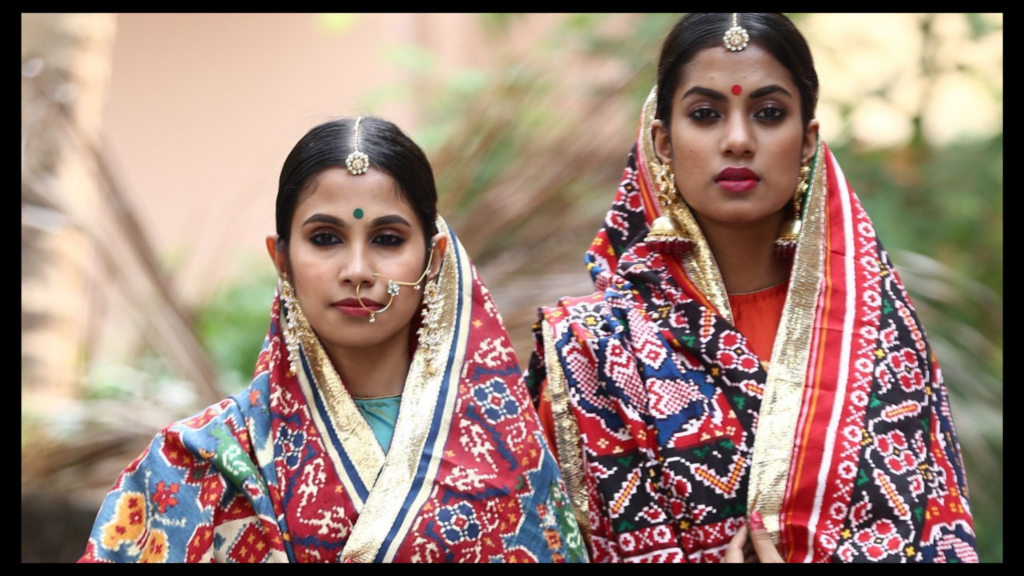
A Patola saree can remain beautiful and usable for 50 to 100 years or even longer. Families store them with great care and often pass them down to daughters and granddaughters as heirlooms.
Plastic, however, does not age gracefully. Instead, it:
- Breaks into microplastics
- Pollutes soil and oceans
- Harms animals who mistake it for food
- Takes hundreds of years to fully break down
How Buyers Can Help
Change does not only depend on the weavers, it also on the buyers. Many weavers still use plastic because customers expect a glossy, sealed, “modern-looking” package.
Buyers can help by:
- Requesting plastic-free packaging: Asking for cotton bags, paper wrapping, or reusable boxes makes a difference.
- Reusing storage materials: Instead of keeping sarees in plastic covers, storing them in breathable cotton bags helps the sarees last longer.
- Supporting small weavers directly: Buying directly from workshops in Patan encourages sustainable practices and reduces unnecessary packaging.
- Sharing feedback online: Writing reviews about eco-friendly packing motivates more sellers to follow the same path.
A simple sentence such as “Please avoid plastic packaging, I prefer eco-friendly packing” can start meaningful change.
Final Thought
Patola weaving teaches us something important: beauty takes time. Sustainability also takes time. Together, they create a powerful idea:
A saree that respects the earth is more valuable than one that only looks beautiful.
And one day, when Patola sarees travel across the world wrapped in earth-friendly packaging, the legacy of this ancient craft will feel complete and not only in design, but in purpose.
Gujarat has always mixed business with values. If you are reading this on Gujpreneur, chances are you care about Gujarati enterprise, culture, and conscious growth.