Uttarayan in Gujarat
Every January, Gujarat’s skies become a massive canvas of colors and competition as millions of kites fill the air. Uttarayan – what we call Makar Sankranti here – has evolved from a traditional harvest festival into something far more significant. It’s a major economic rhythm that drives a thriving cottage industry and creates business opportunities each year across the state. As rooftops fill with families and competitors, a layered micro-economy hums behind the scenes, from kite makers and thread suppliers to snacks sellers and delivery networks. For Gujarati entrepreneurs, Uttarayan is not just about joy in the sky. It’s about revenue, employment, and market cycles that kick in months before the festival itself.
Gujarat dominates India’s kite industry, producing a vast share of the nation’s kites and pulling in a multi-billion rupee market annually around this festival. For anyone paying attention to seasonal demand patterns, the Uttarayan cycle is an interesting case study in how culture and commerce intersect to form recurring business momentum.
Uttarayan and Gujarat’s Seasonal Business Economy
Uttarayan is celebrated on 14 January every year, when the path of the sun shifts toward the northern hemisphere and winter starts to fade. Ahmedabad, Surat, Vadodara, Rajkot, and smaller towns see massive commerce as people prepare for the festival and compete to keep their kites up into the sky. The International Kite Festival, held at Sabarmati Riverfront in Ahmedabad, also draws tourists and kite enthusiasts from across India and abroad.
Behind these moments in the sky lies a layered supply chain that runs months in advance from design and production to distribution and retail, and magnets business activity long before January.
Gujarat’s Kite Industry: Numbers You Can’t Ignore
Gujarat is the heart of India’s kite economy. Around 65% of all kites made in India come from this state, where the kite-making industry alone is valued at about ₹6.5 billion (₹650 crore) every year.
The actual kite flying season lasts only for a few days, but around 130,000 people work in kite production throughout the year. Small artisans work from their homes in areas like Jamalpur in Ahmedabad. While bigger wholesale dealers and delivery partners serve city markets during the festival rush.
Kite makers typically begin production months before Uttarayan, anticipating spikes in demand for different kite designs, special “fighter kites,” colourful prints, and stronger materials that can withstand competitive flying. This long lead time means income and activity are spread over many months, not just during the festival weekend.
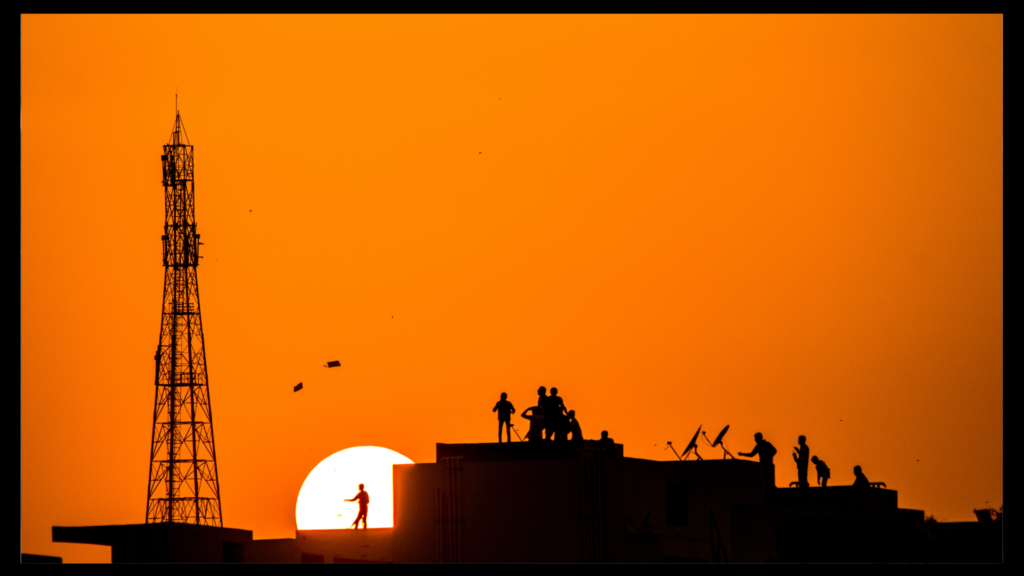
Evenings in Uttarayan
Raw Materials and Value Chains That Spin Money
The costs of raw materials have risen in recent years. Kites that cost ₹80–100 per “kodi” last season are now selling at ₹120 and fancy pre-tied kites are priced higher. However, demand still holds strong across the state. This pricing signal tells a simple business truth: supply chain dynamics matter more than tradition alone.
The kite market depends on a network of complementary businesses:
- Paper and bamboo suppliers: Lighter, stronger paper, and quality bamboo sticks are essential inputs.
- Thread & manja spools: Specially coated threads, often sold in bulk by wholesalers, are a key seasonal product.
- Printing and design shops: Custom prints and colours sell better and drive repeat purchases.
- Packaging and transport services: Kites must reach markets across towns and into rural demand pockets.
How the Kite Market Creates Work Long Before Uttarayan Arrives
Many visitors think of Uttarayan as a two-day festival. On the ground, however, it spins sustained employment. For many families, these work cycles driven by Uttarayan underpin their annual income in an otherwise slow winter economy.
- Artisans work nearly 10 months a year to craft kites that sell in November–January.
- Seasonal labourers are hired for cutting, bundling, and packing products.
- Street vendors and local retailers scale up staffing for festival demand.
- Drivers and logistics workers manage bulk stock movement from production hubs to retail zones.
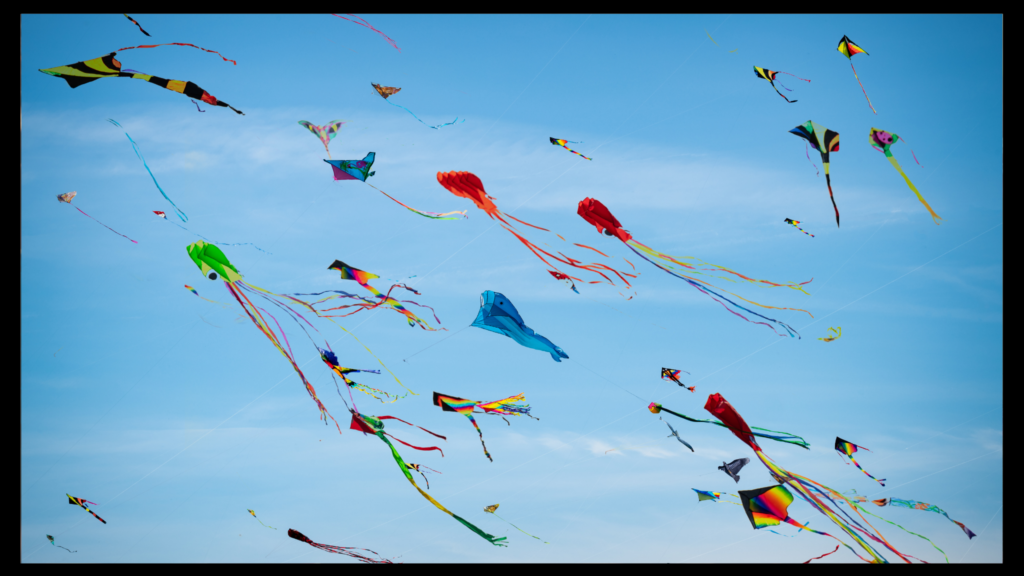
Multi-shaped kites in the sky
Businesses Powering Gujarat’s Uttarayan Economy
Uttarayan’s business impact is not abstract. Across Gujarat, several local businesses have built their core revenue around kites, manja, and festival-linked products that peak every January. These enterprises show how a cultural tradition turns into a repeatable commercial cycle, supporting retail networks, supply chains, and seasonal employment across cities.
Babla Kites – Ahmedabad
Babla Kites is a well-known kite and manja retailer with a strong seasonal business around Uttarayan. They sell a variety of kites and threads online with shipping across India and accept bulk orders for events and festivals. This business taps into both retail customers and festival vendors with a catalog of festival essentials.
Bhagwan Patang Bhandar – Surat
Bhagwan Patang Bhandar is known locally for its range of festival kites, manja, and accessories. It caters to everyday buyers as well as wholesale customers who stock up for Uttarayan sales cycles. Retailers and kite flying enthusiasts in South Gujarat often rely on this shop’s seasonal inventory for their festival preparation.
369 The World Of Manja – Vadodara
369 The World Of Manja focuses on kite thread products for the Uttarayan season and beyond. With an Instagram presence that highlights their product range, this business serves both local kite makers and festival vendors in Vadodara, Surat, Bharuch, and Ahmedabad. Their offerings support the core materials needed for kite flying during the festival.
Manja King Gujarat – Mehsana
Manja King Gujarat operates primarily through Instagram and offers kite threads and kites year-round. Their social media works like an online shop where customers can send messages, place orders, and coordinate pickups or deliveries. During the Uttarayan season, they’re flooded with orders because thread quality can make or break your kite battles.
Surties Kite24 – Surat (Instagram Business)
Surties Kite24 is an active Instagram business based in Surat selling kites and manja specifically for the Uttarayan market. With user reviews and posts about kite products, this account functions as an important festival-linked marketplace for kite enthusiasts across the city. They feature product offerings and customer engagement during peak kite season.
Festival Markets: More Than Just Kites
While kites grab all the attention, Uttarayan business extends to many other areas:
- Food stalls and snacks: Festival favorites like undhiyu, chikki, and traditional sweets become rooftop supplies and market bestsellers.
- Safety gear and accessories: Gloves, thread cutters, caps, and protective wear sell like crazy during this time.
- Temporary services: Pop-up shops, rental spaces, and event support services absorb local labour and create micro-service revenues.
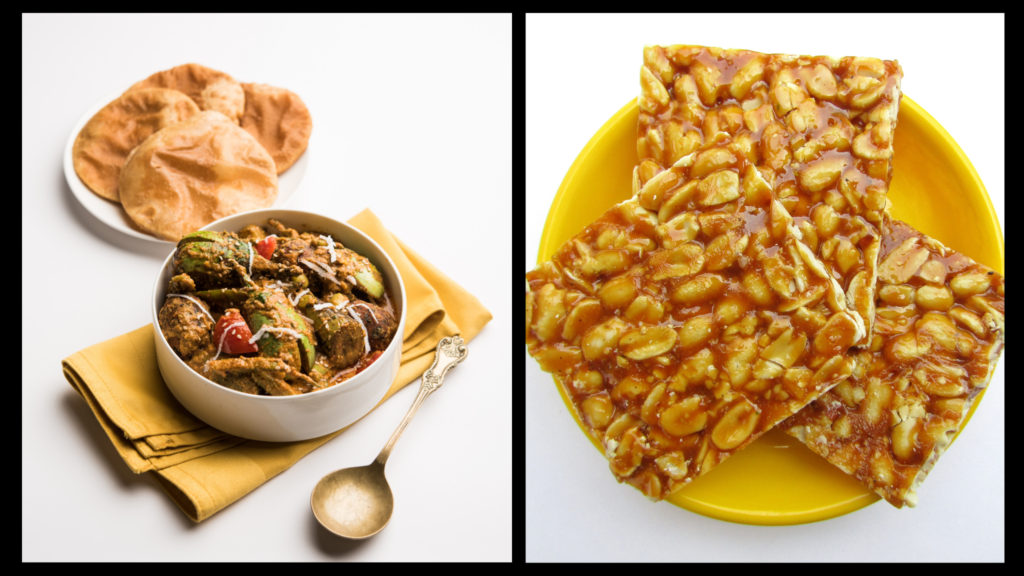
Undhiyu and chikki
Urban Safety, Regulation & Festival Compliance
Not all parts of the kite economy are effortless wins. Over the last few years, city authorities in places like Ahmedabad have started banning dangerous materials – especially certain synthetic strings and sky lanterns – to prevent accidents and injuries to birds and people.
Compliance is important for entrepreneurs in this space for inventory planning, product positioning, and winning customer’s trust. Vendors who follow safety regulations often avoid fines and cultivate longer-term relationships with buyers.
Conclusion: A Cultural Festival With Real Business Substance
Uttarayan might be the day when the sky fills with colors, but the Gujarat kite market runs a long season of commerce that each year creates measurable income, jobs, and micro-enterprise opportunities. From the craftsmen in local lanes to retailers lighting up markets and delivery partners handling distribution, the Uttarayan supply chain is a living example of how a cultural festival can evolve into a structured economic cycle.
For Gujarati entrepreneurs and anyone watching market patterns, this kite economy is a reminder: culture and commerce can coexist and reinforce each other in profitable ways. Whether you’re a seasonal seller, a street vendor, or a startup exploring hyperlocal opportunities, the kite markets around Uttarayan showcase how traditional festivals can generate structured dhandho momentum year after year. This is possible if you understand the demand, prep early, and build the right networks around it.
Stay connected with Gujpreneur for more!