Walk into any Gujarati home in the morning, and you’ll probably hear someone asking, “Chai sathe su levanu?” Within minutes, the dining table begins to fill. Khakhra. Papad. Sev. Gathiya. Pickles. Freshly made sweets. These aren’t just dishes. They are memories passed down through generations. But somewhere along the way, something remarkable happened.
A few families looked beyond the dining table. They wondered, “If our neighbours love this food, why wouldn’t the rest of India?”
Some even dared to ask a bigger question. “Why not the world?”
That simple belief quietly transformed Gujarat from a state known for great food into one known for building great food brands. Long before startup culture became fashionable, Gujarati entrepreneurs were already solving business problems through recipes, relationships and relentless consistency. They weren’t chasing unicorn valuations. They were building trust: one packet, one customer and one family at a time.
Today, whether you’re enjoying peanut butter in Bengaluru, ordering pav bhaji in New Jersey, eating frozen fries in London, or opening a packet of khakhra in Toronto, chances are there’s a Gujarati entrepreneur behind it. And that’s a story worth telling.
Every Legacy Brand Began With Someone Believing in a Recipe
Almost every iconic Gujarat food brand started the same way! That is literally inside a home, not inside a corporate office or a factory.
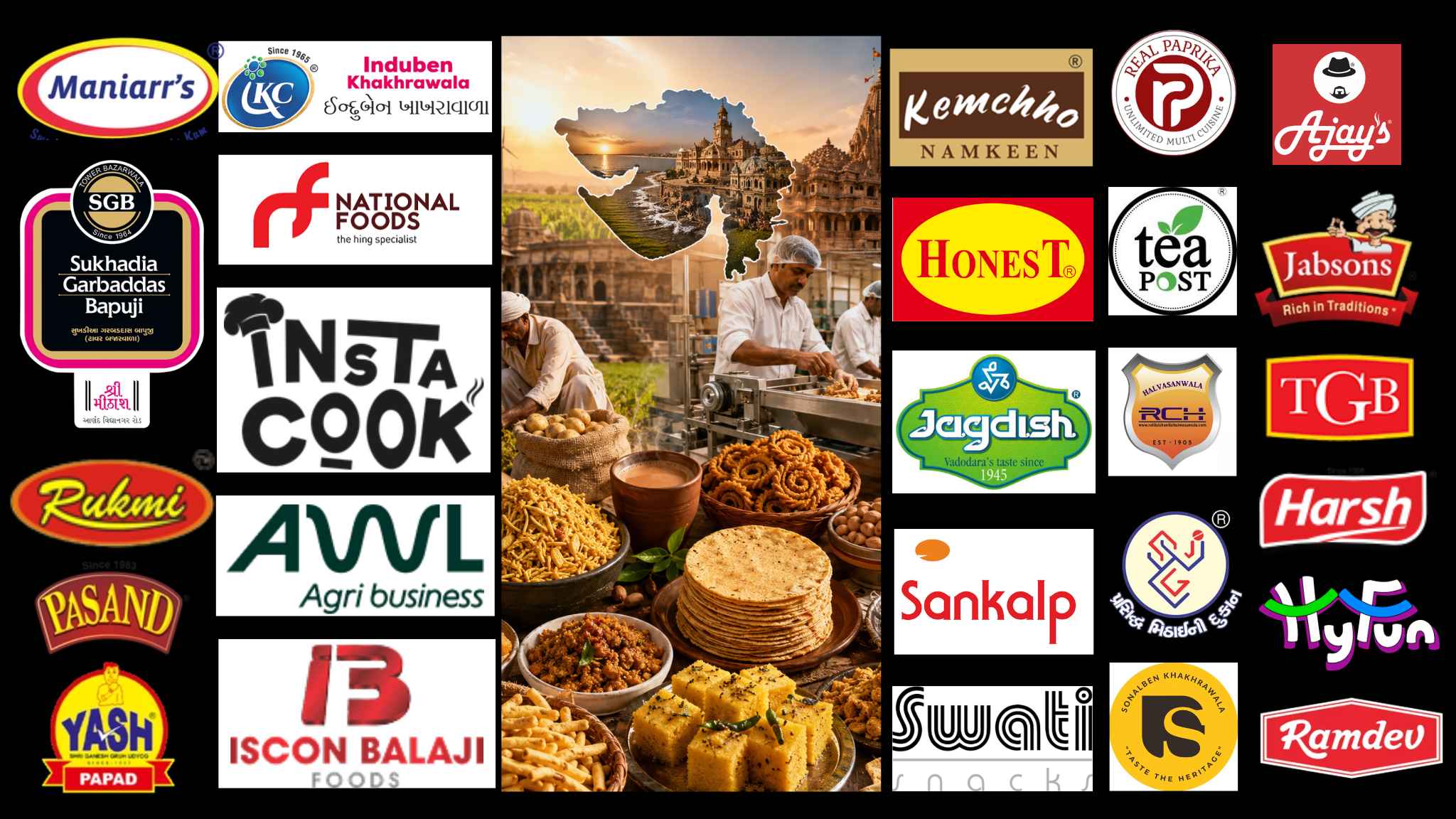
When Induben Khakhrawala began making khakhras in Ahmedabad, she wasn’t trying to create an international food business. She simply wanted families to enjoy the same homemade taste that had become part of Gujarati kitchens for decades. Slowly, word spread. Neighbours became regular customers. Shops started placing orders. Today, the brand has more than 20 retail stores and exports to countries across North America, Europe and East Africa. The recipe remained traditional. The vision became global.
A similar story unfolded with Sonalben Khakhrawala, where a household staple slowly became a recognised packaged food brand. So, what once travelled in steel containers between relatives now travels in professionally packed boxes across India.
Surat has its own story to tell. When Jamnadas Ghariwala was established in the 1940s, Ghari was largely a festive sweet prepared during Chandani Padva. Decades later, that same sweet has become something people order throughout the year from different parts of India and overseas. The business didn’t change Gujarat’s traditions. It simply made them accessible to the world.
The same philosophy built Sukhadia Garbaddas Bapuji, a family business that transformed Gujarati sweets and snacks into an internationally recognised retail brand. Today, Gujaratis living abroad don’t just buy sweets, they buy nostalgia.
Even Ratilal Chunilal Halwasanwala, known for preserving the authentic taste of Halwasan, proves that protecting tradition can sometimes become the strongest business strategy.
None of these founders started with investors. They started with confidence in a recipe their families already loved.
The Real Innovation of Business Model and not a Snack!
People often think Gujarat became successful because of its snacks. That’s only half the story. The real innovation was finding better ways to sell them.
Take Maniarr’s from Rajkot. Khakhra had existed for generations, but it was still largely handmade with inconsistent quality and a short shelf life. By introducing automated roasting while preserving the traditional taste, Maniarr’s made khakhra suitable for supermarkets and international exports. Suddenly, a breakfast favourite from Gujarat had found a place in health food aisles across the world.
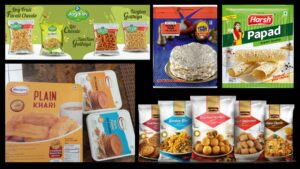
Brands like Jagdish Foods, Kemchho Namkeen, Yash Papad, and Harsh Papad followed a similar path. They didn’t reinvent Gujarati snacks. They reinvented packaging, quality control and distribution. Better branding, longer shelf life and organised retail helped products that once belonged to neighbourhood kirana stores reach airports, modern supermarkets and online marketplaces.
That is what entrepreneurship often looks like. Not changing the product. Changing how the world experiences it.
A New Generation Started Solving New Food Problems
As eating habits changed, Gujarat’s entrepreneurs changed with them. When Pintola entered the market, founders believed healthy eating shouldn’t depend on imported brands. They introduced premium peanut butter made in India and gradually built one of the country’s most trusted nutrition brands. Today, Pintola reaches customers far beyond Gujarat and has become a favourite among fitness enthusiasts.
InstaCook noticed another shift. Modern families wanted convenience without compromising on taste. Instead of replacing Indian cooking, the brand made it easier through ready-to-cook solutions designed for busy lifestyles.

The same forward thinking can be seen in Ramdev Masala, Real Paprika, National Foods, Pasand, Rukmi Food Products, and Adani Wilmar. While their products differ from spices and edible oils to packaged staples their thinking is remarkably similar. They understood that consistency, quality and scale matter just as much as flavour.
They weren’t simply selling food, but were building systems people could trust.
Some Entrepreneurs Sell Experiences Over Food!
Not every successful food brand comes inside a packet. Some are served on a plate.
When Narendra Somani opened a small tea stall on Ahmedabad’s Relief Road in 1983, few could have imagined it would eventually grow into The Grand Bhagwati (TGB), one of Gujarat’s most recognised hospitality brands and a company listed on the stock exchange. Instead of competing like traditional hotels, TGB focused on banquets, weddings and large-scale catering, creating an entirely different business model.

In 1980, Sankalp started as a restaurant in Ahmedabad. Today, it serves South Indian cuisine across multiple countries, proving that a Gujarati entrepreneur can build a global dosa brand.
Few people also realise that Honest Restaurant, famous for its pav bhaji, has its roots in Ahmedabad. What started as a local eatery today welcomes customers in countries including the United States and Canada.
In Rajkot, Darshan Dashani looked at India’s tea culture and asked a simple question: if coffee could have cafés, why couldn’t chai? That question led to the birth of Tea Post in 2013. Today, the brand serves millions of cups every month through more than 200 outlets across multiple states.
Meanwhile, Swati Snacks proved that Gujarati cuisine could be positioned as premium dining, while Ajay’s Café grew from South Gujarat into one of India’s fastest-growing vegetarian café chains through smart franchising.
Different menus. Different customers. One entrepreneurial mindset.
From Gujarat’s Farms to Dining Tables Around the World
Some of Gujarat’s biggest food success stories don’t begin in restaurants. They begin on farms.
HyFun Foods, founded by Haresh Karamchandani in 2015, transformed potatoes from a commodity into a global export business. Working closely with thousands of farmers around Mehsana, the company now supplies frozen potato products to international restaurant chains while exporting to more than 45 countries.
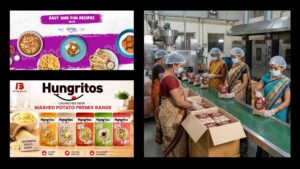
A similar story is unfolding at Iscon Balaji Foods, whose consumer brand Hungritos has become India’s largest exporter of value-added potato products. Built on partnerships with over 8,000 farmers and world-class processing facilities, the company shows how agriculture, technology and entrepreneurship can work together.
Jabsons also took something as simple as roasted peanuts and transformed it into a modern snacking brand that now competes nationally with global-format packaged foods.
Conclusion
Looking closely at these brands, a pattern begins to emerge. Some started in home kitchens; while other began in tiny sweet shops. Some were built on farms. Others started with a single café, a spice mill or a tea stall.
Yet every one of them carried the same Gujarati instinct: to build something that lasts. Their success isn’t measured only by exports, franchise outlets or supermarket shelves. It is measured by the fact that millions of people enjoy their products without even realising they are supporting businesses born in Gujarat.
That is perhaps Gujarat’s greatest contribution to India’s food industry. It didn’t just preserve recipes. It built brands. And in doing so, it showed that when tradition meets entrepreneurship, even the most local flavours can find a place on the global table.
Keep visiting Gujpreneur for more such business insights!