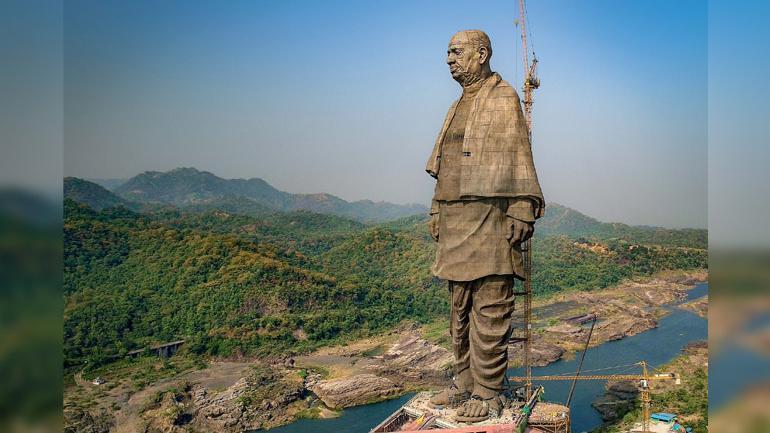
Sardar Vallabhbhai Patel played a decisive role in shaping India as a republic. Not only through his political authority but also through his unmatched ability to unite a deeply fragmented nation. Often remembered as the Iron Man of India, Patel’s contribution went far beyond administrative efficiency. His vision laid the foundation on which the Republic of India was formally established in 1950.
The Rise Of Sardar Vallabhai Patel
Patel emerged as a national leader during the freedom movement under Mahatma Gandhi’s guidance. His early work in Kheda and Bardoli showed his organisational strength and his capacity to mobilise ordinary Indians. The Bardoli Satyagraha of 1928 earned him the title “Sardar”. After he successfully led farmers against unjust taxation. These experiences shaped his belief that political freedom would be meaningless without strong governance and national unity.
After independence in August 1947, India faced an unprecedented crisis. The country was divided by Partition, millions were displaced, communal violence was widespread, and the future of the nation looked uncertain. As India’s first Home Minister, Patel took charge at a moment when the idea of India itself was fragile. His most historic contribution came through the integration of the princely states.
Unifying Of Princely States
At the time of independence, India consisted of more than 560 princely states. These were not directly ruled by the British. These states were given the option to join India, join Pakistan, or remain independent. Such a scenario threatened to break India into dozens of smaller entities. Patel, along with civil servant VP Menon, led the effort to persuade, negotiate, and when necessary, pressure the rulers of these states to accede to India.
Patel’s approach combined diplomacy with firmness. He assured princes that their privileges and privy purses would be protected. He made it clear that independence was not a viable option. Within a remarkably short time, most princely states signed the Instrument of Accession. This achievement ensured that India emerged as a single political entity rather than a loose confederation. Without this unification, the idea of a republic with a central constitution would have been impossible.
In a few cases, integration required decisive action. The annexation of Junagadh, which had acceded to Pakistan despite having a Hindu majority, was resolved through a plebiscite. Hyderabad, one of the largest princely states, posed a serious challenge due to its ruler’s refusal to join India. Patel authorised Operation Polo in 1948, which led to Hyderabad’s integration. These actions were controversial but crucial in securing India’s territorial integrity.
Laying Administrative Framework
Patel also played a significant role in establishing India’s administrative framework. He strongly believed that a strong civil service was essential for national stability. Patel supported the continuation of the Indian Civil Service in a new form. Which later became the Indian Administrative Service and the Indian Police Service. His famous address to civil servants emphasised integrity, discipline, and loyalty to the Constitution. These institutions became the backbone of governance in the republic.
During the drafting of the Indian Constitution, Patel chaired several important committees in the Constituent Assembly. As the chairman of the Advisory Committee on Fundamental Rights, Minorities, and Tribal Areas, he worked to balance individual freedoms with national unity. His pragmatic approach ensured that the Constitution addressed India’s diversity while maintaining a strong centre. Patel often differed with Jawaharlal Nehru on policy matters. But their shared commitment to democracy and constitutional rule shaped the republic.
Patel’s role in managing communal tensions was equally important. In the aftermath of Partition, India faced severe internal unrest. Patel took firm action against violence and insisted on the protection of minorities. He believed that law and order were essential for the survival of a democratic republic. His insistence on a strong internal security framework helped stabilise the nation during its most vulnerable phase.
While Patel is sometimes portrayed as a counterbalance to Nehru’s idealism. His contribution was complementary rather than conflicting. Patel provided the administrative strength and political realism that allowed Nehru’s vision of democracy and secularism to function. Together, they laid the groundwork for a republic that combined democratic ideals with institutional stability.
Sardar Vallabhai Patel Leaves Behind A Legacy
Sardar Vallabhbhai Patel passed away in December 1950, just months after India became a republic. By then, much of his work had already shaped the nation’s future. The unified territory, stable administration, and firm constitutional foundations bore his imprint. His legacy lives on in India’s federal structure, civil services, and commitment to unity in diversity.
Patel’s role in India’s republic was not defined by grand speeches or ideological writings but by decisive action during moments of crisis. He transformed a newly independent and divided land into a cohesive nation capable of functioning as a republic. Without his leadership during the transition from colonial rule to self governance, India’s survival as a united republic would have been far more uncertain.
How Sardar Vallabhai Patel played a crucial role in India’s Republic?
Sardar Vallabhbhai Patel played a decisive role in shaping India as a republic. Not only through his political authority but also through his unmatched ability to unite a deeply fragmented nation. Often remembered as the Iron Man of India, Patel’s contribution went far beyond administrative efficiency. His vision laid the foundation on which the Republic of India was formally established in 1950.
The Rise Of Sardar Vallabhai Patel
Patel emerged as a national leader during the freedom movement under Mahatma Gandhi’s guidance. His early work in Kheda and Bardoli showed his organisational strength and his capacity to mobilise ordinary Indians. The Bardoli Satyagraha of 1928 earned him the title “Sardar”. After he successfully led farmers against unjust taxation. These experiences shaped his belief that political freedom would be meaningless without strong governance and national unity.
After independence in August 1947, India faced an unprecedented crisis. The country was divided by Partition, millions were displaced, communal violence was widespread, and the future of the nation looked uncertain. As India’s first Home Minister, Patel took charge at a moment when the idea of India itself was fragile. His most historic contribution came through the integration of the princely states.
Unifying Of Princely States
At the time of independence, India consisted of more than 560 princely states. These were not directly ruled by the British. These states were given the option to join India, join Pakistan, or remain independent. Such a scenario threatened to break India into dozens of smaller entities. Patel, along with civil servant VP Menon, led the effort to persuade, negotiate, and when necessary, pressure the rulers of these states to accede to India.
Patel’s approach combined diplomacy with firmness. He assured princes that their privileges and privy purses would be protected. He made it clear that independence was not a viable option. Within a remarkably short time, most princely states signed the Instrument of Accession. This achievement ensured that India emerged as a single political entity rather than a loose confederation. Without this unification, the idea of a republic with a central constitution would have been impossible.
In a few cases, integration required decisive action. The annexation of Junagadh, which had acceded to Pakistan despite having a Hindu majority, was resolved through a plebiscite. Hyderabad, one of the largest princely states, posed a serious challenge due to its ruler’s refusal to join India. Patel authorised Operation Polo in 1948, which led to Hyderabad’s integration. These actions were controversial but crucial in securing India’s territorial integrity.
Laying Administrative Framework
Patel also played a significant role in establishing India’s administrative framework. He strongly believed that a strong civil service was essential for national stability. Patel supported the continuation of the Indian Civil Service in a new form. Which later became the Indian Administrative Service and the Indian Police Service. His famous address to civil servants emphasised integrity, discipline, and loyalty to the Constitution. These institutions became the backbone of governance in the republic.
During the drafting of the Indian Constitution, Patel chaired several important committees in the Constituent Assembly. As the chairman of the Advisory Committee on Fundamental Rights, Minorities, and Tribal Areas, he worked to balance individual freedoms with national unity. His pragmatic approach ensured that the Constitution addressed India’s diversity while maintaining a strong centre. Patel often differed with Jawaharlal Nehru on policy matters. But their shared commitment to democracy and constitutional rule shaped the republic.
Patel’s role in managing communal tensions was equally important. In the aftermath of Partition, India faced severe internal unrest. Patel took firm action against violence and insisted on the protection of minorities. He believed that law and order were essential for the survival of a democratic republic. His insistence on a strong internal security framework helped stabilise the nation during its most vulnerable phase.
While Patel is sometimes portrayed as a counterbalance to Nehru’s idealism. His contribution was complementary rather than conflicting. Patel provided the administrative strength and political realism that allowed Nehru’s vision of democracy and secularism to function. Together, they laid the groundwork for a republic that combined democratic ideals with institutional stability.
Sardar Vallabhai Patel Leaves Behind A Legacy
Sardar Vallabhbhai Patel passed away in December 1950, just months after India became a republic. By then, much of his work had already shaped the nation’s future. The unified territory, stable administration, and firm constitutional foundations bore his imprint. His legacy lives on in India’s federal structure, civil services, and commitment to unity in diversity.
Patel’s role in India’s republic was not defined by grand speeches or ideological writings but by decisive action during moments of crisis. He transformed a newly independent and divided land into a cohesive nation capable of functioning as a republic. Without his leadership during the transition from colonial rule to self governance, India’s survival as a united republic would have been far more uncertain.
Conclusion
Patel’s leadership turned a fragile, newly independent nation into a united and governable republic. He ensured India’s survival as a democratic nation. If you like to read such pieces on India’s governance, then stay tuned with us on Gujpreneur and subscribe to our newsletters.