The evolution of architecture in Gujarat evolved with its response to the natural environment- specifically heat and water. The design elements of architecture like shaded courtyards, thick walls of stone, and narrow streets, as well as man-made, or constructed, sources of water reflects the same thought. Today, as Gujarat emerges as a global destination for business, business development, and real estate development, this indigenous knowledge framework has been re-generated through the use of digital technology.
The difference now is due to the speed and urgency of change taking place around us. Urban growth, higher energy costs, water stress, increasing volatility in climate will all require architects, builders, and developers to modify their approach to how they design, manage, use, and assess buildings. Sustainable building in Gujarat is no longer sentimental or idealistic-it has become a strategic response to the current challenges associated with growth and a financial smart move.
Why Sustainable Architecture Matters in Gujarat Today
Gujarat experiences one of the most extreme climates imaginable. With hot summers lasting six months per year, sunshine intensity being something most families living in more favourable climates cannot begin to imagine, and rainfall that varies greatly and without warning. Traditional buildings utilizing glass and steel are costly to operate from an electric power perspective alone, not to mention deteriorating supplies of ground water; these factors combine to create unique challenges for the region’s architectural community.
The growth of cities like Ahmedabad, Surat and Vadodara is creating greater demand for energy, water and the construction of new infrastructure than the limited supply of these resources can support. As costs to operate buildings rise and the potential for long-term negative impacts related to building products increases, building owners face additional challenges.
By designing buildings to be climate-responsive through orientation, shading, ventilation, material efficiency, and water management, the buildings can reduce their reliance on mechanical cooling systems and overuse of energy. As energy prices rise and water becomes more expensive, sustainable architecture in Gujarat will quickly change from a “green alternative” to an economically necessary solution.
How Modern Design Interprets Tradition
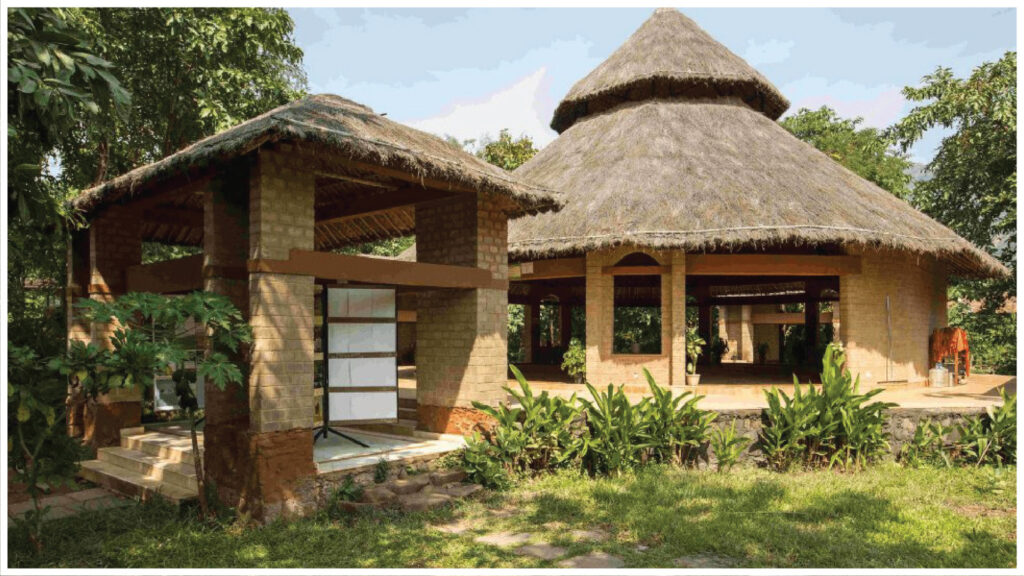
Elements from vernacular architecture (courtyards, jali walls, shaded balconies, deep yards, and tall ceilings) are being restated with modern building engineering and construction technologies. In numerous residential communities in Ahmedabad, educational institutions in Kutch, and business areas in Surat, the use of Climate Responsive Design (CRD) is being embraced. Perforated screen façades are also inspired by jali walls to provide ventilation while controlling solar glare. Windows are oriented for optimal passive solar heating with walls that are thick for additional thermal protection. These are contemporary buildings for today’s population; however, they are also deeply connected to the climatic logic of Gujarat.
Through developed design studios and completed buildings, sustainable architecture is being implemented throughout the state of Gujarat. Two defining examples are Vastu Shilpa Consultants’s work in Ahmedabad with projects like Sangath and CEPT University, in which outdoor courtyards, water features, and thick building envelopes create comfortable naturally-cooled spaces. In Kutch, Hunnarshala Foundation has built the Bhuj campus and provided institutional building designs that utilize local rammed earth, lime, and stone for affordable building with long term resilience to climate change. Matharoo Associates and Studio Sangath have been developing residential project designs in Ahmedabad, which reflect the same strategies of shaded courtyard design, recessed openings, and controlled daylighting to limit absorption of heat.
The Grid Architects, Sameep Padora & Associates, and various Surat-based firms such as Design Work Group have completed commercial and institutional project designs in Gujarat with solutions like breathable façades, shaded circulation, or natural landscape-based cooling systems for offices, campuses, and mixed-use developments.
Sustainable Design and Cost of Building
Numerous sustainable design approaches are typically not expensive when incorporated into the design phase; in many instances, they will reduce construction costs because they decrease the need for expensive over-engineered systems. Likewise, as sustainability continues to emerge as a key distinctive feature in the marketplace, it has altered the perception of the development of real estate in Gujarat from a short-term transactional focus to a long-term, value-based strategy.
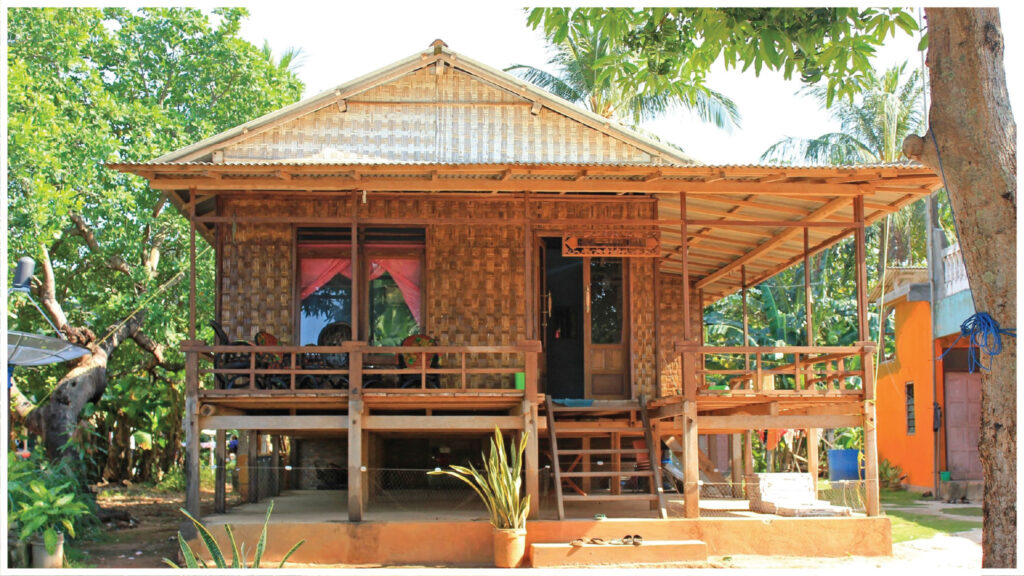
The use of sustainable architecture affects the way in which community development is done. Urban Parks can serve as a place to foster social interaction through shade provided by the use of trees, water features and landscape design that is climate sensitive. Indigenous materials coupled with design principles provide schools, institutional buildings & community centres with a greater sense of a connection to the community.
Balanced Future
Gujarat is clearly emerging as a leader in industry and entrepreneurship. The main question won’t be whether these areas will grow, but how much they will grow. The characteristics of successful structures in the future will have more to do with their ability to react effectively to climatic conditions and conserve resources than with their height or design.
Gujarat’s Sustainable Architecture isn’t about replicating the international fashion of the moment, it is about creating a sustainable model that fits within local demographics, culture and economy, thus establishing a future for Gujarat that is truly sustainable, valuable and a way to breathe.
As Gujarat reimagines growth through sustainability, innovation, and climate-responsive design, Gujpreneur continues to bring you the stories shaping the state’s future—one idea, one business, and one breakthrough at a time.