For generations, literacy had a straightforward definition. You could read. You could write. You could understand information. But the world we are reading and writing in has changed.
Today, information is everywhere. Data influences decisions. Technology shapes businesses. Artificial intelligence is changing how work gets done. Markets move faster, customer expectations shift quickly and opportunities can emerge from places that did not exist a decade ago.
So on International Literacy Day, perhaps the more relevant question is not simply “Can you read and write?”
It is: Can you understand what you are reading, recognise what matters and make better decisions from it?
That is where literacy begins to take on a new meaning.
Literacy Is No Longer Just About Information
In the new economy, being surrounded by information is not the same as understanding it. For entrepreneurs and professionals, the ability to interpret data, understand technology and recognise the possibilities created by AI is becoming increasingly important. But this does not mean everyone needs to become a technologist.
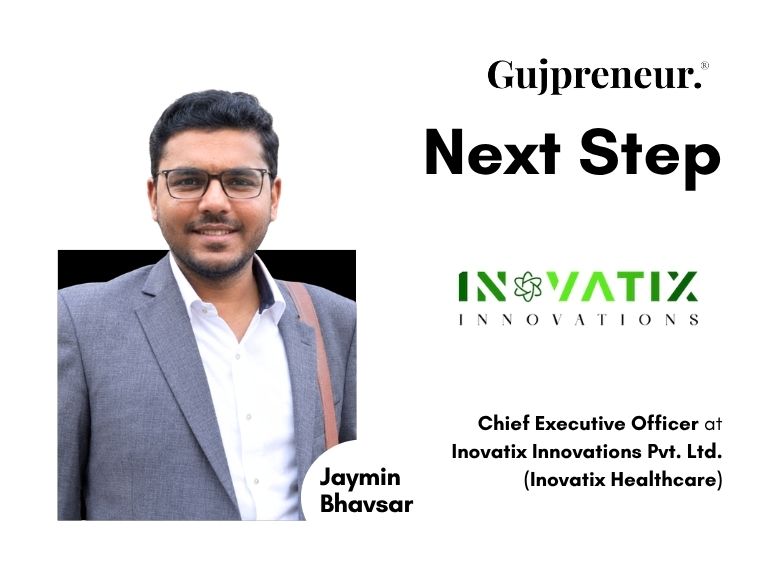
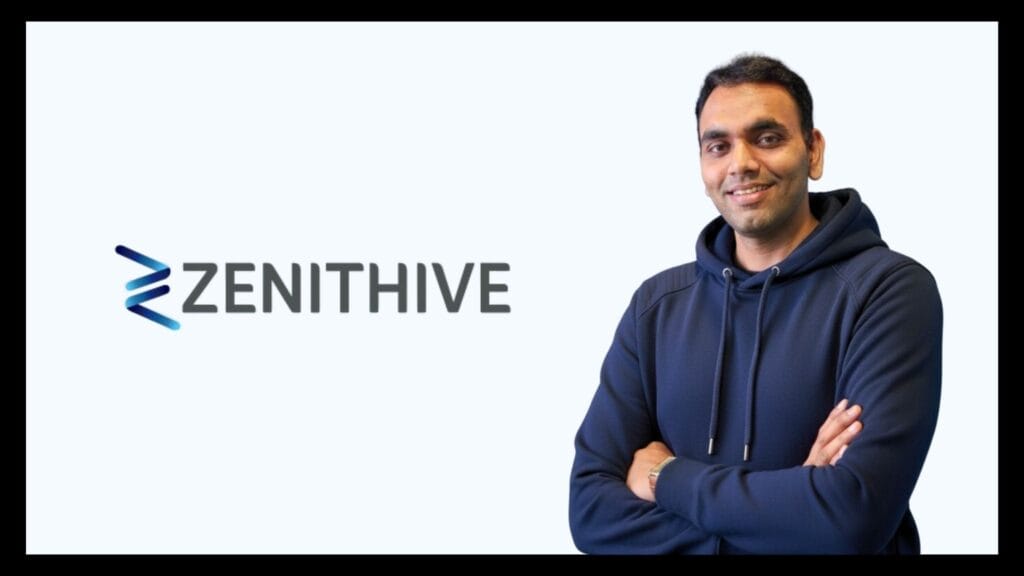
Arpit Zala of Zenithive Systems believes the definition should be much more practical.
“Literacy is no longer just the ability to read and write. It is the ability to understand information and make better decisions from it. Today that means having enough comfort with data, technology and AI to know what is possible, what is not, and what actually matters. You don’t need to build the technology. You need to know how it can change your world.”
That distinction matters. Because the future may not belong only to people who know the most technology. It may belong to people who know what to do with it.
What Does Technology Literacy Mean for Dhandho?
This becomes particularly interesting in Gujarat. The state has built a strong entrepreneurial culture around identifying opportunities, managing resources and making things work. But as technology becomes part of almost every industry, even traditional businesses are being forced to rethink how they operate.
Does a business owner need to understand the technology behind AI, automation or data systems?
Not necessarily. But they do need to understand what those technologies can change.
As Arpit explains:
“A business owner doesn’t need to understand the technology in depth. They need to understand its business impact. Will it reduce cost? Improve margins? Help us serve customers better? Give us speed? Create something we couldn’t do before? I have seen technology initiatives fail when the starting point is the technology itself. Start with the dhandho. Then find where technology can create leverage.”
That is perhaps one of the most important shifts in the meaning of literacy.
Technology literacy is not about knowing every tool. It is about recognising where technology can create value.
The Definition of an Asset Is Changing
For decades, business growth was often associated with tangible assets: Factories. Machines. Infrastructure. People. Capital.
The new economy is adding another layer to that equation.
Data can be an asset.
Software can be an asset.
Intellectual property can be an asset.
Technology itself can become a source of leverage. And that changes the way entrepreneurs need to think.
Arpit puts this evolution into perspective:
“The fundamentals of dhandho don’t need to change. The definition of an asset does. Traditionally, we think about factories, machines, people and capital. Today, data, technology, software and intellectual property can be equally powerful assets. The entrepreneurs who recognise this early will scale differently. The next competitive advantage may not be another factory. It may be what you know, how fast you can act on it, and how intelligently you can scale it.”
This is where the conversation around literacy moves beyond education. It becomes a conversation about economic understanding.
Can you recognise what has value?
Can you understand how that value is changing?
Can you identify what can give your business an advantage?
The Real Divide May Not Be Between Tech-Savvy and Non-Tech-Savvy
Technology is becoming easier to access. AI tools can write, analyse, automate and assist. But access alone does not create an advantage. The real advantage may lie in knowing where to apply it.
Arpit sees an important distinction between using technology and understanding its potential:
“Using technology is becoming easy. Knowing where to use it is a skill. The real advantage comes when a business leader can look at a problem and ask, ‘Can technology fundamentally change this?’ That’s when technology moves from being a tool to becoming a business lever.”
That question — Can technology fundamentally change this? — may itself be a form of new-age literacy. Because understanding technology is no longer only about operating it. It is about seeing possibilities that others may not see yet.
So, What Does It Mean to Be Literate in the New Economy?
Perhaps literacy today needs to be viewed as a spectrum. Reading and writing remain the foundation. But beyond that comes the ability to understand data, to navigate technology, to question information, to understand business, to recognise opportunity, and increasingly, to understand how technology can create leverage.
For Gujarat, this conversation has a particular relevance.
A state with a deeply rooted dhandho culture is entering an economy where the nature of the opportunity itself is changing. The next entrepreneur may not build a business around only land, machinery or physical infrastructure.
They may build around data, software, intellectual property, technology or an insight that can be scaled globally.
That requires a different kind of understanding.
The New Literacy Is About What You Do With What You Know
International Literacy Day reminds us that literacy enables people to participate in society and the economy. But today, participation requires more than reading words. It requires understanding data, technology, markets and opportunities.
This is where Gujarat’s traditional dhandho mindset meets the new economy. Dhandho has always been about spotting opportunities, understanding risks and making the right move. The tools may change, but that mindset remains.
As Arpit puts it: “New-age literacy is knowing enough about technology and data to turn them into better decisions, stronger businesses and real-world outcomes.”
For more stories decoding Gujarat’s evolving business landscape and the people shaping its dhandho, explore Gujpreneur.