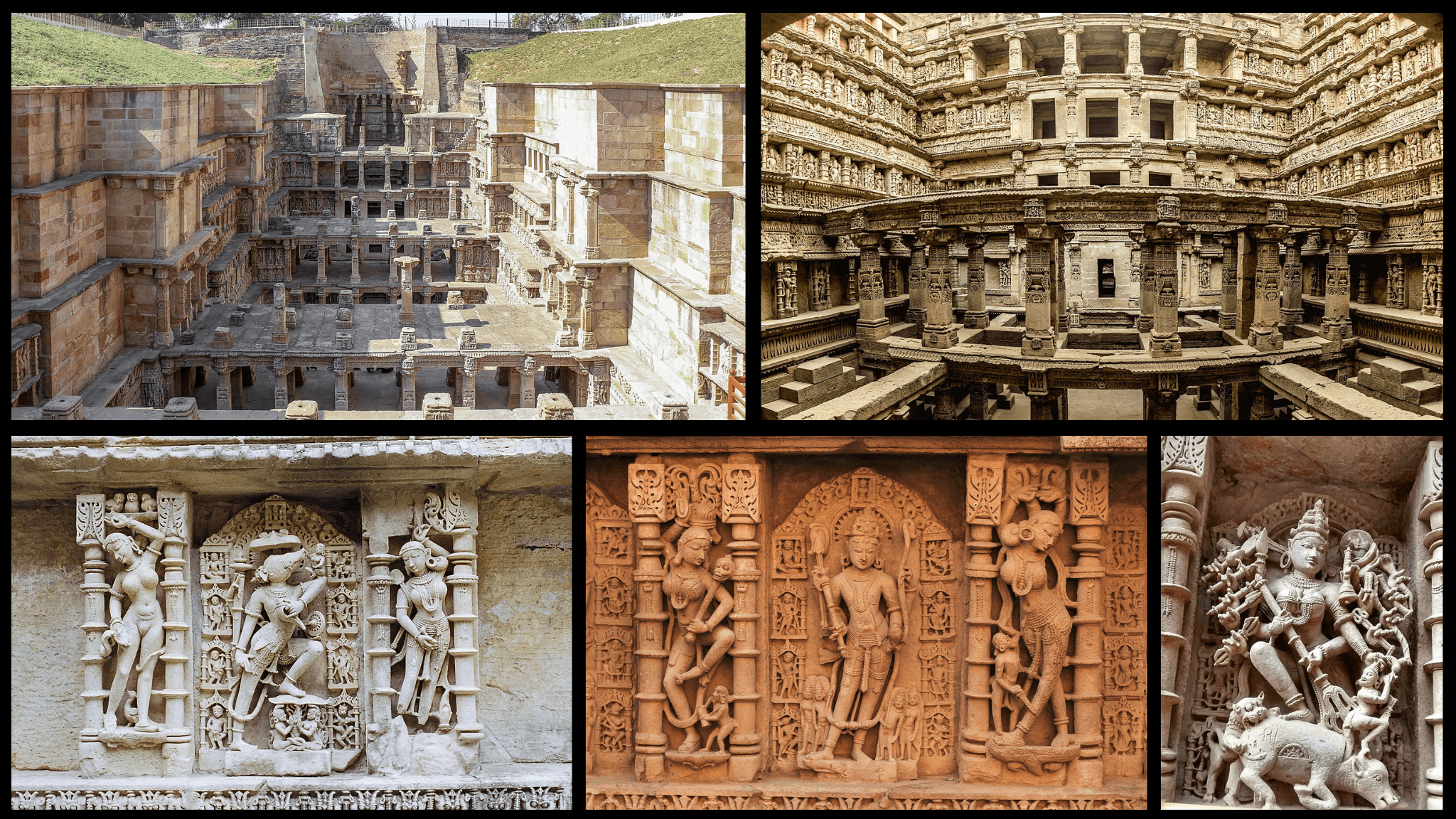
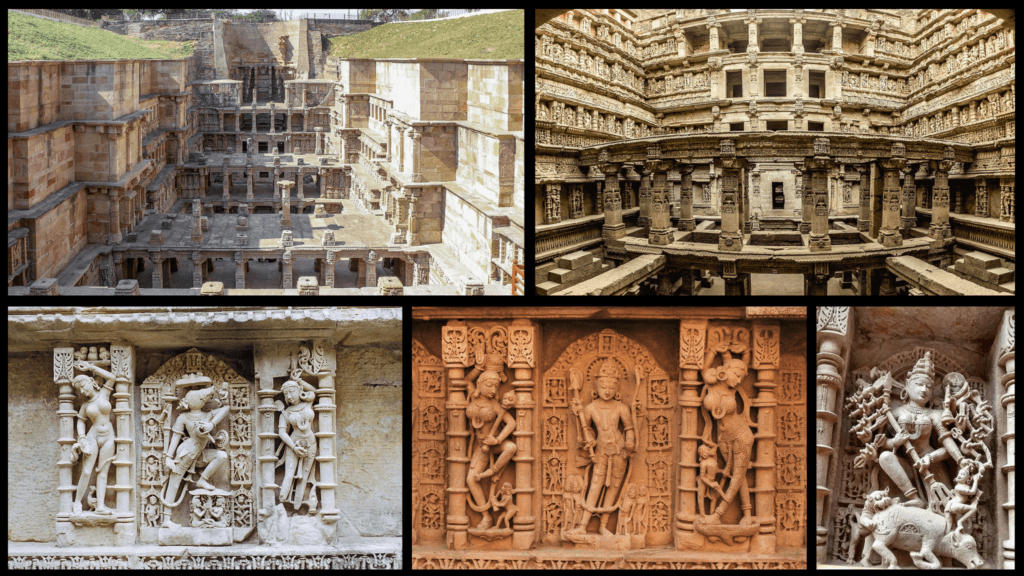
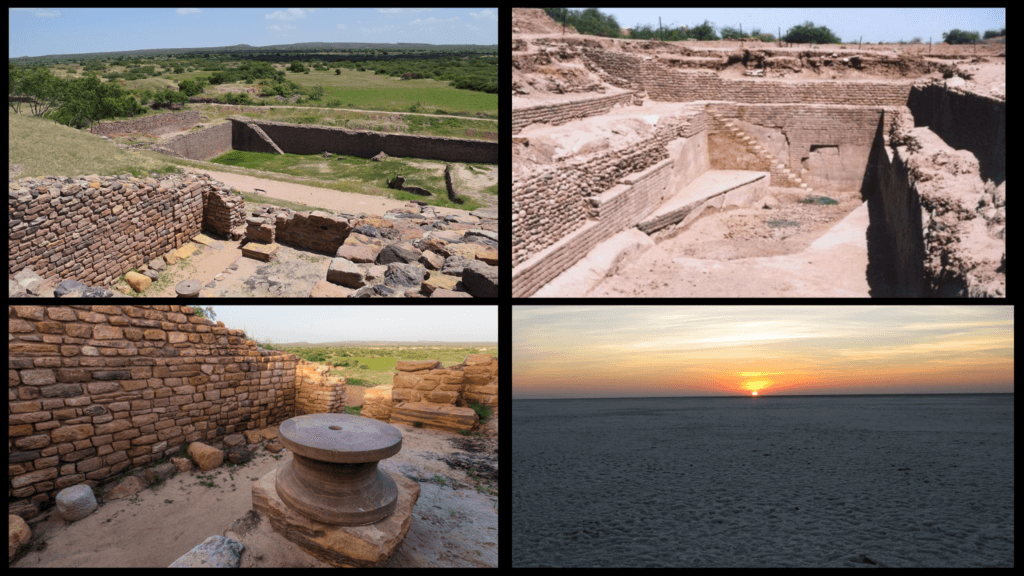
Gujarat does not only keep the past. It commercializes it in a strategic, massive, and sustainable manner. In the elaborately sculpted steps of Rani ki Vav in Patan to the city planning wonder of Dholavira in Kutch, the heritage in Gujarat has made it to the high potential economic engine. The state has forgotten the feeling of nostalgia. It is now considering heritage as tourism infrastructure, employment and branding, and global investment. Economic capital has turned out to be cultural capital.
Heritage as an Economic Multiplier
Heritage site tourism creates both direct and indirect jobs. It is advantageous to hotels, transport operators, guides, artisans and local food shops. Rani ki Vav is a UNESCO World Heritage site where local and foreign tourists visit all the year round. More foot traffic also helps homestays, handicraft merchants and local tour operators in Patan. Another site, Dholavira, has made the remote Kutch landscape to become a world archaeological site. Today, investors are searching eco-resorts, cultural tours, and experiential traveling packages in the site. Business growth is inclusive when preservation is in line with business.
Branding Gujarat Through History
A strong economy needs to possess an appealing brand. Gujarat leverages on its legacy in order to re-enforce that brand in the global market. The Rani ki Vav is featured on 100 rupee note of India. This symbolic position justifies the historic status of Gujarat. Dholavira introduces the high-level urbanization of the civilisation of the Indus Valley. These spaces are full of sophistication, continuity and civilization. Heritage generates trust in the investors and tourists. It is a measure of stability and cultural diversity. One of the drivers of an investment in the global markets is perception. Gujarat knows this very well.
Public Investment, Private Opportunity
The government has been spending on the restoration, access and tourism infrastructure in key heritage sites. Tourist experience is enhanced by the presence of roads, signage, visitor centers and digital ticketing systems. The result of such improvements is decreased friction to the private investors. The entrepreneurs in hospitality have considered heritage circuits a viable business area. There has been an uptake of the use of boutique hotels, heritage stay and curated travel services. Storytelling and hospitality by the entrepreneurs will enjoy increased margins. Cultural tourism is highly priced as opposed to generic tourism. Preservation of heritages will then be a driver of MSME.
The Rise of Heritage Tourism Circuits
Single monuments do not often support the growth of tourism in the long-term. Gujarat is dealing with this challenge using integrated tourism circuits. The visitors pair Rani ki Vav with the Sun Temple of Modhera and Patola weaving facilities of Patan. On the same note, Dholavira is combined with Rann tourism, handicraft villages and desert festivals of Kutch. This circuit model promotes average tourist stay and expenditure. A higher number of days translate to a greater amount of revenue in sectors. Multi-day heritage travel startups are now curated. They involve accompanied archaeological visits, craft experiences and tours of local cuisine. The prospect is to sell the history as a communal experience.
Digital Storytelling and Smart Preservation
Tourists in the contemporary world are looking beyond sightseeing. They desire a setting and interaction. Audio guides are digital, AR reconstructions and multi-lingual content are used to improve the visitor experiences. Smart preservation is a combination of conservation and technology. Gujarat has heritage sites which can be developed into apps, virtual walkthroughs and digital archives by young entrepreneurs. Technological startups, creators of content, and historians can work together to create immersive stories. Heritage tech is still underdeveloped. This is an opportunity created by this gap. Visitors get better satisfaction when the story telling is enhanced. The growth of organic tourism is then driven by positive reviews.
Community Participation Drives Sustainability
Preservation requires the sustainability of local communities. A use of artisans, guides and small vendors in the heritage ecosystems is increasingly employed in Gujarat. The Patola craftsmen in Patana also enjoy tourism around the Rani ki Vav. The Kutch artisans are getting visibility through visiting Dholavira and other villages. This model does not allow leakage of the economy. Revenue circulates locally. Site protection is also enhanced by community involvement. The locals are also willing to support conservation when their economic interests are affected.
When there is congruence between profit and pride, then preservation is succeeding.
Challenges in Monetizing Heritage
However, there are not all difficulties. Weak structures can be stretched too thin by over-tourism. The disposal of wastes can be destructive to the environment. Remote locations like Dholavira should be linked improved and expanded hospitality capacity. Entrepreneurs must trade-off scale and sustainability. Another thing is the need to attend to pricing strategies. One can over commercialize authenticity. The tourists seek genuine experiences rather than the artificial ones. There should be a collaboration between intelligent policy and conscientious entrepreneurship. The next level of development will be sustainable innovation. Investment Potential in Heritage-Led Development Tourism related to heritage favors several industries:
- Hospitality and eco-resorts
- Travel technology and reservation systems.
- Merchandise and handcrafts
- Festivals and event management
The long coastline, ancient trade routes and architectural heritage of Gujarat have unexploited potential. First mover investors have the capacity to develop category leadership. In most cases, heritage tourism tends to be resilient during periods of economic unpredictability. Cultural tourism is also a source of domestic and international tourists. In the case of Gujarat, preservation is now an economic long-term insurance.
Dholavira: A Case Study in Strategic Positioning
Dholavira is one of the largest Indus valley cities. It boasts of hi-tech water management, urban planning and ramparts. Gujarat was able to gain international recognition in Dholavira through the acquisition of the UNESCO status. It has now been included in the Heritage related tourism assists in maintaining a number of industries: tour programs of international scholars and archeologists and heritage tourists. This is attributed to provide an additional access to fund, educational collaboration and vacation opportunities. The remote excavation site will become a world destination with the strategic positioning.
From Conservation to Competitive Advantage
Tourism related to heritage provides a number of industries: Heritage tourism contributes to the survival of a number of industries: A lot of areas regard heritage as a burden. Gujarat takes it as leverage. Preservation generates employment, enhances branding, and improves MSMEs, as well as draws investors. It brings together culture and business without losing the originality. Rani ki Vav to Dholavira is not merely an art piece created by architects. It has got an economic outlook. Gujarat is proving that history and growth can go hand in hand in a world that is pursuing the modernization at high speed. The actual opportunity is in the future. The next decade of the tourism-led growth will be innovated by entrepreneurs who embrace heritage.
Why This Matters for Gujarat’s Future
Diversified growth is necessary as Gujarat looks towards having high economic targets. Manufacturing and industry are also great pillars. But cultural tourism gives it strength and international attractiveness. It enhances soft power and brings in a constant stream of revenue. The heritage conservation has become a part of the development story in Gujarat. It increases both identity and income. Gujarat ensures that history does not stand still, starting with stepwells up to ancient cities. It is scalable.
Turn Heritage into Opportunity
The Gujarat is constructing tomorrow with the brilliant past in Rani ki Vav, Dholavira, and everywhere. bBe ahead of heritage-based growth through Gujpreneur. Explore strong MSME success stories, tourism potential and investment revelation that are building the future of Gujarat. Be a part of the next economic revolution in the state by following us.