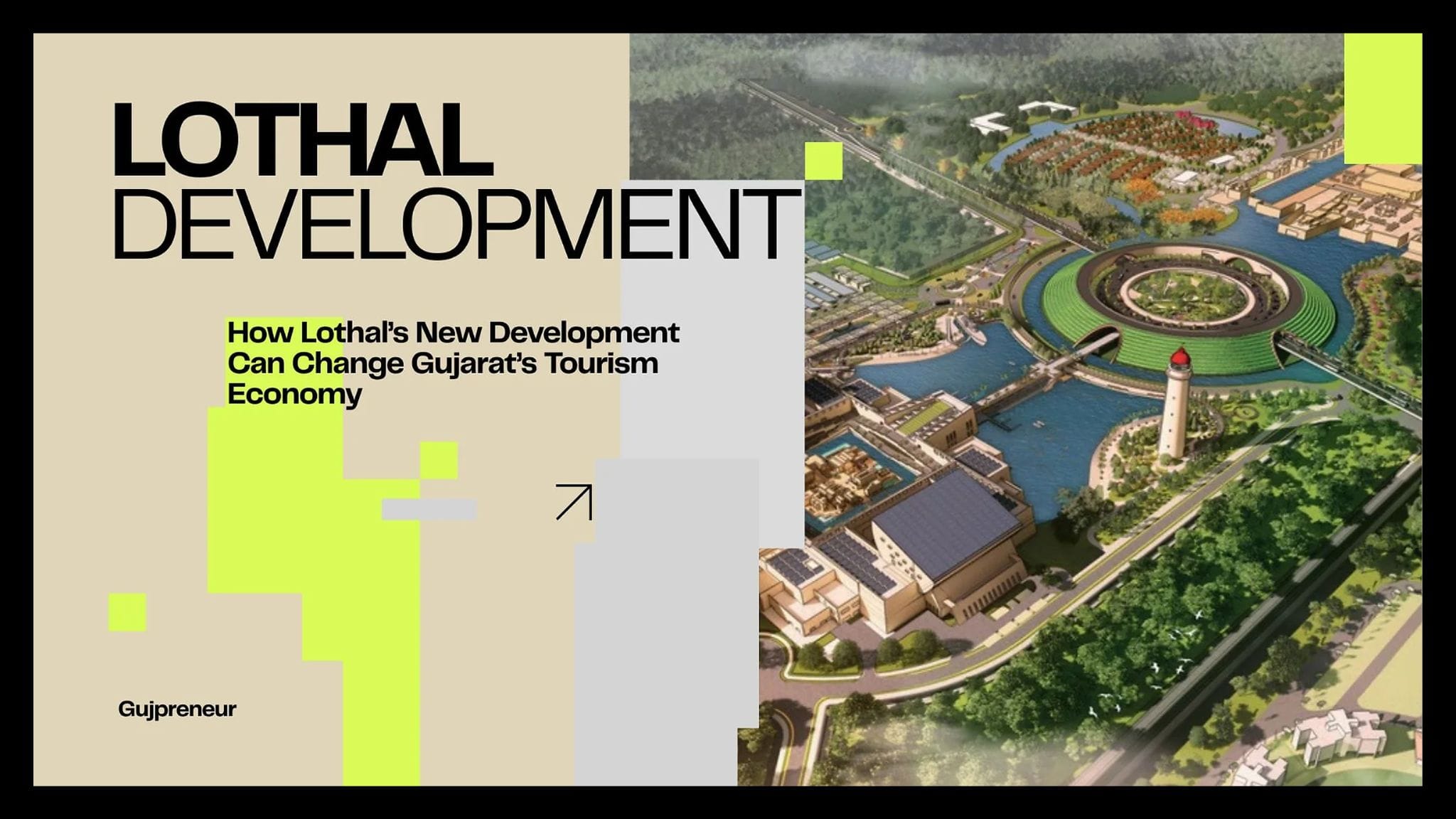
Recently, we covered a detailed blog on Lothal — once the biggest dockyard of its time. A place deeply rooted in history books, known for trade during the Harappan civilisation. While its historical importance has always been unquestionable. Lothal was never an easy recommendation for everyone. Unless someone had a strong interest in archaeology or ancient civilisations.
In many ways, Lothal felt important, but distant. Full of history, but not engaging. But it was a matter of time. In 2022, the government decided to make Lothal one of the biggest tourist attractions.
Now, in all this, we take an opportunity to think from a business standpoint. In this blog, we will discuss how the development of Lothal is going to attract and promote business. and how such changes will play a vital role for Entrepreneurs of Gujarat to earn money.
What’s Happening in Lothal?
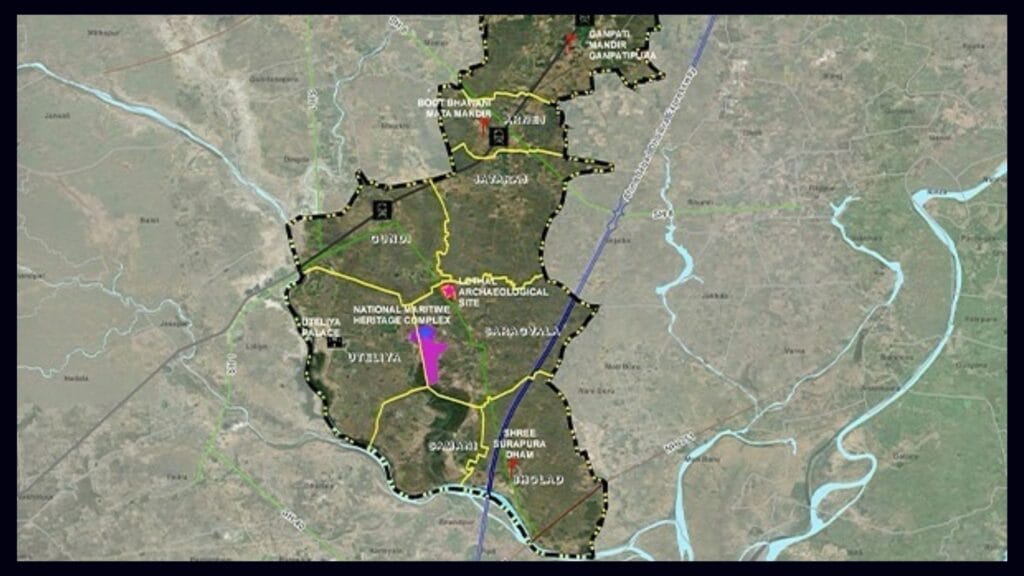
For decades, Lothal has never been in the limelight. Despite holding an important chapter of human history, it changed in 2022. The government announced a complete makeover of Lothal and its surrounding regions. The development plan works on two major fronts.
The first is the National Maritime Heritage Complex (NMHC), a flagship project developed by the Ministry of Ports, Shipping and Waterways. This project focuses on transforming Lothal itself.
Second is the development of the surrounding regions. This comes under LADA, a Gujarat government body. Its goal is balanced and sustainable regional growth.
What’s the Plan?
With that being said, the government planned the development in multiple stages with an investment of nearly ₹4,500 crore. Phase 1 has already been completed; Phase 1B and 2, is yet to be completed.
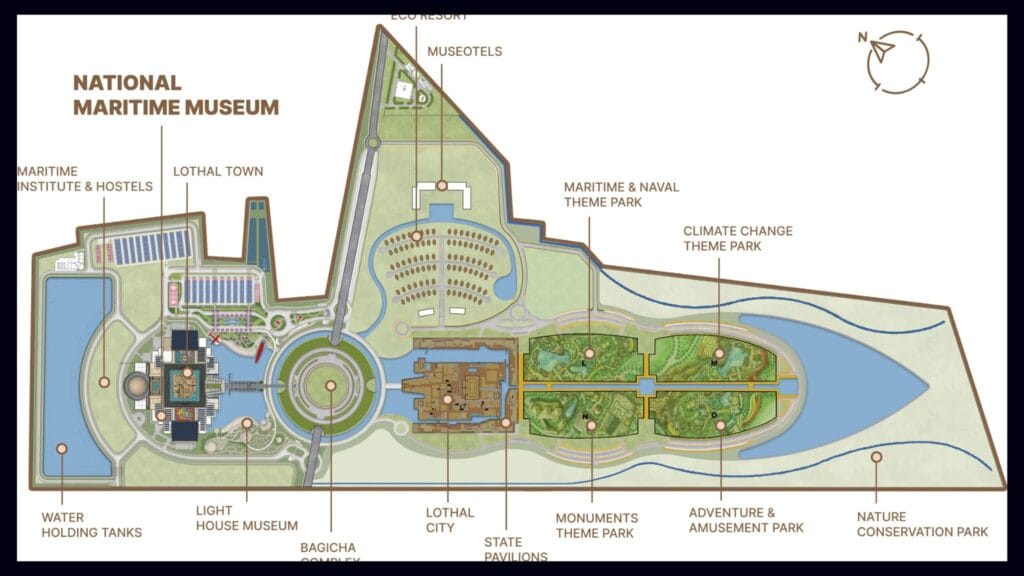
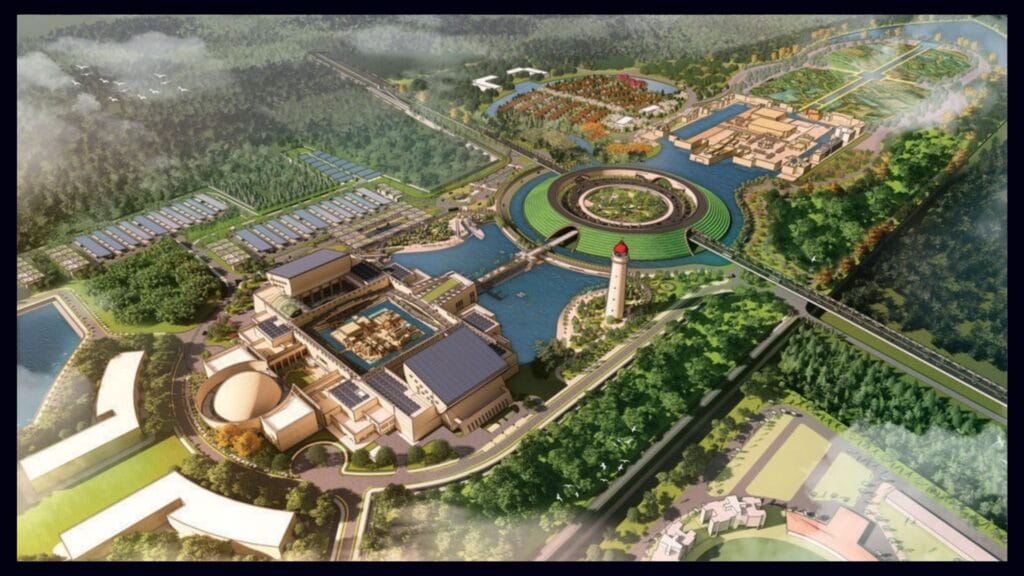
At the heart of the project is the National Maritime Heritage Complex. The plan includes
- 14 Galleries
- Lighthouse museum (expected to be the tallest at 77 metres)
- Bageecha complex
- Recreated Lothal town surrounded by an open aquatic gallery.
- Coastal state pavilions
- Four theme-based parks
- A nature conservation park will further enhance the experience.
Beyond the core site, LADA will develop nearly 196.88 sq. km across nearby villages like Saragvala, Samani, Gundi, Jawaraj, Koth, Bolad, and Arnej—ensuring the growth reaches the region, not just the monument.
What Lothal’s Development Translates Into for Business
There’s one rule in real estate and city development that never fails. Big infrastructure attracts money. Lothal follows the same pattern. This is not the first time Gujarat has seen such a massive step taken for development. We saw a similar shift during the development of the Statue of Unity.
So the real question is simple. How does this development turn into business?
- First comes tourism. A project of this scale will attract a massive number of private tourism operators. Tours and travel agencies, plus experience-based services, will find Lothal a high-demand destination.
- Local businesses stand to gain the most. Taxi services, homestays, and Airbnb properties will be in higher demand. It will also boost locally made handicrafts: traditional bead-making, micro-cylindrical beads made from steatite and gold-capped designs. With more people visiting, it gets a massive boost to cultural handicraft artistry. It can be recognised at a global level.
- Hospitality is another clear winner. Independent hotels, branded stays, and eventually five-star and seven-star properties will move closer to the region. As connectivity improves, large hospitality brands will not ignore this location.
- Real estate will also see a direct impact. Land prices in surrounding villages are likely to rise. For landowners, this becomes a long-term asset shift. Employment opportunities will increase, too. From tourist guides to support staff, multiple sectors will benefit.
- As per the government estimation, roughly 25,000 visitors visit daily. Add cultural events, exhibitions, film shoots, and destination celebrations, and the economic ripple becomes clear.
For locals, this development opens doors. If planned right, Lothal will be a strong, self-sustaining business ecosystem.
Growth potential compared with Statue of Unity
To understand Lothal’s growth potential, let’s compare it with the Statue of Unity.
Although both locations stand on different grounds, the growth pattern is comparable. Both were located away from major cities. Relied on strong government backing, resulting in large economic growth.
Before the Statue of Unity was built, Kevadia was a quiet riverside village. Agricultural land surrounded by forest. But everything changed after transformation.
Visitor numbers jumped from around 4.5 lakh in 2018 to over 20 lakh annually by 2023. Ticket sales alone generated ₹57 crore between November 2018 and September 2019. Within the first five years, total ticket revenue crossed ₹400 crore.
What makes this growth impressive is location. Kevadia is far from major cities, yet it delivers massive numbers consistently. That tells us one thing clearly.
If executed well, Lothal has the potential to deliver similar—or even greater—long-term impact.
Conclusion
Lothal’s transformation is more than a tourism upgrade. From an overlooked archaeological site to a planned tourism and business hub. The project is an opportunity for everyone who is seeking new ways to make money. A new hotel, homestay, tourism guide, real estate or just normal chai ki tapri, this development opens doors that never existed before.
If executed right, Lothal can become a long-term growth engine for the region.
For more such practical insights on development, business, and opportunities across Gujarat, keep exploring Gujpreneur.