
In the case of FMCG sector in Gujarat, there is more than awareness. It is directly related to packaging economics, pressure to comply, and competitiveness of the brand.
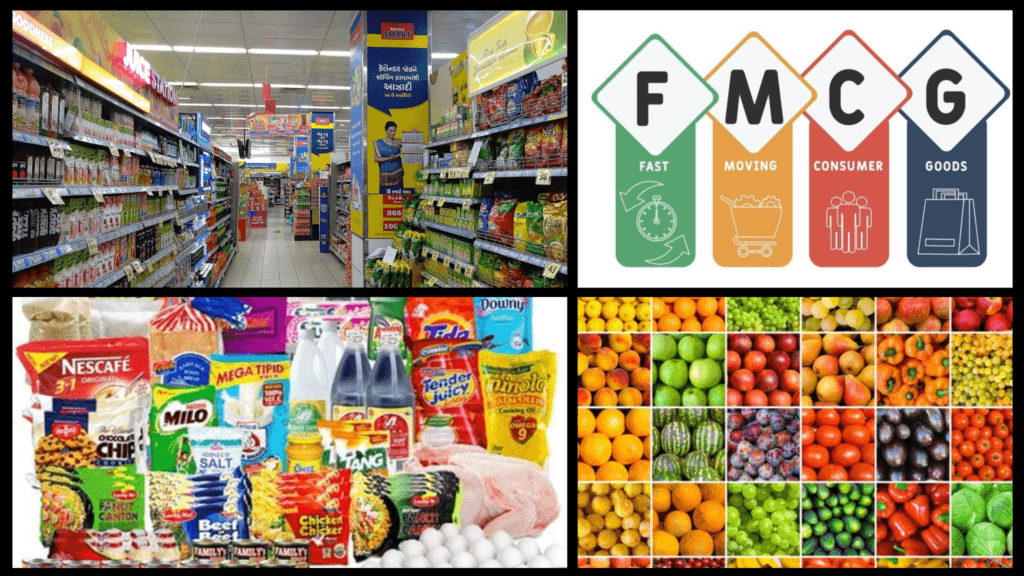
India still has a supply chain of FMCGs dominated by plastic packaging. It ensures product security, prolongs shelf life and minimizes logistics expenses. This dependence is however now being challenged by environmental pressure and policy reforms.
Sustainable packaging is not just a branding experiment, but it has become a reality of operation. The Gujarat suppliers of regional FMCG brands and packaging have a strategic decision to make. They will have to rethink the economics of packaging or they will face legal and consumer ire.
Innovation in products will not be the only rewarded aspect in the next decade. It will compensate material innovation.
Plastic Dependence Built the FMCG Scale
The FMCG sector of India has grown very fast in the last twenty years due to plastic packaging. It possessed light weight transportation, durability and low cost of production. Plastic pouches and multilayer laminates were particularly important as employed by small regional brands.
The manufacturing clusters of Gujarat at Ahmedabad, Rajkot and Surat developed robust supplier ecosystems that centered on these materials. The supply chain was composed of packaging converters, resin suppliers and printing companies. Nonetheless, the multilayer plastic poses a problem in recycling. A large number of formats are not easy to work with using traditional waste systems. Due to the increase in the volumes of urban wastes, nowadays regulators urge industries to reconsider the packaging materials.
FMCG industry is thus at the heart of the plastic transition debate in India.
Regulatory Pressure Is Reshaping Packaging Strategy
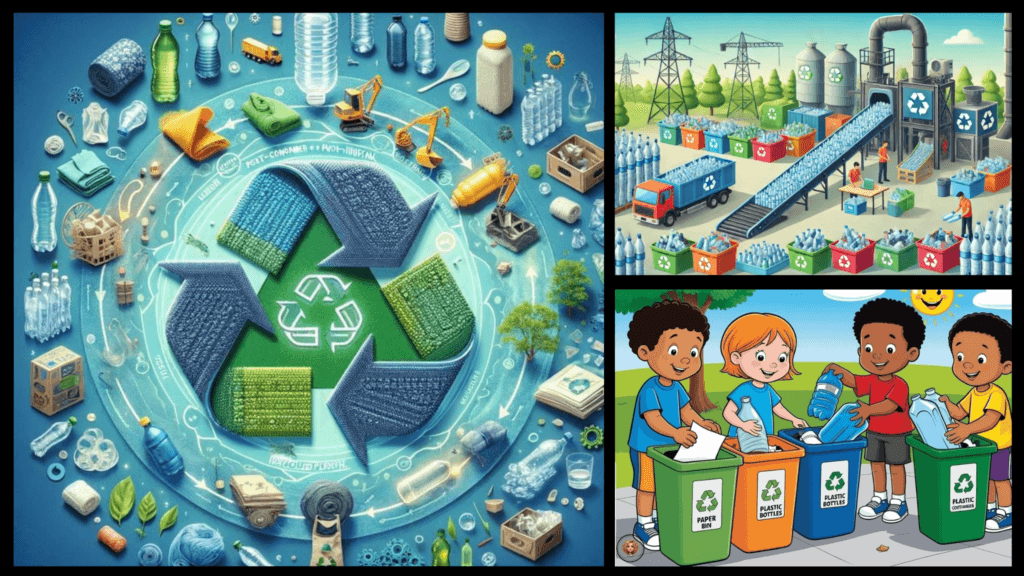
The direction towards sustainable packaging is being hastened now through government policies. The Plastic Waste Management Rules in India provided a more rigorous compliance by the manufacturers and brand owners.
Extended Producer Responsibility programs are programs mandating specified portions of their packaging waste to be collected or recycled by the companies. Such requirements increase compliance expenses of an organization relying on plastic-intensive formats.
Megafirm companies in the FMCG industry have already initiated the redesigning of packaging. The same direction must now be taken by the regional brands in order to compete in the retail channels. Sustainability disclosures are in growing demand by retail chains and export buyers. The decision of packaging has various effects on brand credibility, investor perception, and supplier contract. Regulatory adaptation is no longer a choice to the FMCG companies of Gujarat. It has been made a strategic need.
Paper and Fiber Packaging Are Rising Alternatives
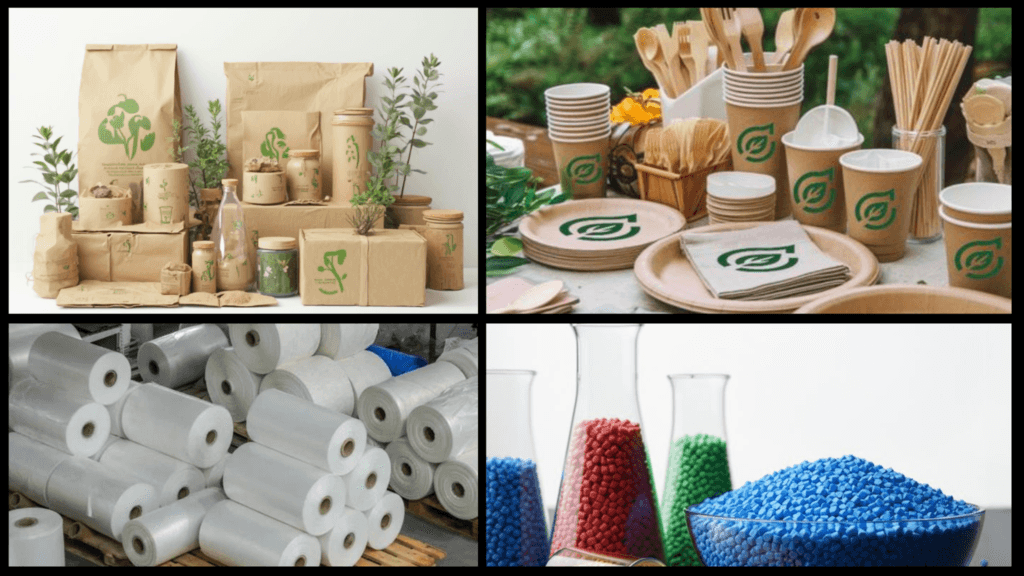
Paper packaging has been on a rise in various FMCGs. It has substituted a few plastic formats with corrugated boxes, molded fiber trays, and recyclable cartons. These options are in line with the sustainability objectives that were emphasized at the time of the International Day of Forests. A recycled fiber supply chain and responsible forestry. But there are also some cost and operational issues with paper packaging. It normally needs heavier constructions to suit plastic strength. The engineering innovation is also needed in moisture resistance and shelf-life protection.
Gujarat now has packaging suppliers type which invest in barrier coating and hybrid material. These solutions are a mixture of paper construction and recyclable protective layers. Sustainable packaging adoption can thus be successful due to innovation.
Cost Re-Engineering Will Define the Winners
Numerous FMCG founders believe that sustainable packaging will make costs irreversible. The reality is more complex. The early adoption is not typically a long-term adjustment in cost. Nevertheless, intelligent cost engineering usually generates efficiency in the long run.
The weight of transport can be lowered by using lightweight paper structures. The costs of compliance with EPR regulations might be reduced by recyclable formats. Companies that have plausible sustainability programs usually enjoy high shelf placement.
It is also found that consumers are becoming more rewarding of brands that are environmentally responsible according to studies done globally. Packaging hence becomes a component of pricing power.
Gujarat companies are already looking forward and designing packaging considering cost and sustainability. They also engage packaging as a strategic tool and not as a compliance taxation.
Packaging Suppliers Are Becoming Innovation Partners
The shift towards the sustainable materials will transform a packaging supply chain. The traditional converters have to develop further than manufacture. They have to provide material science, sustainability consultancy, and lifecycle analysis.
A number of packaging firms in Gujarat now cooperate with clients in the FMCG at the product designing stages. Before commercializing recyclable laminates, biodegradable films, and paper alternatives, they are tested.
This partnership eliminates the risks in operation and enhances packaging. It also enhances long term relations with suppliers.
Supplier relationships can speed up the transition to sustainability in the case of regional FMCG brands without huge internal investments in R&D.
Regional FMCG Brands Have a Unique Advantage
The previous system of packaging does not suit very huge multinational corporations. Brands of Gujarat region are more flexible. They can re-design the packaging format within a shorter time and test the new material. The markets also have the local distribution models, which facilitate timely feedback in the markets. When customers respond well to the application of sustainable packaging, the businesses can expand the innovation within a short span.
With such agility, an opportunity for this is available. The Gujarat regional brands of the FMCG can have sustainability as a competitive strategy. Then it could be a growth story rather than a compliance story to package transformation.
Sustainable Packaging Is a Margin Strategy
The following stage of FMCG competition will not be devoted to product ingredients or price only. It will concentrate on supply chain intelligence. Packaging is at the cross-over between the cost management, compliance with the regulations and positioning of the brand. Those companies that adopt sustainability at its inception will be able to manage their costs effectively and create a better brand equity.
During the International Day of Forests, the message is obvious. The future of FMCG packaging will be determined by the usage of sustainable materials. In the case of the business ecosystem in Gujarat, the transition process is already an established process. Whether the shift will occur or not is no longer a question. The issue at hand then is who is going to lead it.
Lead the Future of FMCG: Where Sustainable Packaging Meets Smarter Profit Strategy
Margins, compliance and brand leadership are being redefined in the FMCG ecosystem of Gujarat by sustainable packaging. Gujpreneur features valuable insights into material innovation, regulatory changes and the cost strategy as it utilizes to form manufacturing clusters in the region. Be ahead of the pack with smarter intelligence, proven industry analysis, and leadership views that will assist you in scaling in a responsible way.
Follow us for more !