Surat has traditionally been the driving force of the Indian textile industry. The city established an international image of quickness and magnitude, in synthetic fabrics, sarees, and more. It is a silent change that is taking place within its embroidery clusters now. The changing way Surat designs, produces and exports embroidered fabrics is being redesigned by technology. Business people are automating the manual operations, using data tools and online platforms. This shift is not cosmetic. It is strategic. With the world turning into a globalized faster and more customized fashion, the embroidery industry of Surat is evolving in order to survive and dominate.
From Hand Frames to High-Speed Machines
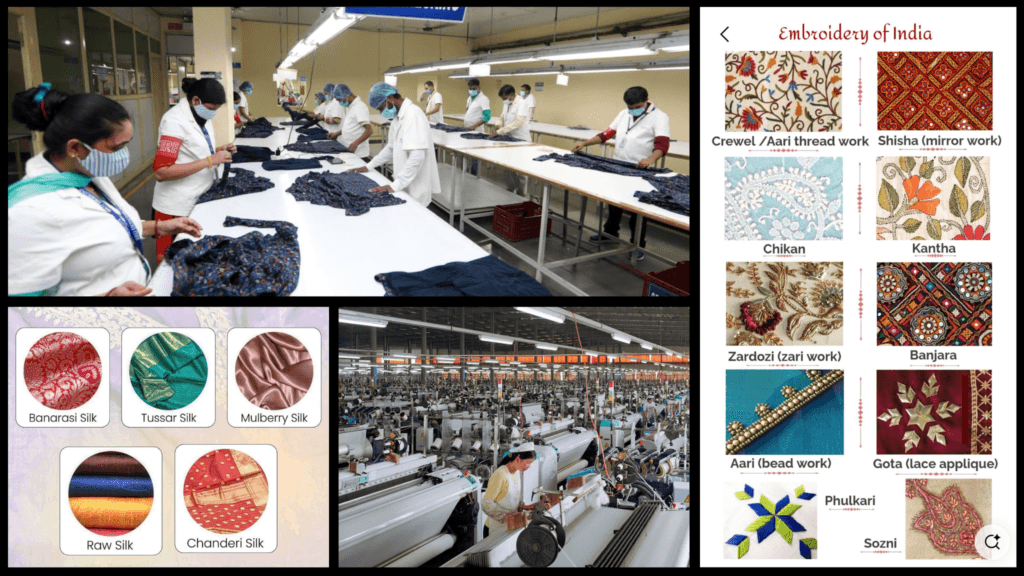
The embroidery business of Surat began with frames that were run by hand and artisans. The market was controlled by small family workshops. Designs were slow and production on manual accuracy. This time around, the industry is characterized by multi-head computerized embroidery machines. Even contemporary units can sew thousands of designs in one day. Production floors have been introduced to Japanese and German technologies. CAD-based embroidery software is now used to make a digital pattern by entrepreneurs. Designers send the files straight away to machines. This gets rid of delays when sampling and wastage. What used to be accomplished in weeks has been accomplished in days. The competitive advantage has been transformed into speed.
Digital Design Is Changing Creativity
In the past, the designs of embroidery had relied heavily on the traditional designs. Surat is currently being hit in real time by the world trends in fashion. State of the art software like Wilcom and Tajima is utilized in design studios. Textures and thread density as well as color combinations are simulated by designers before the production commences. This is a digital method that can be experimented quickly. One designer is able to come up with dozens of versions in hours. Buyers of imports like expedited approvals and precise previews. The embroidery business in Surat does not take time to predict trends anymore. It reacts instantly.
The Rise of Smart Factories
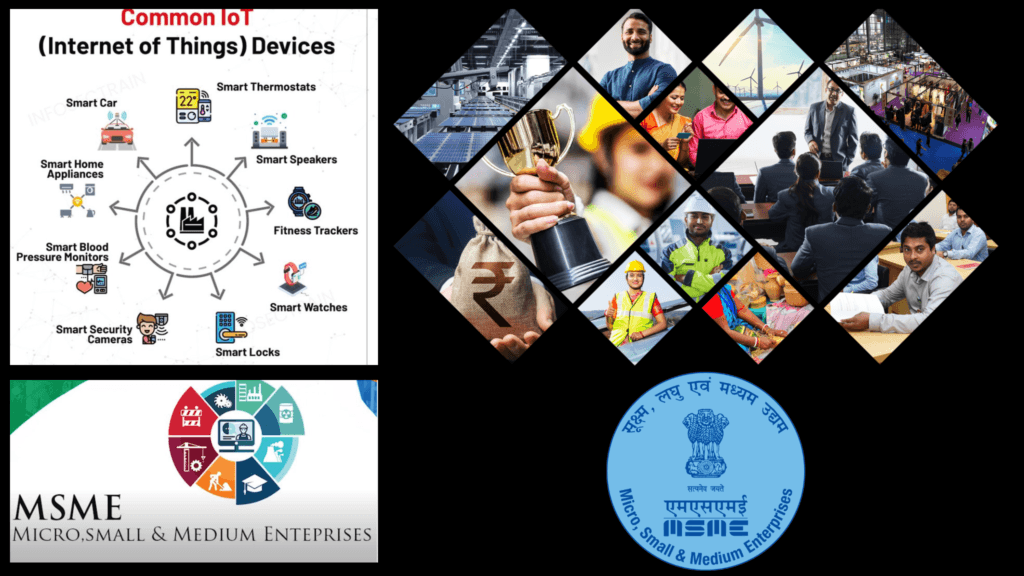
Most embroidery factories in Surat are mini smart factories. Owners combine machines with IoT capabilities to monitor performance and the usage of threads. Productivity is tracked using real-time dashboard. Entrepreneurs examine downtime and streamline machines allocation. Evidence-based choices lower the operational expenses. There has been also an increase in efficiency of power. The new machines use less power and offer a greater output. This is important in a city where thousands of embroidery machines are operating in a day. The outcome is the increased margins and scalability.
MSMEs Lead the Transformation
The embroidery ecosystem of Surat is mostly made up of MSMEs. Such businesses generate innovation with little capital. There is the adoption of technology promoted through government schemes and credit facilities. The textile businesspeople modernize equipment so that they will be export-oriented. Such clusters as Varachha and Katargam spend a lot of money on modernization. Supply chain is enhanced through collective growth. The suppliers of fabrics, thread dealers and dyeing units gain jointly. The MSMEs in Surat demonstrate that change does not need huge businesses. It requires vision.
Export Markets Demand Precision
Surat exports fabrics embroidered to the Middle East, Africa and the southeast. Consumers in the global market now want uniformity and personalization. Technology assists in fulfilling such expectations. So many patterns are stored in digital archiving. Repeat orders would be simple to carry out. The quality control systems pick defects immediately. This is increased with automated thread-cutting and tension control. Buyers will have trust in suppliers that provide consistent quality at volume. Surat has not been slowly taught this.
Sustainability Enters the Frame
There is growing scrutiny of the textile industry, in the areas of waste and pollution. The embroidery players of Surat are responding using efficiency solutions. Machines that are computerized minimize the damage of fabrics and thread wastes. The digital sampling slices physical prototypes. Certain departments use recycled threads and dyes that are environmental friendly. Embroidery upgrades are supplemented with water saving dyeing technologies. Some clusters are powered by solar installations, which reduce the cost of power. Profitability is now in line with Sustainability. This is a balance known to futuristic entrepreneurs.
E-Commerce and Direct-to-Brand Models
E-commerce has created new sources of revenues. There are numerous Surat manufacturers of embroidery who deal with boutique brands directly. Real-time catalogs are presented in Instagram and B2B platforms. Buyers are making small orders in batches without middlemen. WhatsApp business can be used to communicate fast and share samples with the help of entrepreneurs. Technology reduces the negotiation processes. This straight forward model enhances profit margins and long term relationships. The embroidery units in Surat are no longer functional in the conventional wholesale markets.
Skill Evolution in the Workforce
Workers have not been substituted by technology. It has upgraded them. Now software knowledge is needed by the machine operators. Designers do not study using manual sketching; they study the use of digital tools. Gujarat has training institutes that are offering textile CAD programs. Embroidery is considered by young professionals as a technology-driven profession, rather than a deteriorating trade. This change brings on board another generation in the textile industry. It guarantees continuity of modernization.
Collaboration with Gujarat’s Textile Ecosystem
Surat enjoys the greater textile supremacy of Gujarat. India is a key producer of man-made fibers as contributed by the state. There are industrial policies that promote the growth of exports and modernization. The infrastructure projects and textile parks increase efficiency in logistics. Surat also uses this advantage of the ecosystem in its embroidery industry. The turnaround time is minimized by having raw materials and transport hubs on quick access. The city is competitive with other textile centres in the world due to strategic positioning.
Challenges That Demand Strategy
Nevertheless, regardless of the progress, the challenges still exist. Capital costs are augmented by the imports of machinery. Fluctuations in currency affect the export margins. The threat of competition by China and Bangladesh increases the intensity of pricing. The fashion cycles are becoming shorter with every passing year. Entrepreneurs have to juggle between excellence and costs. The monotonous process of upgrading technology needs financial discipline. Wise investors will keep the growth going. Others risk stagnation.
The Road Ahead: AI, Automation, and Customization
The following generation will be machine-aided design proposals. Trending patterns will be predicted through predictive analytics. Embroidery will be combined with digital printing and fabric finishing with automation. Complete smart textile can become the norm soon. Surat has the advantage of being agile. The city is fast adjusting to change. Embroidery is no longer the art of craft. It symbolizes precision manufacturing, which is tech-driven.
Why This Reinvention Matters
Thousands of families are sponsored by Surat embroidery industry. It enhances the export of textiles in Gujarat. It drives grass-root entrepreneurship. Systemic stability ensues when custom fuses with technology. The example of this balance is Surat. The embroidery units in the city are not losing their heritage. They are upgrading it. By so doing, they will make sure that India textile capital is future ready.
Stay Ahead of Gujarat’s Business Revolution with Us
Watch Surat weaving innovation to custom. We are the first to track the Gujarat business development with Gujpreneur. Determine strong MSME stories, technology-based changes, and development policies, which are important. Join the community where the next industrial revolution is being created in Gujarat.