Do you know how much waste we create just by throwing away vegetable peels?
Sources claim that out of the total solid municipal waste that India produces, about 51% is organic waste. That waste includes kitchen scraps, peels, and leftovers.
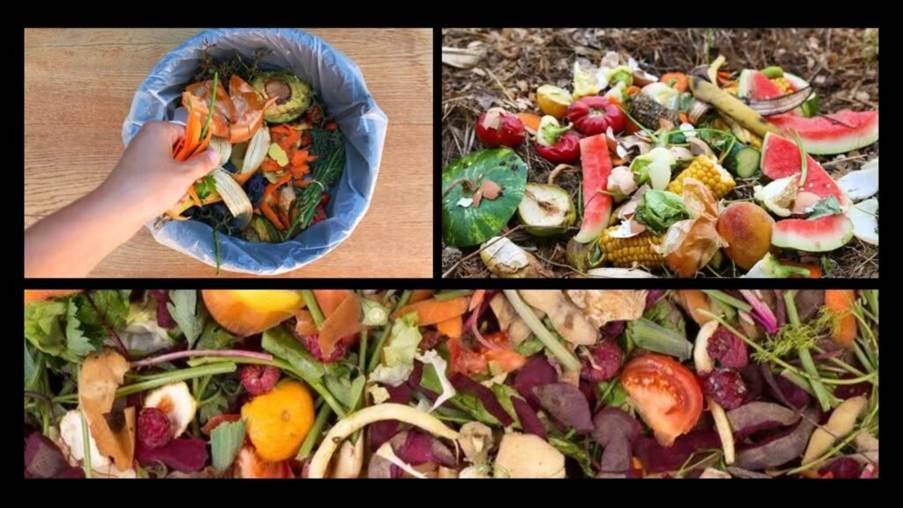
Now, the question arises: what to do with it? Is there a possible way to reduce it? If not entirely, how can we make the best of that waste?
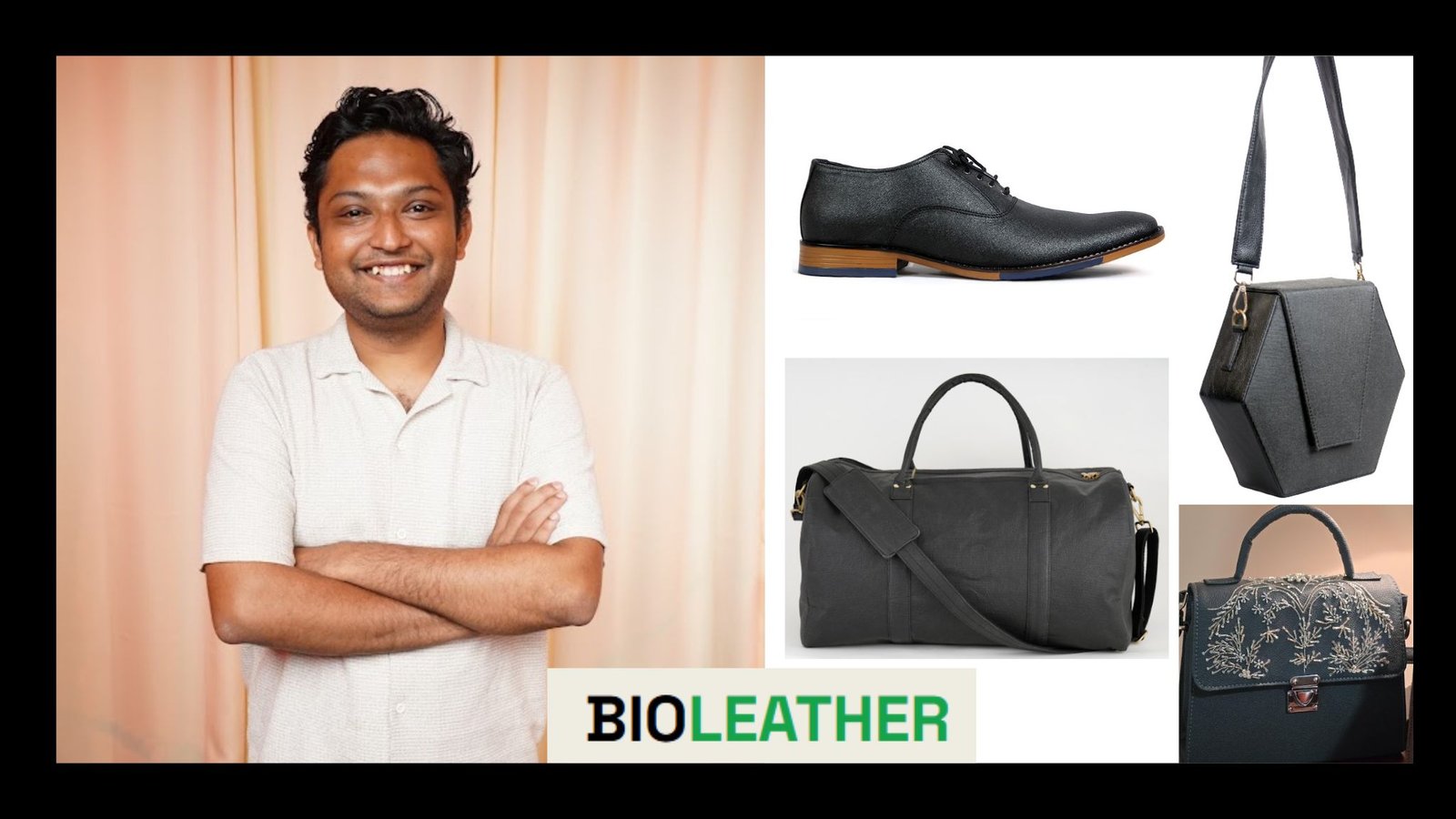
There enters Pritesh Mistry! Founder of BioLeather. For him, the opportunity came from discarded tomatoes. What he initiated as an experiment during his biotechnology studies gradually developed into an innovation venture. Not every business opportunity commences with a market gap. Some of those begin with something that society considers waste.
What if I told you: discarded tomatoes could become the next alternative to conventional leather?
Pritesh, a Gujarat-based entrepreneur, is exploring that possibility via material innovation and biotechnology. BioLeather is currently exploring an interesting intersection of agriculture, manufacturing, and biotechnology.
Can Agricultural waste become the foundation of a sustainable business?
The idea raised an interesting question for India’s manufacturing ecosystem, especially for Gujarat’s business ecosystem. To answer the question, BioLeather combines experimentation, science, and commercial determination. Most important of all, it presents a fascinating example of innovation in Gujarat.
When Waste Became an Opportunity
There were two observations that eventually connected and helped Pritesh’s entrepreneurial journey begin. In the due time of his biotechnology studies, he was exploring ways to generate value from agricultural waste. During his farm visits, he observed a recurring problem. Once harvested, Large quantities of agricultural produce lose their commercial value. How? Sometimes, failure of produce to meet market requirements. Other times, selling was commercially unattractive due to falling prices.
Meanwhile, his visit to a tannery made him gain a separate perspective. He witnessed challenges in working conditions and the environment associated with conventional leather processing. That sparked a question worth exploring.
Could agricultural residue or waste become the foundation for an alternative material?
A college teacher encouraged the idea, giving his experiment an initial direction. Pritesh also wanted to build something independently. These interests eventually brought together entrepreneurship with biotechnology. The college experiment slowly started taking the shape of BioLeather. However, creating an interesting laboratory sample was only the beginning. Considerable experimentation was required to turn that sample into a commercially viable material.
The team experimented with distinct proportions of fillers and binders. They needed a consistent manufacturing process and a repeatable formulation.
The desired material behaviour and finish required continuous refinement. That process eventually became an important part of BioLeather’s in-house know-how.
How Does a Tomato Become Leather?
Let’s understand the Science Behind an Unusual Material
Discarded tomato skins and seeds were the company’s first focus for innovation. Tomatoes contain pectin, which helps with the flexibility and material strength.
BioLeather procured tomato waste from processing units, farmers, and mandis. Procurement depended on prevailing agricultural market prices and availability. During the price fall, direct farmer procurement became more suitable and practical. Another reliable sourcing channel was processing units. Before becoming powder, the collected material undergoes drying or dehydration. This powder forms the foundation for the manufacturing process. It was a combined mix of biopolymers, natural fibres, and plant-based binders. The mixture then undergoes processing and curing to develop its leather-like structure.
The resulting material is applied onto a cotton fabric backing. Then it undergoes texturing and finishing for its intended application.
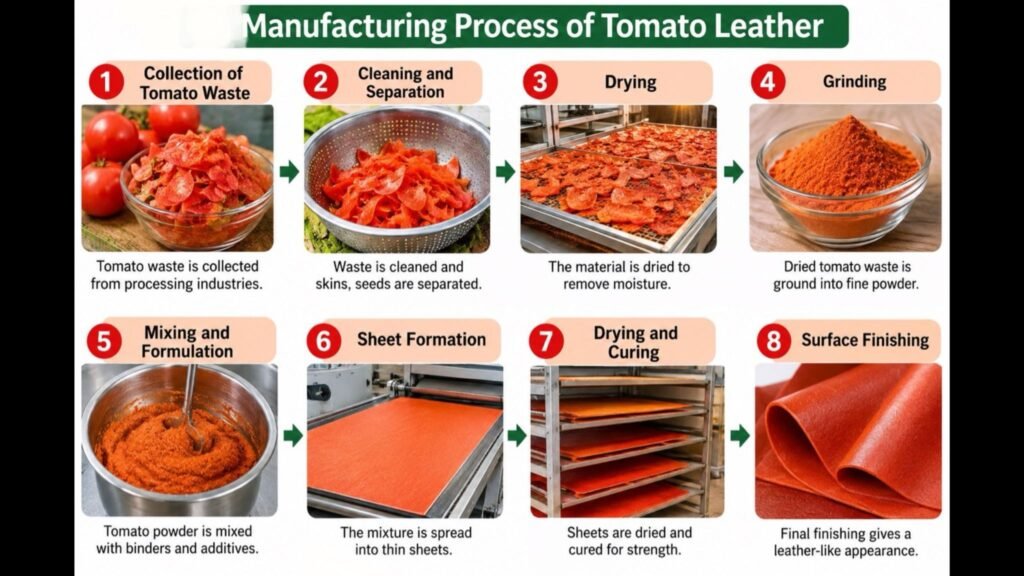
“The current formulation contains approximately 50% cotton. Another 30% by weight is contributed by tomato-derived material. The remaining 20% comprises bio-based binders and fillers. Our company sidesteps conventional polyurethane (PU) and polyvinyl chloride (PVC). The material also uses plant-based finishing approaches and natural dyes. The material avoids plastic-based construction, which is unlike conventional synthetic leather. Our company is positioned as a Vegan alternative.” – Pritesh Mistry, founder, BioLeather.
Beyond the Laboratory: Building a Manufacturing Business
To develop an interesting material was the first of many challenges. Consistent formulations and repeatable manufacturing procedures were required for commercialisation. The biggest technical challenge Pritesh identifies was binder and filler formulation. Achieving the desired texture and finish required recurrent experimentation. With its manufacturing setup being based in Surat, Gujarat, the company sources its machinery within India. Because Local alternatives didn’t meet the required specifications consistently, certain specialized bio-based binders and fillers remain imported.
This highlights an important scope for sustainable business development and material innovation in India. It showcases the requirement of a reliable domestic supply chain.
According to public reporting, BioLeather produces approximately 5,000 metres monthly. Its Surat facility has scope for scaling production as demand increases. The company also faces an important pricing challenge. Its production cost is below that of conventional animal leather. What remains inexpensive is standard PVC-based substitutes, though. Cost efficiency can still be improved by scaling production and improving domestic sourcing. For any sustainable business, commercial viability remains necessary.
What Recognition Led to Market Applications?
BioLeather won PETA’s Vegan Fashion Award in 2021 for the Best Innovation in Textile. It extends across fashion and lifestyle products. It includes handbags, jackets, footwear, and other fashion accessories. One of the many notable collaborations encompasses Toronto-based handbag label Satuhati. The brand began by developing BioLeather samples in May 2024. Within just three months, they moved towards saleable handbag production. Encouraging customer responses were testified by founder Natasha Mangwani.
Another potential market is Upholstery and automotive interiors. Different industries demand different material performance standards. Durability, flexibility, water resistance, and ageing require application-specific testing. BioLeather avoids claiming identical performance across every leather grade. The company evaluates these properties during product development.
The Question of Sustainability!
The entire lifecycle needs to be considered for any sustainable material. Its disposal conditions, composition, and everything else need equal consideration.
Pritesh states: “Our Tomato Leather is biodegradable and PVC-free. Biodegradation can occur within two years, keeping in mind the landfill conditions.” “Company’s broader approach is to reduce dependency on conventional synthetic materials and to encourage agricultural waste consumption”, he added
To validate such environmental claims, independent testing remains important. The increasing urge of modern manufacturers to explore alternative material technologies connects BioLeather to a growing sustainable fashion business opportunity.
What’s Next after Tomatoes?
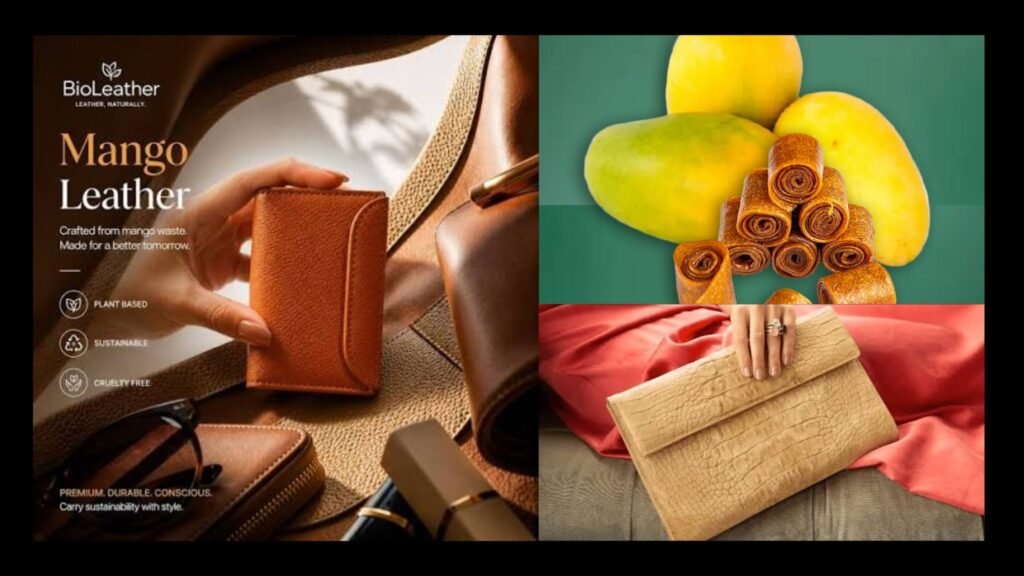
Pritesh’s ambitions are not limited to one agricultural resource. He is also reconnoitring mango-based waste for another material source. Microbial and nanocellulose sources innovation are also in the pipeline. Such technologies could create an entirely different range of material possibilities. The Company’s official site signals its ambition to be beyond a single-product business.
Over the next 5 years, expansion of the products and company is important. They want to broaden the consistency of manufacturing capabilities and applications. Entrepreneurship in Gujarat gets direction through such innovative ideas and business possibilities. It also highlights India’s emerging biomaterials industry and opportunities around it.
Gujarat’s strength? More Opportunities for Gujarat?
The kind of established manufacturing ecosystem and agricultural resources. These strengths can encourage emerging sustainable business models. However, there is a stronger need for supporting infrastructure for biomaterials. Technical expertise, testing facilities, and local suppliers are essential. Investment in research can strengthen material innovation. For accelerating commercial adoption, collaboration between innovators and manufacturers plays a vital role.
BioLeather’s journey offers a thought-provoking example of innovation in Gujarat. It joins manufacturing, agricultural resources, and biotechnology. It most importantly demonstrates a different way of approaching entrepreneurship. One must know that sometimes, the next business opportunity can also lie within overlooked resources. Today, BioLeather is using the opportunity that began with agricultural waste by building a broader material innovation business.
The real question no longer remains about waste becoming valuable. It has shifted to whether such innovations can scale and compete commercially or not. Sustainable business and innovation in Gujarat meet here.
And you know where your reading needs are met. Keep reading Gujpreneur for more such innovative entrepreneurial stories.